25/50-meter Swimming Pool Financial Model
Description
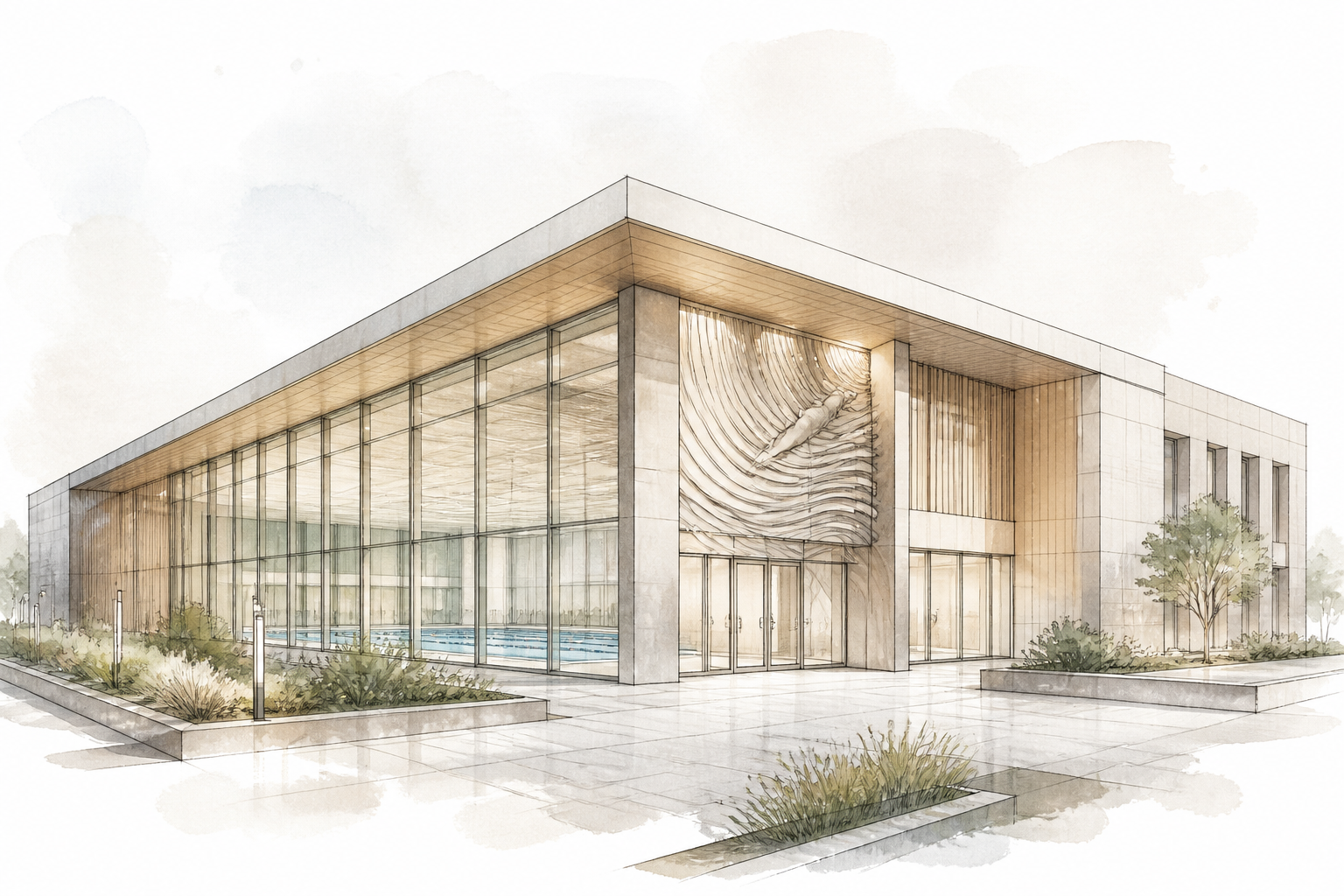
This financial model is designed for the planning and operation of a purpose-built 25‑meter or 50‑meter swimming pool facility. A built‑in length toggle instantly adjusts construction estimates, pool volume, lane configuration, and utility loads, so you can evaluate both community and competition‑grade pools within a single workbook.
Revenue is modeled at the lane‑session level, with capacity constraints for peak and off‑peak hours, lane rental pricing tiers, and separate blocks for swim school courses, aqua aerobics, day passes and annual memberships. The swim school module captures instructor‑to‑student ratios, class progression and facility utilization across multiple terms.
On the cost side, heating, ventilation and filtration energy are linked directly to pool surface area and water volume, with selectable heating technologies (gas boiler, heat pump, district heating). Chemical consumption, lifeguard staffing, regular maintenance contracts and equipment replacement reserves are all broken out. Capital expenditure covers land, construction, MEP systems, and startup expenses, with phased draws and interest during construction if financing is used.
Modeling specifics
- Dual-length toggle (25 m / 50 m) that automatically recalculates pool dimensions, water volume, lane count, and corresponding capital and operating cost drivers.
- Lane-session revenue engine with configurable peak/off-peak pricing, occupancy limits, and daily timetable constraints — avoids overbooking and shows real utilization rates.
- Swim school P&L with class schedules per proficiency level, instructor:student ratios, and term‑based enrollment forecasting, integrated with lane availability.
- Energy model that calculates heat loss through evaporation and ventilation using pool surface area, water temperature, and ambient climate data, comparing heating system efficiency.
- Phased construction draw schedule with capitalised interest, pre‑opening payroll and marketing spend, and a dedicated start‑up period before regular operations commence.
- Separate indoor/outdoor mode with seasonality curves affecting attendance, energy consumption, and chemical dosing.
What's included in the base version
- Capital expenditure plan (land, construction, pool shell, MEP, equipment)
- Revenue schedule (lane rentals, swim school, memberships, day passes, other)
- Operating expense model (staffing, chemicals, energy, maintenance, insurance)
- Debt and equity financing with loan amortisation
- Full financial statements (monthly P&L, cash flow, balance sheet)
- Investment metrics (IRR, NPV, payback, DSCR)
- Break-even analysis (monthly visitors)
- Sensitivity tables (key drivers vs. IRR/NPV)
Common modeling mistakes
- Using a flat percentage of revenue for pool heating and chemicals – underestimates costs by 30‑50% in cold months, because energy and chemical demand scale with bather load and meteorological conditions, not revenue.
- Assuming uniform lane occupancy across all hours – overestimates total rental income by 15‑25%, as off‑peak sessions rarely sell out while peak slots are capacity‑constrained.
- Ignoring the lag between new swim school enrollment and instructor hiring – causes unrealistic cash flow, with revenue booked before the wage cost appears, inflating margins by 10‑15%.