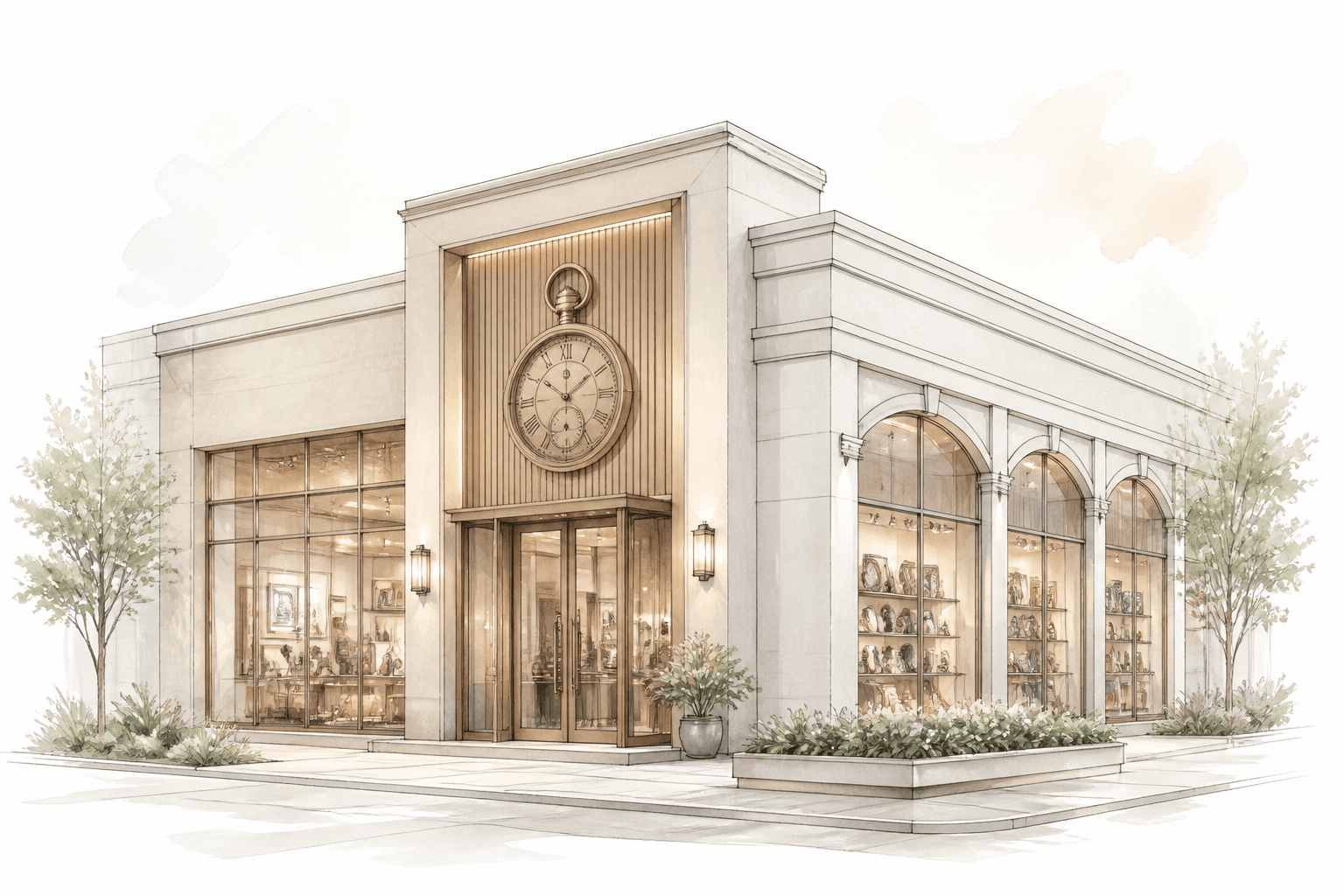
Antique Store Financial Model
Description
The antique store business model revolves around sourcing and curating rare, high-value items through a blend of channels: auction purchases, estate acquisitions, private collector deals, and consignment agreements. Unlike standard retail, each piece requires authentication (by independent appraisers or in-house experts) and often restoration to achieve saleable condition, making cost of goods sold highly variable. The revenue stream is a mix of outright sales of owned inventory and commission on consigned items, where the store acts as an agent and does not own the asset until sold. Cash flow is lumpy due to irregular buying opportunities and the time lag between acquisition and sale. The model captures these dynamics to reflect the true working capital intensity.
We built the model around a multi-category inventory system where each category (furniture, decorative arts, jewelry, fine art, etc.) carries its own margin profile, authentication cost structure, and sales velocity. Consignment liabilities are tracked separately so that payouts only trigger after final sale, and settlement terms (e.g., net 30 days) are integrated into the cash flow waterfall. The model also incorporates seasonal demand curves to right-size inventory buildup ahead of peak periods and a markdown engine that reduces prices as items age beyond target holding periods. While the model illustrates the typical order of magnitude for initial investment (mid six figures to low seven figures), the actual figures depend on individual project inputs.
Modeling specifics
- Consignment inventory module separates owned stock from consigned items, recording a sale only as commission revenue while triggering a payout liability with configurable settlement delay, preserving cash flow accuracy.
- Authentication cost engine applies a per-item fee or percentage of purchase price that varies by sourcing channel (auction house buyer’s premium, external appraiser, in-house expert) and item category, directly affecting gross margin.
- Restoration labor and materials are treated as a direct cost, with a dedicated workshop P&L line that can be scaled with in-house craftsmen hours and material consumption rates based on item condition grades.
- Aging-based markdown schedules per category (using days in inventory tiers) automatically reduce the carrying value of unsold items, impacting both margin and balance sheet valuation, and flagging potential dead stock.
- Monthly seasonal indices drive foot traffic and sales conversion, modulating demand across 12 months and forcing the model to build inventory ahead of peak antique fair or holiday seasons, revealing cash build-ups.
- Multi-channel revenue logic splits sales into gallery, online, and fair/event channels, each with its own commission structure, shipping/packing cost, and payment processing fees, mirroring the hybrid retail reality.
- Detailed cash flow waterfall handles irregular auction settlement cycles, consignment payout dates, and security deposit requirements for fair participation, preventing cash shortfalls from timing mismatches.
What's included in the base version
- Revenue model with category-level volumes, average selling prices, and channel mix (gallery, online, fairs).
- Inventory acquisition schedule by source (auction, direct purchase, consignment) with separate accounting for owned and consigned items.
- Cost of goods sold matrix including purchase price, auction premiums, authentication fees, and direct restoration costs.
- Staffing plan with role-based headcount, salaries, and payroll taxes.
- Operating expense schedule covering rent, utilities, insurance, marketing, professional fees, and other overheads.
- Capital expenditure plan for initial fit-out, display fixtures, security system, and periodic replacement.
- Financing structure: equity injection, debt draw schedule, interest, and principal repayments.
- Integrated financial statements: monthly profit & loss, balance sheet, and cash flow statement over a 5-year horizon.
- Key performance dashboard displaying inventory turnover per category, consignment sell-through rate, gross margin by channel, and cash conversion cycle.
- Tax calculation module with loss carryforward and estimated tax payments.
Common modeling mistakes
- Ignoring consignment liability and assuming all sales are from owned inventory — overstates working capital requirements by 15–25% and understates cash outflows when consignors must be paid, producing a misleadingly strong cash position.
- Applying a flat gross margin across all categories without accounting for authentication and restoration costs — inflates projected gross profit by 10–20 percentage points, especially for categories with high restoration needs.
- Neglecting the markdown effect on aged inventory — overstates revenue and ending inventory value by 15–30% in later years, causing an underestimation of liquidity risk and an overly optimistic return profile.