Chroma Key (Green Screen) Studio Financial Model
Description
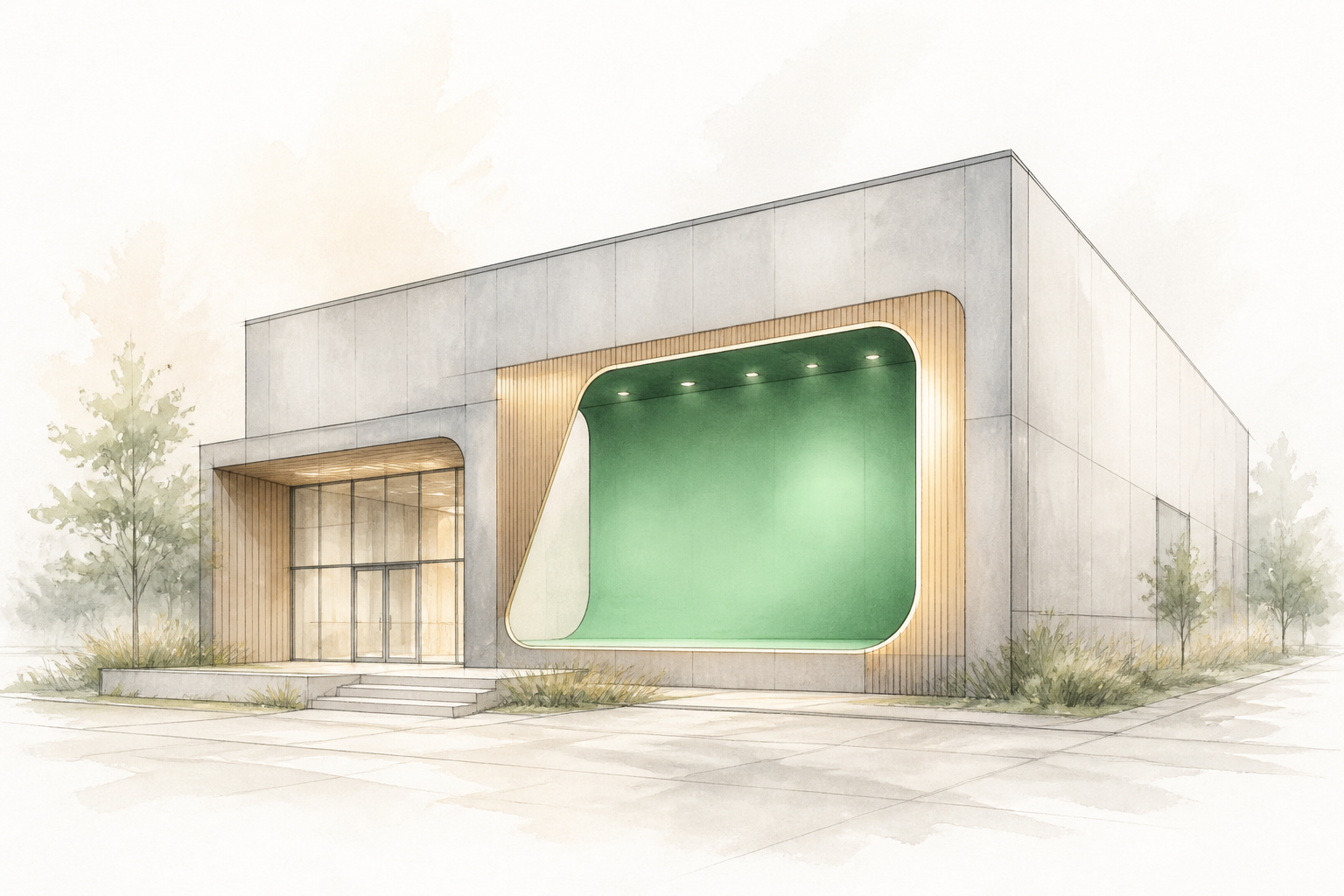
This financial model is tailored for a Chroma Key studio that operates one or more cyclorama stages with professional lighting and camera packages. It covers the full lifecycle from build-out and equipment procurement to daily operations, capturing the interplay between studio utilization, pricing strategies, and asset maintenance.
Unlike generic rental models, this version accurately separates owned equipment from leased assets, applies distinct depreciation schedules for cycloramas (long-life) and rapidly depreciating digital cinema cameras, and incorporates the recurring cost of cyclorama resurfacing every couple of years. It also supports multiple revenue channels: dry-hire, full-service rental with technician, equipment-only add-ons, and post-production services.
Built for entrepreneurs and CFOs, the model emphasizes scheduling granularity—booking by the hour, half-day, or full-day with weekday/weekend and peak/off-peak multipliers—and translates occupancy into realistic revenue without falling into the trap of assumed 100% fill. All statements are integrated and drive a dashboard that highlights breakeven studio hours, fleet utilization, and cash runway.
Modeling specifics
- Multi-studio booking logic with separate calendars for up to three stages (small cyclorama, large infinity cove, and white limbo) and rule-based conflict prevention.
- Equipment leasing module that allows mixing purchased and leased items, with lease terms, security deposits, and buyout options, accurately spreading cash flows.
- Cyclorama maintenance reserve: a capex line for periodic resurfacing that capitalizes and depreciates separately from the initial construction, avoiding understated future costs.
- Session-based pricing matrix including dry hire vs. full service, half-day vs. full-day, and tiered equipment bundles, with automatic calculation of direct labor and consumables per session.
- Dual depreciation engine: separate asset classes (cyclorama 15–20 yr, cameras 3–5 yr, lighting 7–10 yr, grip 10 yr, etc.) with appropriate depreciation methods, reflecting real-world replacement cycles.
- Variable staffing model: technician pools that scale with booked sessions (freelance/per-session) plus fixed administrative staff, with the ability to set minimum call hours and overtime triggers.
What's included in the base version
- Booking calendar with configurable studio sizes, hourly/half-day/full-day rates, and peak/off-peak multipliers.
- Equipment capex and leasing manager with schedule of owned assets and lease obligations.
- Cyclorama construction and periodic resurfacing capex with independent depreciation.
- Direct cost calculator per session (consumables, freelance technician pay, equipment consumables).
- Fixed operating expense plan (rent, utilities, insurance, software, marketing, general admin).
- Staffing module: salaried management/admin and per-session technicians with flexible scheduling.
- Capital structure: equity injection and senior debt with drawdowns during construction, repayment profile, and interest capitalization.
- Integrated financial statements (monthly P&L, cash flow, balance sheet) and dashboard with KPIs: utilization %, breakeven hours, EBITDA, net cash flow, payback.
Common modeling mistakes
- Assuming 100% studio occupancy without buffers for set-up, tear-down, and client delays — inflates revenue by 15–25% and overstates studio utilization by 20–30 percentage points.
- Overlooking cyclorama resurfacing every 1–2 years — understates maintenance capex by 40–60% and distorts long-term cash flow projections.
- Mixing dry-hire and full-service revenue without distinguishing direct costs — misstates contribution margin by 5–15 percentage points, leading to incorrect pricing decisions.
- Treating all equipment as purchased rather than leasing cameras that depreciate quickly — overstates upfront capex by up to 50% and lengthens the payback period artificially.
- Applying flat monthly demand ignoring seasonality — underestimates working capital requirements by 10–20% during low season and can cause cash shortfalls.