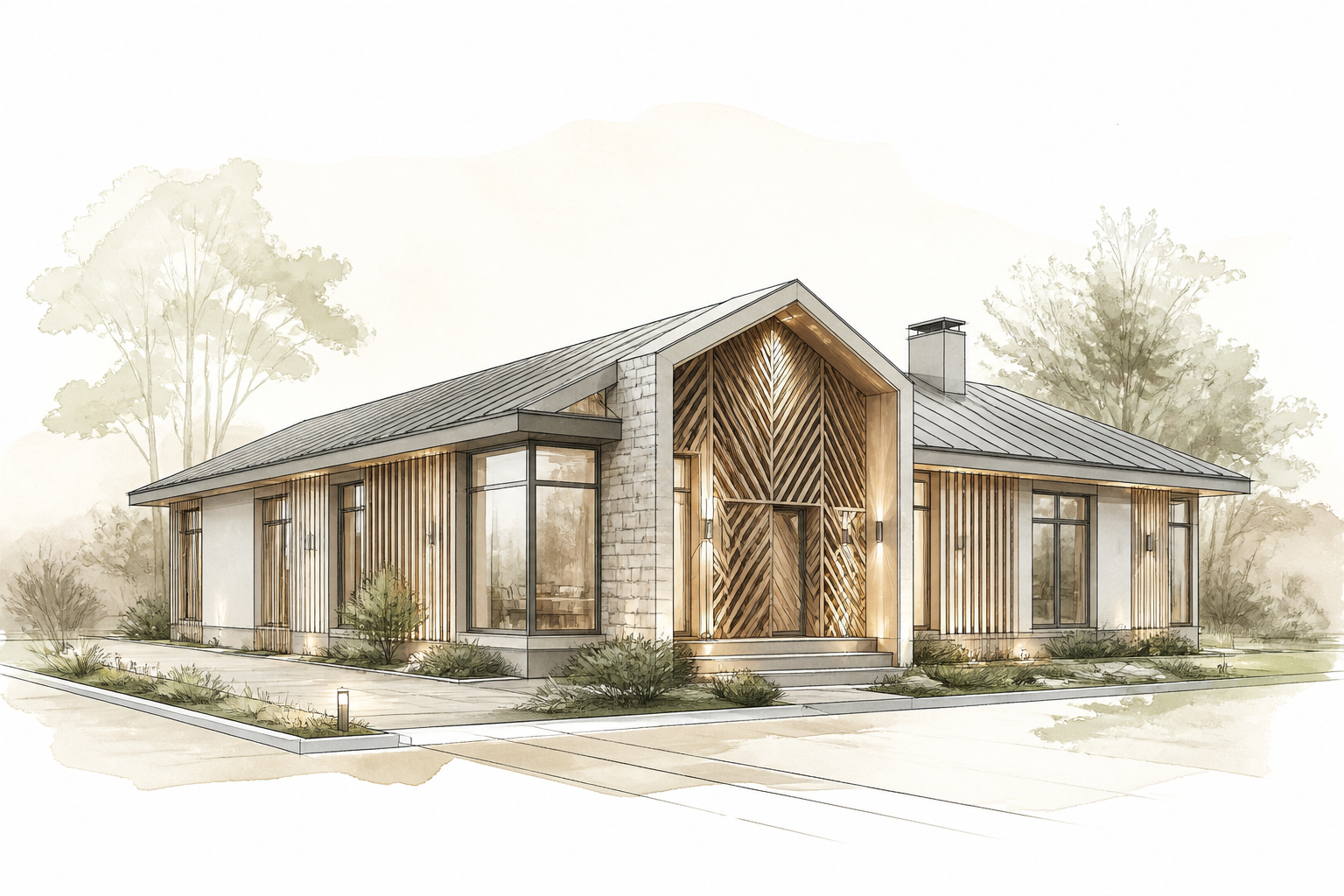
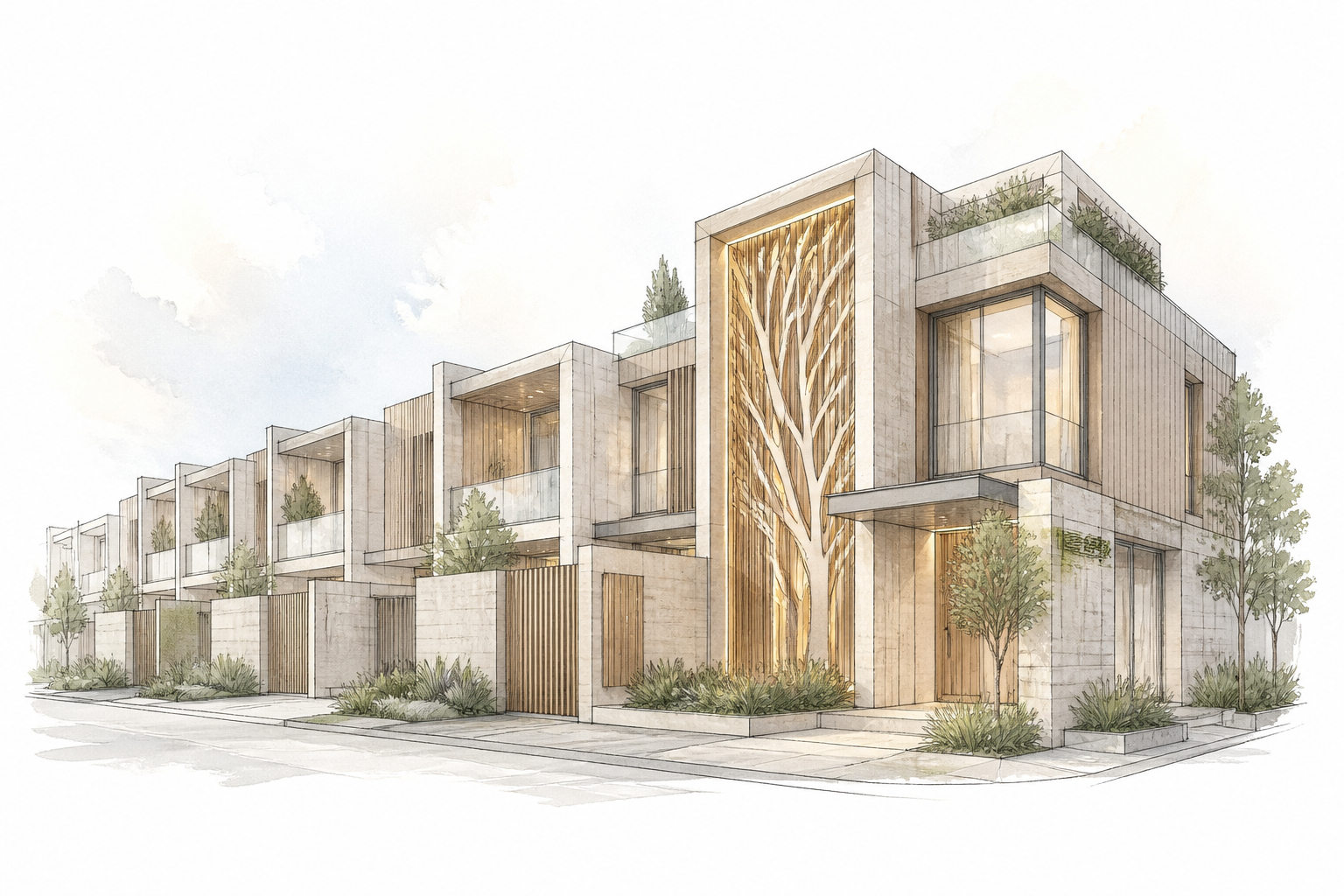
Cottage Village Development (Turnkey Homes) Financial Model
Description
This financial model is built for the development of a cottage village with fully finished turnkey homes, capturing the entire lifecycle from raw land acquisition through to the final unit sale. The structure reflects a typical phased rollout, where infrastructure and construction are delivered in stages aligned with market absorption, requiring careful coordination of capital outlays and revenue inflows over a multi-year horizon.
The model integrates land loans, construction financing, and equity contributions, mirroring real-world capital stacks where lenders release funds against construction milestones and pre-sales thresholds. Infrastructure costs—roads, utilities, stormwater, and common amenities—are allocated to individual lots based on phasing, ensuring accurate per-unit margins and cost recovery analysis.
Special attention is given to turnkey delivery obligations: contractor retention sums, defect-liability provisions, and landscaping/hardscaping budgets are modeled as distinct cost lines with their own release schedules. Municipal charges, parkland dedications, and utility connection fees are parameterized, so the user can adjust for local authority requirements without rebuilding logic.
The total investment for such projects typically runs into the tens of millions of dollars, though the model serves primarily to illustrate structural dynamics, cost allocation, and cash flow timing. Sensitivity to sales pace, construction cost inflation, and house price escalation is built in, allowing the developer to stress-test returns and equity requirements under multiple market scenarios.
Modeling specifics
- Phase‑dependent infrastructure cost triggers: roads, utilities, and amenities are activated by phase, not a single upfront assumption, avoiding a common cash‑flow front‑loading error.
- Lot‑specific land loan partial release: as individual lots are sold, a portion of the land loan is repaid, correctly reducing interest expense for the remaining inventory.
- Turnkey contractor retention and defect‑liability reserve: a retained percentage of each construction contract is released only after the handover period, protecting cash outflows in the final project year.
- Dynamic sales absorption builder: monthly sales rates can vary by season, with ramp‑up and taper functions, directly feeding into construction start‑triggers and inventory turnover.
- Municipal impact fee and community contribution module: charges are calculated per unit or per square meter, with separate timing schedules that match municipal invoicing, not sales closing.
- Detailed home construction cost cards: each cottage type (e.g., 2‑bed, 3‑bed) has its own base cost, upgrade package costs, and shell‑finish split, enabling margin analysis by product.
- Investor cash‑flow waterfall: distributes free cash between equity partners and mezzanine lenders based on user‑defined hurdles and promote tiers, reflecting real joint‑venture economics.
What's included in the base version
- Executive dashboard with project KPIs (IRR, NPV, MOIC, equity multiple, payback period)
- Assumptions & timeline sheet (development phases, sales launch, construction duration, weather windows)
- Land acquisition & carrying cost module (purchase price, stamp duty, holding costs)
- Infrastructure cost schedule (earthworks, roads, utilities, landscaping, contingency) with phase allocation
- Building construction budget per home type (base construction, optional upgrades, soft costs)
- Sales & marketing budget (broker commissions, advertising, staging costs)
- Financing structure (land loan, construction facility, equity injection, interest capitalisation)
- Monthly cash flow statement (project SPV level, from inception to final distribution)
- Profit & loss statement (project‑level, aggregated by phase and year)
- Balance sheet (SPV assets, liabilities, equity accounts)
- Property tax, GST/VAT, and corporate income tax computations
- Investor return summary and sensitivity tables (tornado chart on key assumptions)
Common modeling mistakes
- Modeling infrastructure spend as a single upfront cost rather than phase‑triggered – early cash needs are understated by 30–50%, leading to a two‑year shorter projected payback.
- Using a flat monthly sales rate with no seasonality or absorption curve – IRR is overstated by 5–8 percentage points and cumulative equity draw is underestimated by 15–20%.
- Excluding contractor retention and defect‑liability holdbacks from construction payments – final‑phase working capital shortfall emerges equal to 2–5% of total hard costs.
- Ignoring land loan partial release clauses tied to lot sales – financing costs are inflated, reducing project‑level IRR by 0.5–1.0 percentage points without any operational benefit.
- Pooling all common amenities into a single overhead line without per‑lot allocation – lot‑level profitability is distorted by 10–20%, causing mispricing of premium vs standard cottages.