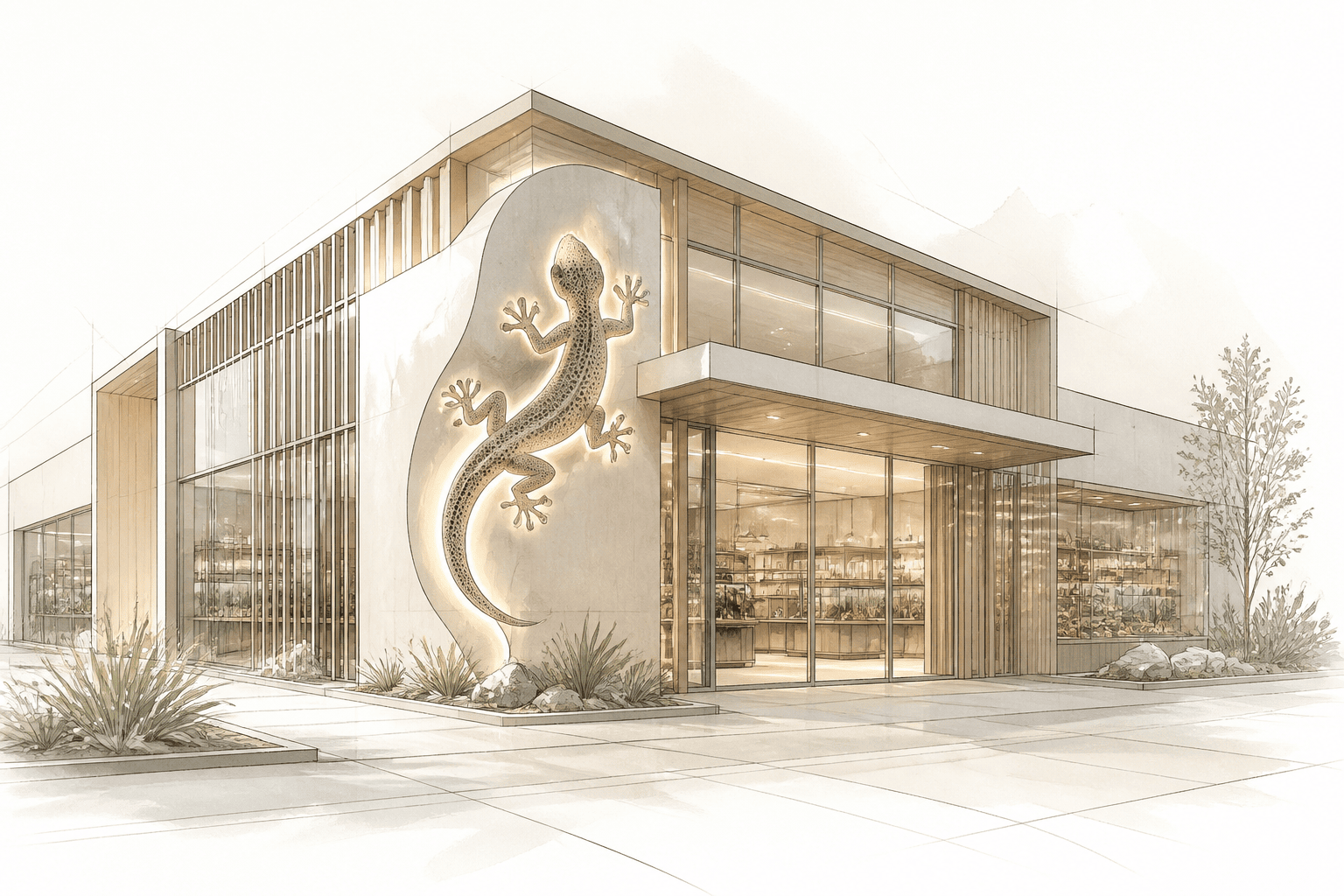
Exotic Animal and Reptile Supply Store Financial Model
Description
The model reconstructs the full economics of a specialty retail store focused on exotic animals (reptiles, amphibians, arachnids, small mammals, etc.) and their husbandry supplies. It spans brick‑and‑mortar sales, e‑commerce, and wholesale supply to other pet shops or breeders, mirroring the seasonal, trend‑sensitive herpetoculture market.
A dual‑inventory logic handles live animals and dry goods simultaneously. Each live specimen carries a species‑specific mortality expectation, quarantine hold period, and CITES/USDA permitting implications, while the dry‑goods assortment (substrates, lighting, heating, live insects) follows distinct shelf‑life, reorder points, and supplier terms.
Operational expenses are modeled with granular precision: electricity for heating, UVB and ambient enclosures; humidity control; specialist animal‑care labor; and compliance overhead (recordkeeping, vet checks, facility inspections). Stocking strategies can be tailored for holiday peaks and reptile expos, while the investment‑range layout (see Size section) validates strategic fit without disclosing private data.
Modeling specifics
- Species‑level inventory with mortality curves: differential loss rates for delicate species (chameleons, dart frogs) vs. hardy ones (ball pythons, bearded dragons) directly affect holding cost, sellable yield, and gross margin per SKU.
- Dynamic CITES/USDA compliance cost engine: the addition of protected species automatically layers permit fees, documentation costs, and inspection reserve, scaling with inventory mix.
- Live‑feeder spoilage modeling: crickets, mealworms, and frozen rodents degrade on unique timelines, with waste factors that link ordering quantities, reorder frequency, and actual COGS.
- Energy‑cost calculator driven by enclosure specifications: wattage and photoperiod per vivarium category are scaled by monthly climate data (heating/cooling degree‑days) to project electricity expense, avoiding flat assumptions.
- Multi‑channel revenue streams: separate demand models for store, e‑commerce, reptile expo pop‑ups, and wholesale, each with its own customer acquisition cost, conversion funnel, and peak seasonality.
- Seasonal sales curves with monthly indices for both animals (gift‑buying spikes, expo months) and dry supplies (heating surge in fall, substrate buying in spring), preventing flat‑line revenue projections.
What's included in the base version
- Revenue model by product line (live animals, dry goods, live food, miscellaneous)
- Cost of goods sold with species‑specific mortality and live‑food spoilage
- Personnel plan (store manager, animal care technicians, sales associates)
- Operating expense schedule (rent, utilities — electricity/water, marketing, compliance, insurance, maintenance)
- Capital expenditure plan (enclosures, rack systems, store build‑out, terrariums, IT)
- Debt & equity financing with flexible drawdowns and repayments
- Tax and depreciation model
- Integrated monthly financial statements (P&L, cash flow, balance sheet)
- Key investment metrics (IRR, NPV, payback, MOIC, break‑even)
- Interactive scenario manager (live/dry sales mix, staffing levers, mortality rates)
Common modeling mistakes
- Applying a uniform mortality rate to all species — overestimates gross margin on fragile species by 10–25% and understates holding losses.
- Ignoring live‑feeder spoilage — inflates live‑food segment gross profit by 20–30% and leads to over‑ordering.
- Using a flat annual electricity cost — can understate utility expenses by 30–50% in locations with high heating/cooling degree‑days.
- Omitting CITES and import permit fees — leaves a recurring 2–5% of total OpEx unaccounted for, compromising profit forecasts.
- Assuming equal monthly sales — masks pre‑holiday inventory build‑up and post‑holiday slowdown, overestimating cash coverage by 1–2 months.
- Failing to model quarantine‑period mortality — overstates the sellable stock after acquisition by 10–15% and delays cash conversion.