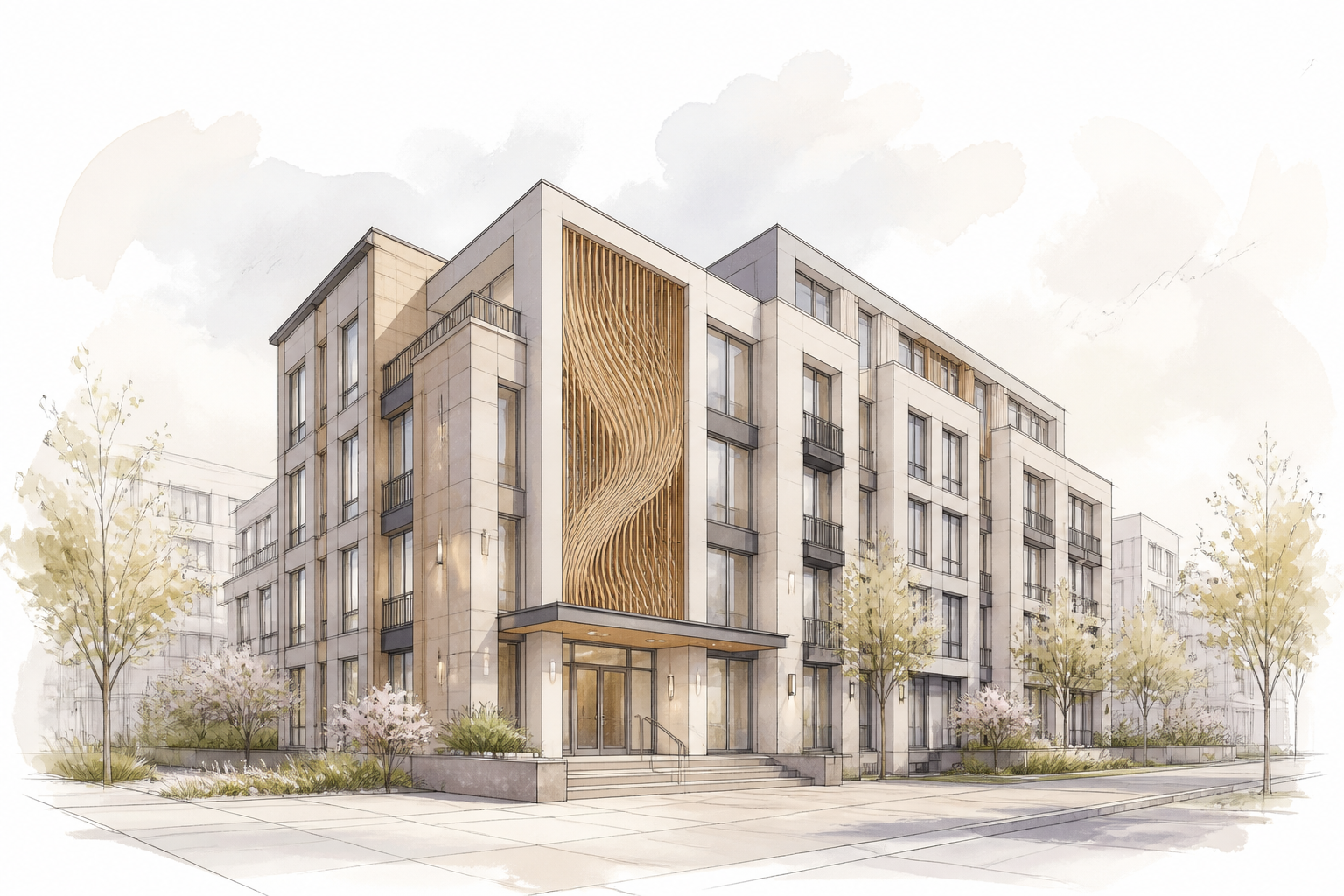
Infill Residential Development Financial Model
Description
Infill residential development presents unique complexity compared to greenfield projects—existing infrastructure, zoning, community engagement, and site constraints demand a financial model that reflects real-world phasing and risk. This model is built to capture the full lifecycle from land acquisition through entitlements, construction, lease-up or sell-out, and stabilization.
It incorporates detailed assumptions for hard and soft costs, including demolition, environmental remediation, utility hookups, and municipal fees that are often overlooked in generic templates. The model dynamically links construction draws with a multi-tranche financing structure, calculates carry costs during pre-construction and sales periods, and accounts for absorption that reflects infill market velocities.
Revenue modeling allows for mixed-use configurations, unit type mix, and pricing premiums tied to location and transit access. The output includes detailed monthly cash flows, partnership waterfalls, and sensitivity tables to stress-test assumptions such as construction delays, cost overruns, and changes in exit cap rates.
Modeling specifics
- Entitlement timeline scheduling with probabilistic milestone dates, cost accruals, and conditional logic for rezoning or variance approvals.
- Land residual valuation module that back-solves the maximum supportable land bid based on target unlevered yield and return on cost.
- Dynamic absorption curves by unit type and price tier, incorporating infill-specific sales velocity and seasonal adjustments.
- Construction loan draw calculator with interest reserve modeling, retainage tracking, and multi-tranche commitment sizing.
- Infrastructure cost allocation matrix that separates on-site, off-site, tapping fees, and utility upgrade contributions with municipal reimbursement logic.
- Sensitivity analysis for FAR changes, density bonuses, and community benefits agreement costs linked to project pro forma.
- Compressed cash flow waterfall with monthly granularity during construction and sales, moving to quarterly during stabilization.
What's included in the base version
- Executive dashboard with project KPIs and return metrics.
- Assumptions library for unit mix, pricing, hard/soft costs, and timeline.
- Construction budget and draw schedule with retainage.
- Financing module (senior debt, mezzanine, equity).
- Sales/lease-up revenue model with absorption and pricing assumptions.
- Monthly pro forma cash flow projection (levered and unlevered).
- Project-level and investor-level return analysis (yield on cost, multiple on equity, MOIC).
- Scenario manager (base, downside, upside) with key driver toggles.
Common modeling mistakes
- Underestimating pre-construction soft costs and entitlement fees — understates development budget by 10–18% and shortens pre-construction period by 12–18 months, leading to liquidity gaps.
- Using a straight-line sales absorption without infill velocity adjustments — overestimates first-year unit closings by 30–50% and understates inventory carrying costs.
- Ignoring construction loan interest during the sell-out phase — understates total financing cost by 15–25%.
- Omitting inclusionary zoning requirements or community mitigation costs — understates total hard and soft costs by 8–15%.
- Treating land purchase as a single upfront cash outlay without modeling earn-outs or option periods — mismatches cash outflow timing, increasing peak equity requirement by 20–30%.