Large Forging Plant Financial Model
Description
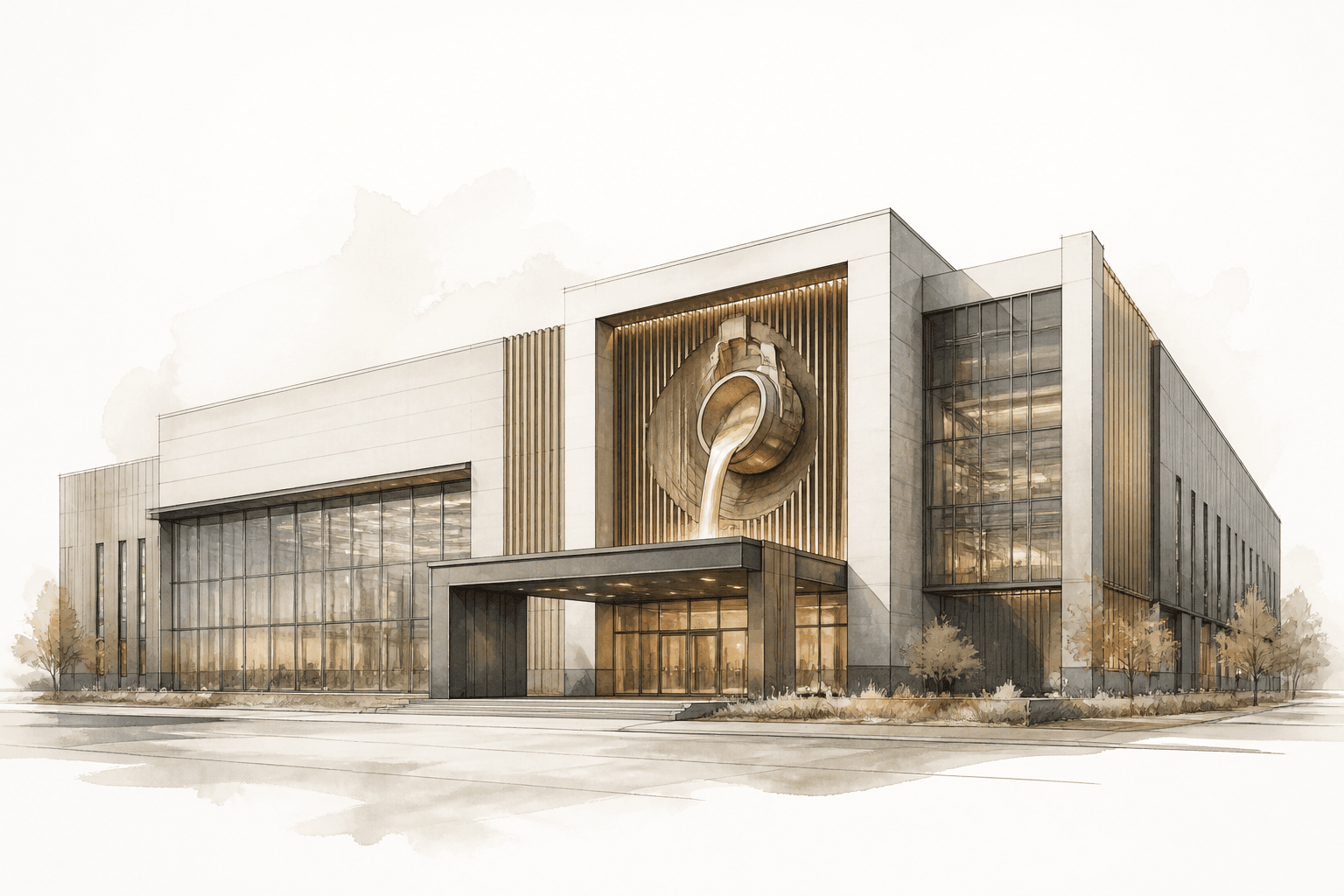
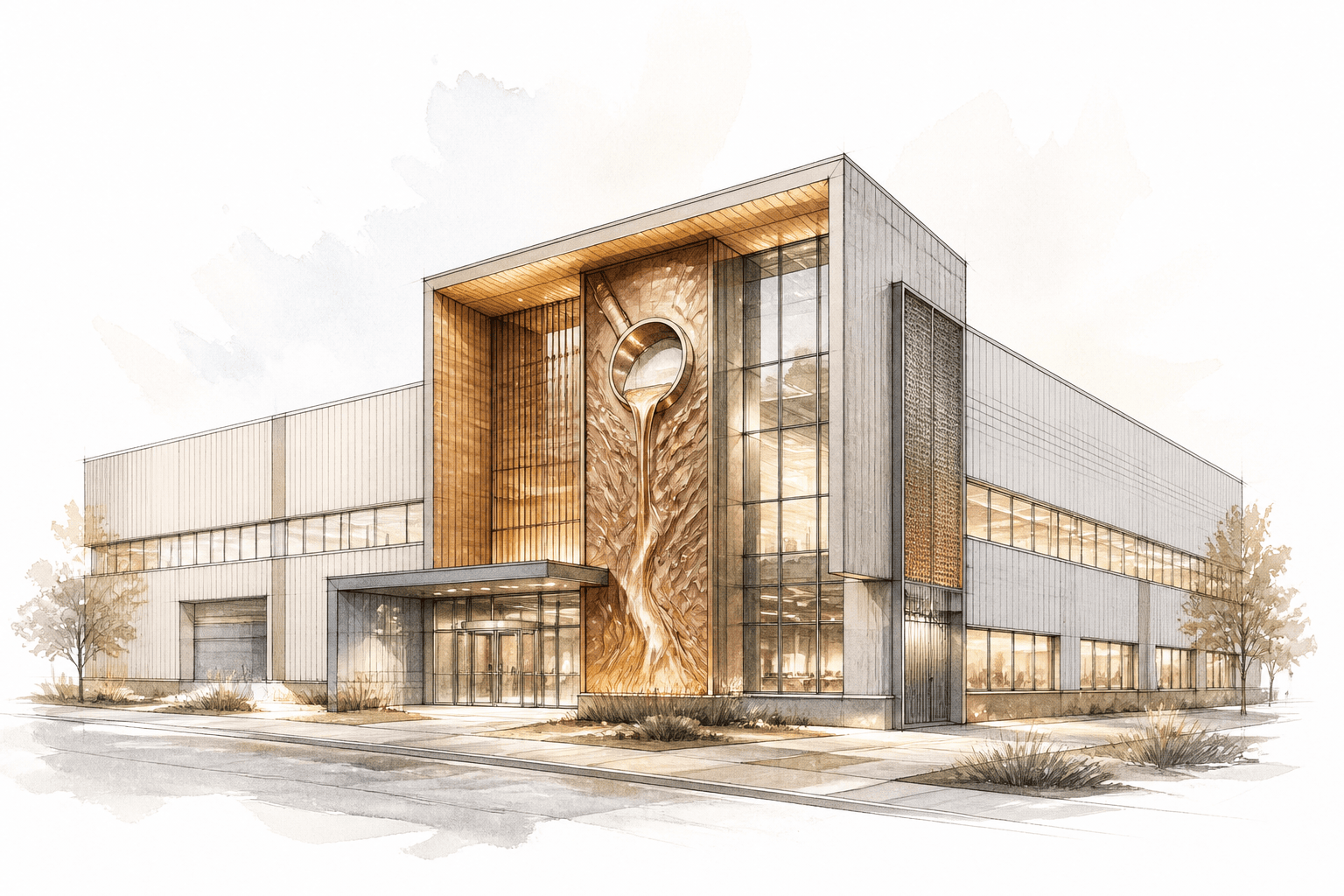
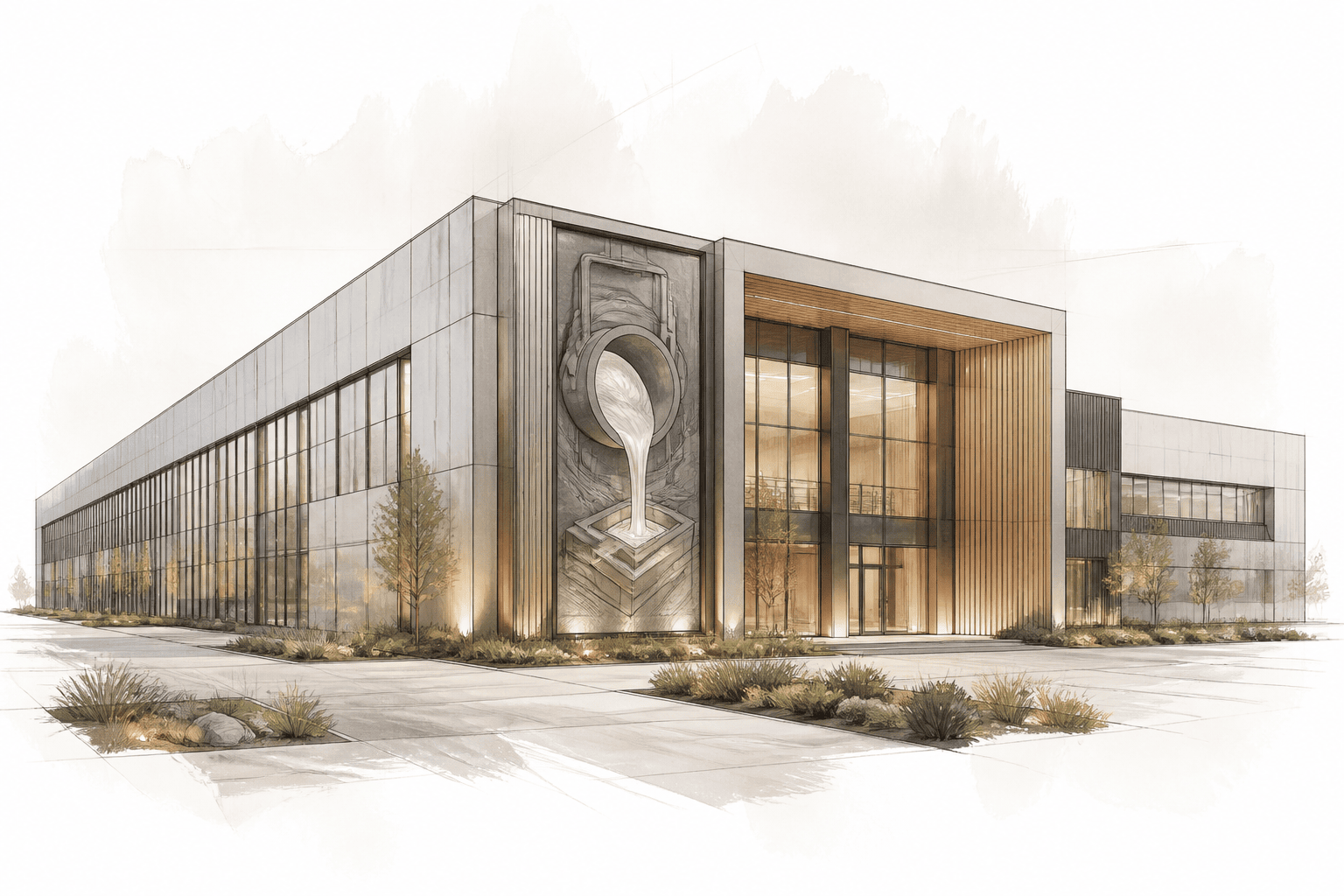
This financial model covers a large-scale forging facility producing heavy forged components — shafts, rings, discs, and blocks for energy, marine, aerospace, and heavy machinery. It handles an extensive product mix, each with distinct metallurgical specs, press requirements, and heat treatment recipes. The model captures the capital-intensive nature of the plant, where a significant upfront investment in a hydraulic forging press, manipulators, furnaces, and overhead cranes drives the cost structure and long-term return.
Production flow is modelled in detail: from billet cutting and reheating in walking-beam or batch furnaces, to multi-stage forging on a large hydraulic press (including upsetting, piercing, and mandrel work), trimming, and then heat treatment — normalizing, quenching, tempering — across multiple furnaces. Scrap is generated at each stage, with differentiated rates depending on the operation and alloy, and recovered through sale of revert metal. The model schedules production based on part-specific cycle times, number of blows, and furnace capacity, ensuring realistic press utilization.
Energy costs are a major factor: electricity for the press drives, induction heating, and furnace fans, plus natural gas for reheat and heat treatment. The model breaks down energy consumption by unit operation, applies time-of-use tariffs where relevant, and accounts for demand charges and idle losses. Maintenance is modeled progressively, with scheduled downtime for die changes, regrinding, and major overhauls of the press and furnaces, avoiding simplistic constant-cost assumptions.
On the financial side, the model covers the entire project lifecycle: equity and debt drawdown, capital expenditure phasing for buildings, machinery, and site infrastructure, working capital tied to long-lead-time alloy billets and work-in-progress, and revenue recognition linked to milestone deliveries. It provides a clear view of cash flows, profitability, and key investment metrics, helping operators and investors understand the real economics of a heavy forging business.
Modeling specifics
- Detailed forging press productivity based on part weight, number of blows, and stroke cycle, with adjustments for different product groups (shafts vs. rings) and individual press limitations.
- Scrap rates differentiated by operation (upset, pierce, trim) and by alloy type, influencing both material cost per good ton and scrap resale value.
- Energy consumption modeled with load-dependent profiles for electric drives, base-load furnace gas, and peak/off-peak tariffs, including fixed demand charges and idle heat losses.
- Heat treatment recipes linked to metallurgical requirements, with furnace scheduling, multiple batch furnaces, and constraints on soak times and cooling rates.
- Die and tooling cost amortization based on expected production runs and regrinding intervals, with a separate module for reorder triggers and average die life by product.
- Maintenance costs structured in tiers: routine preventive, scheduled semi-annual, and major overhaul CAPEX events every 10–15 years for the press and furnaces, each with its own cash flow impact.
- Raw material inventory policy incorporating safety stock for imported alloy grades, lead time variability, and consignment stock options for high-volume billets.
- Ramp-up learning curve for new product introductions, lowering initial yield and increasing scrap, with gradual improvement to steady-state levels.
What's included in the base version
- Capital expenditure schedule: land, civil works, forging press, reheating and heat treatment furnaces, cranes, testing equipment, and utilities
- Production plan by product group (shafts, rings, discs, blocks) in tonnes and number of pieces, driven by press cycle times and available hours
- Revenue forecast: forged products sales by alloy and customer category, plus scrap metal sales with market-linked prices
- Direct costs detail: alloy-specific billet costs, direct labour, energy (electricity and natural gas), consumables (dies, lubricants, refractories)
- Operating expenses: indirect labour, plant maintenance, quality assurance, logistics, and administrative overhead
- Depreciation and tax module with flexible straight-line/accelerated schedules and tax assumptions (adaptable to jurisdiction)
- Debt and equity financing with drawdown schedule, interest during construction, and principal repayment
- Integrated financial statements (P&L, cash flow, balance sheet), investment KPIs (IRR, NPV, payback), and break-even analysis
Common modeling mistakes
- Modeling press throughput as maximum rated capacity without downtime for die changes and setups — overestimates annual output by 15–25%
- Using a single scrap rate for all product types — distorts raw material cost by 10–20% and undervalues scrap revenue
- Treating electricity cost as purely variable based on per-ton consumption — misses fixed demand charges that can add 5–10% to energy expense
- Spreading die cost evenly over time without linking to actual run lengths — misrepresents cash outflows and delays payback recognition
- Ignoring the need for periodic major press overhauls (every 10–15 years) — leads to sudden cash gaps and underestimates capital reserve
- Assuming immediate full yield on new product launches — overstates revenue and understates scrap by 10–15% during ramp-up