Mobile MRI Unit Financial Model
Description
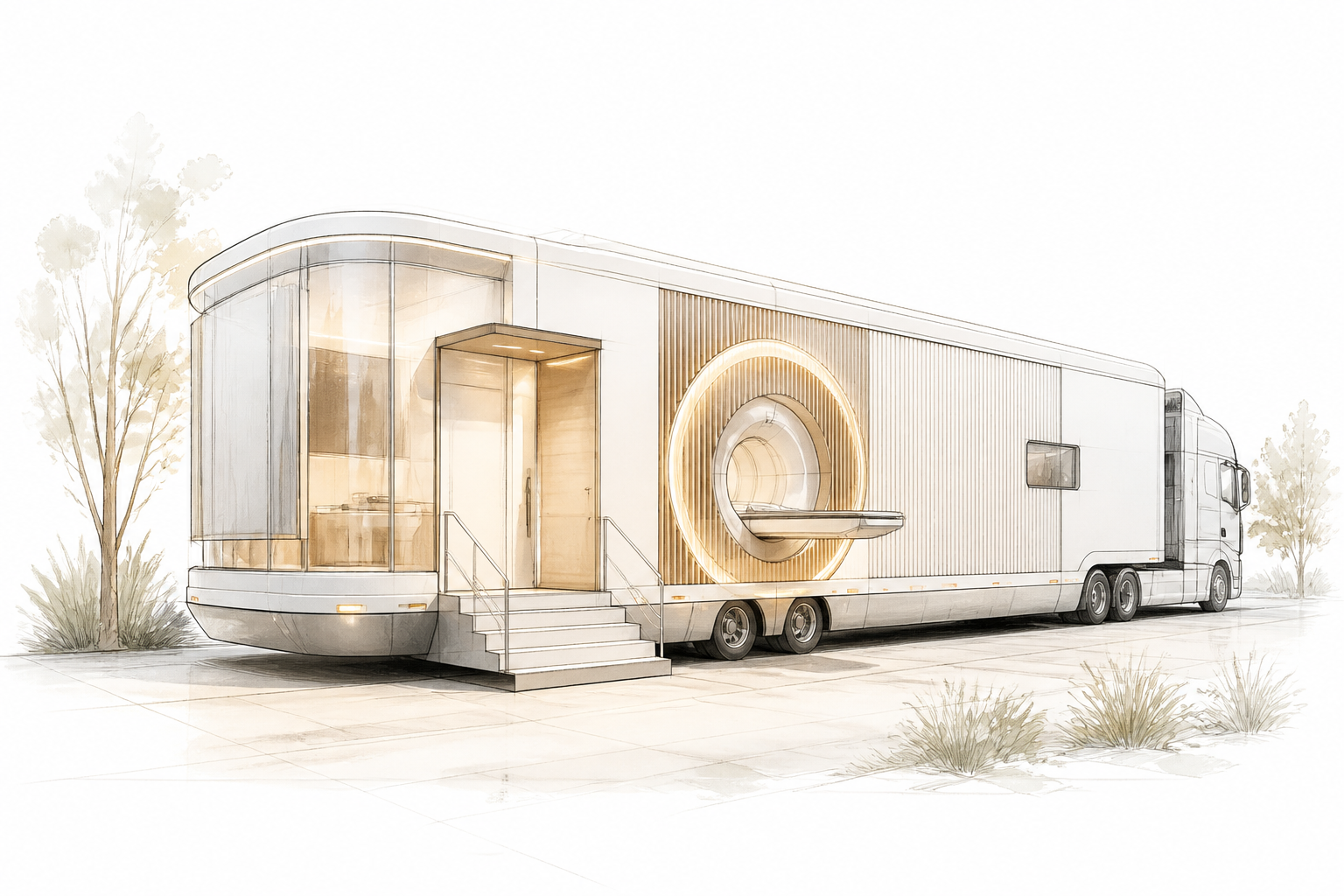
A mobile MRI unit delivers high-end diagnostic imaging directly to clinics, hospitals, and remote sites using a truck- or trailer-based MRI system. Revenue is earned on a per-scan basis under service agreements, providing a flexible model that avoids the fixed costs of a brick-and-mortar imaging center. This model captures the full capital intensity of acquiring and outfitting a mobile unit, identifying all major cash drivers before commitment.
Operational complexity goes far beyond a stationary MRI: rolling stock scheduling across multiple client locations, travel time between sites, patient no-show adjustments, and variable daily throughput. It incorporates strictly regulated downtime for annual inspections, preventive maintenance, magnet cool-downs, and coil replacements—every hour of downtime directly erodes billable scan volume. Crew rotations, per diem expenses, and lodging for multi-day routes are also structured into the labor cost line.
On the investment side, the model demonstrates the order-of-magnitude capital required—ranging from new to refurbished systems, outright purchase to operating lease. Residual value of the coach and magnet at end of life is integral to the return logic. Operating expenses reflect a full payer mix, medical consumables, fuel, insurance, and licensing across jurisdictions. The pro forma reveals how even small assumptions about utilization or reimbursement levels shift the financial picture, helping buyers stress-test viability before launch.
Modeling specifics
- Scan-based revenue engine with payer-mix tiers (Medicare, Medicaid, commercial, self-pay) and a utilization ramp-up curve that varies by month and site maturity.
- Multi-site rotation scheduler accounting for travel distances, fuel consumption, setup/teardown time, and idle days between client stops, directly feeding the revenue block.
- Equipment procurement module comparing outright purchase (cash/debt), operating lease, and capital lease, with detailed debt amortization and lease liability tracking under ASC 842.
- Regulatory downtime calendar with hard-coded annual ACR inspection periods, magnet recalibration cycles, and stochastic coil failures that trigger unscheduled service events and revenue loss.
- Crew staffing model with rotating teams of radiologic technologists and drivers, incorporating overtime rules, overnight per diem, and the geographic radius of operations.
- End-of-life residual value scenarios for the MRI magnet, gradient coils, and the vehicle chassis, integrated into terminal cash flows and NPV calculation.
- Break-even analysis that isolates minimum daily scans per site and drive distance sensitivity to sustain positive contribution margin, revealing thin profit pockets.
What's included in the base version
- Revenue block: per-scan billing with payer mix, volume ramp-up, and seasonal patient flow adjustments.
- Direct operating costs: medical consumables, vehicle and MRI maintenance, fuel, insurance, and state licensing fees.
- Crew labor model: full-time equivalent radiologic technologists, drivers, with shift differentials and travel per diem.
- Capital expenditure schedule: coach acquisition, MRI unit (new, refurbished, or lease down payment), launch consumables, and initial training.
- Financing sheets: bank loan amortization and operating lease calculators with interest rate and term flexibility.
- Tax modeling: straight-line and MACRS depreciation options, property tax on equipment, and income tax provisions.
- Integrated financial statements: monthly three-statement model (P&L, cash flow, balance sheet) with dynamic cash sweep logic.
- Dashboard & key metrics: scan economics per unit, EBITDA margin, debt service coverage ratio, and unit lifetime cost of ownership.
Common modeling mistakes
- Assuming the mobile unit operates at the same annual utilization as a fixed-site MRI center — overestimates billable scan volume by 20–30% due to travel, setup, and client scheduling gaps.
- Ignoring regulatory downtime (annual ACR/MQSA inspections, magnet recalibration, coil replacement cycles) — overstates annual revenue by 8–12% while underfunding the maintenance reserve.
- Modeling all scans at a single top-tier reimbursement rate without accounting for the actual payer mix — average revenue per scan is inflated by 15–25%, misleading ROI and payback projections.
- Treating the MRI magnet and coach as standard fixed assets without modeling residual value at end of life — understates project NPV and shows an incorrectly extended payback period by 1–2 years.