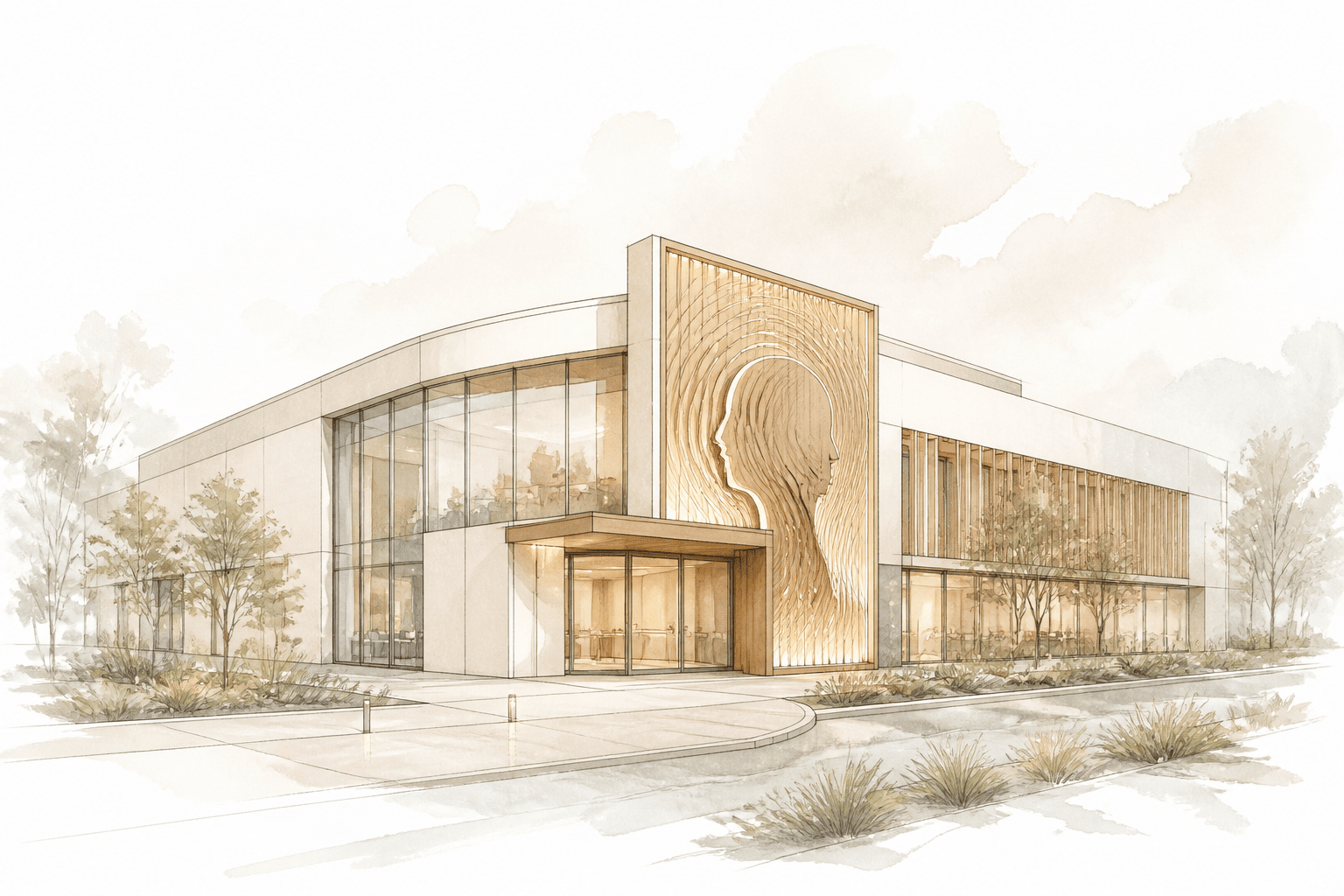
Multiple Sclerosis Center Financial Model
Description
Our model is built for a dedicated outpatient Multiple Sclerosis center that brings together neurology consultations, infusion therapy, MRI imaging, and ancillary services under one roof. It handles complex capacity logistics: infusion chairs with time‑block scheduling, MRI suites managing both contrast and non‑contrast scans, and physician slots for new, follow‑up, and urgent visits. The projection accounts for ramp‑up from new patient acquisition and referral networks, with separate curves for newly diagnosed patients initiating therapy and established patients returning for maintenance infusions.
On the revenue side, the model captures a multi‑payer environment — commercial plans, Medicare, Medicaid, and self‑pay — with distinct reimbursement rates per service line. The infusion block models high‑cost disease‑modifying therapies (DMTs) on a buy‑and‑bill basis, including vial sizing, waste, and inventory holding periods. MRI throughput is linked to scanner schedule constraints, slot durations by protocol, and the share of scans requiring contrast agents.
The cost structure reflects the reality of a specialty center: direct drug expense per infusion event, contrast and consumables per MRI scan, rent for a medical‑build‑out facility, service contracts on high‑field MRI, and a lean staffing model of neurologists, infusion nurses, MRI technologists, and back‑office revenue cycle staff. The model is designed to help an experienced operator or practice manager stress‑test assumptions, plan financing, and arrive at a realistic cash‑need timeline. The capital expenditure shown is indicative — it helps you understand the magnitude, while every critical input remains in your hands.
Modeling specifics
- Infusion chair scheduling engine: weekly slots are assigned with separate durations for rapid infusions, long infusions (e.g., Ocrevus), and oral DMT monitoring; chair utilization cannot exceed a user‑set maximum to account for cleaning and turnaround.
- MRI scanner block scheduling: weekday scanner hours are split into fixed‑duration protocol slots (brain w/wo contrast, c‑spine, etc.); contrast and non‑contrast sequences carry different direct costs and appointment lengths, affecting daily throughput.
- DMT inventory and drug cost module: each infusion event pulls the actual drug cost based on the specific DMT, average patient weight, vial configuration, and standard wastage assumptions — the model flags when inventory reorder points are breached and finances the working capital need.
- Multi‑payer contracting and revenue cycle: up to five payer categories each with procedure‑level fee schedules, prior‑authorization probabilities, and a separate days‑in‑AR delay; net patient revenue is calculated after contractual allowances, bad debt, and copay assistance.
- No‑show and cancellation cascade: every appointment type has a no‑show rate, and cancelled slots can be backfilled with a probability that decays as the date approaches; this directly feeds into effective utilization, revenue capture, and staffing efficiency.
- Patient acquisition and referral decay: new‑patient volume grows via a Bass‑diffusion curve with a cap driven by catchment population and referring physician relationships; established patient retention is modeled with an annual attrition rate.
- Service contract and equipment replacement reserves: high‑ticket items (MRI, infusion pumps) carry annual service contracts as a percentage of capex, and a sinking fund for future equipment replacement is built into the long‑term cash forecast.
What's included in the base version
- Revenue schedule: infusion visits by DMT type, MRI scans with/without contrast, neurology office visits, ancillary services
- Staffing planner: physician, nursing, technologist, and administrative FTEs tied to patient volume and service mix
- Direct cost calculator: drug cost per infusion event, MRI contrast and consumables, medical supplies per visit
- Capex and depreciation: initial medical equipment, tenant improvements, furniture & IT, with straight‑line and MACRS option
- Financing module: senior debt, mezzanine, or equity with cash sweep, minimum DSCR covenant, and interest during construction
- Integrated three‑statement model: P&L, cash flow, balance sheet on a monthly basis for up to 10 years
- Key metrics dashboard: patient volumes, chair and MRI utilization, average revenue per infusion by payer, DMT gross margin, payback period
- Scenario manager: base, optimistic, and stress cases driven by ramp‑up speed, reimbursement rates, and drug cost inflation
Common modeling mistakes
- Modeling infusion revenue at a flat per‑event rate without differentiating payers and DMT mark‑up — understates net revenue by 12–20% because commercial‑insured infusions generate significantly higher margin than Medicare.
- Ignoring drug vial overfill and waste when costing DMT inventory — inflates Cost of Goods Sold by 5–10% and makes the center appear less profitable than it actually is.
- Assuming MRI scanners can run at 100% slot capacity every day — overstates MRI revenue by 15–25% because contrast prep, patient tardiness, and emergency cases reduce real‑world throughput.
- Overlooking the cash flow lag from prior‑authorization and billing (days in AR) — overstates the first‑year cash balance by a factor of 2–3x and hides liquidity shortfalls during the ramp‑up phase.
- Treating no‑show rates as a constant instead of linking them to appointment type and lead time — understates the needed buffer of overbooking and leads to a payback period overstated by 1–2 years.
- Not building a separate working capital line for high‑cost DMT inventory — causes cash outflows to be mis‑timed and distorts the true funding requirement at launch.