Structural Steel Tube Plant Financial Model
Description
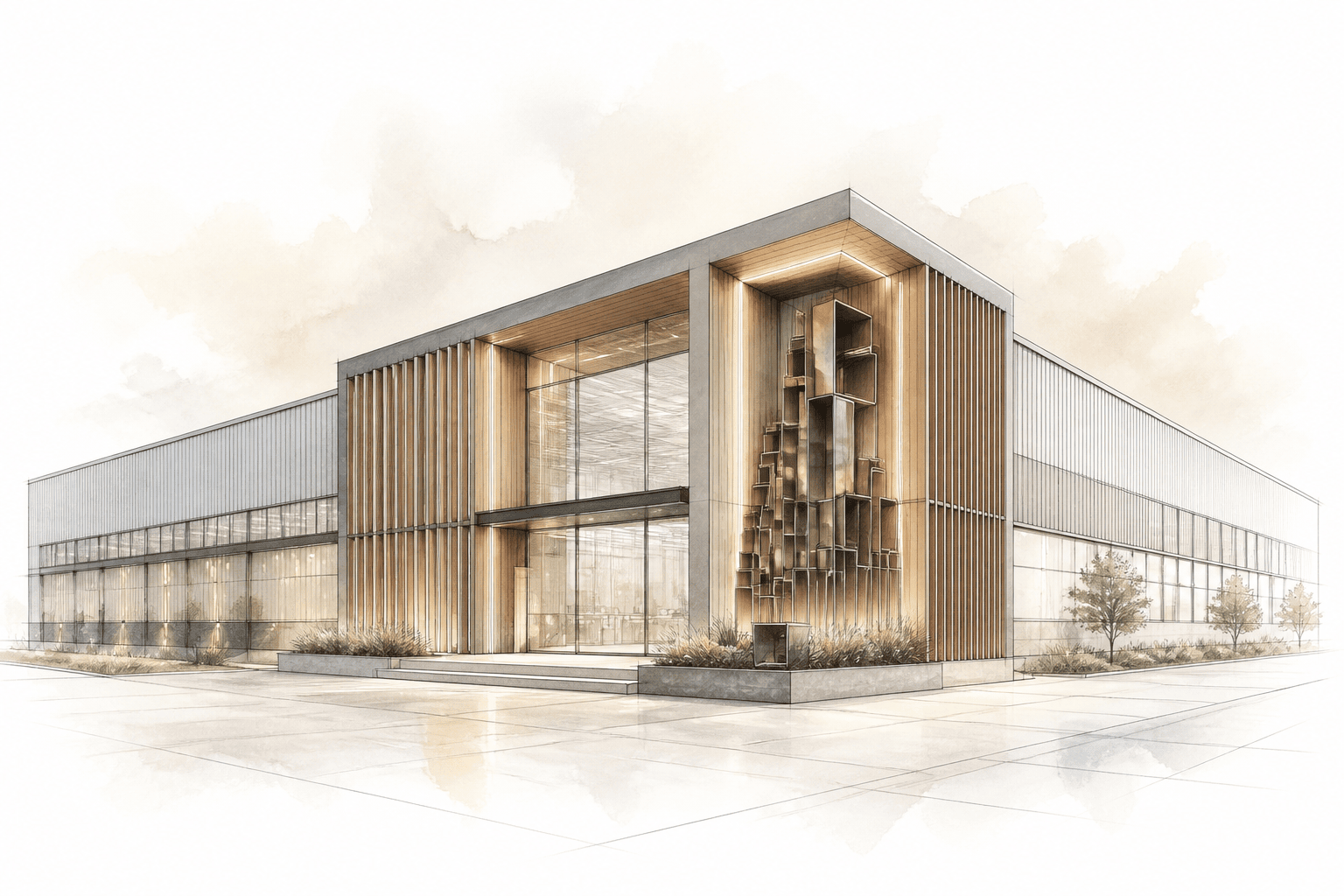
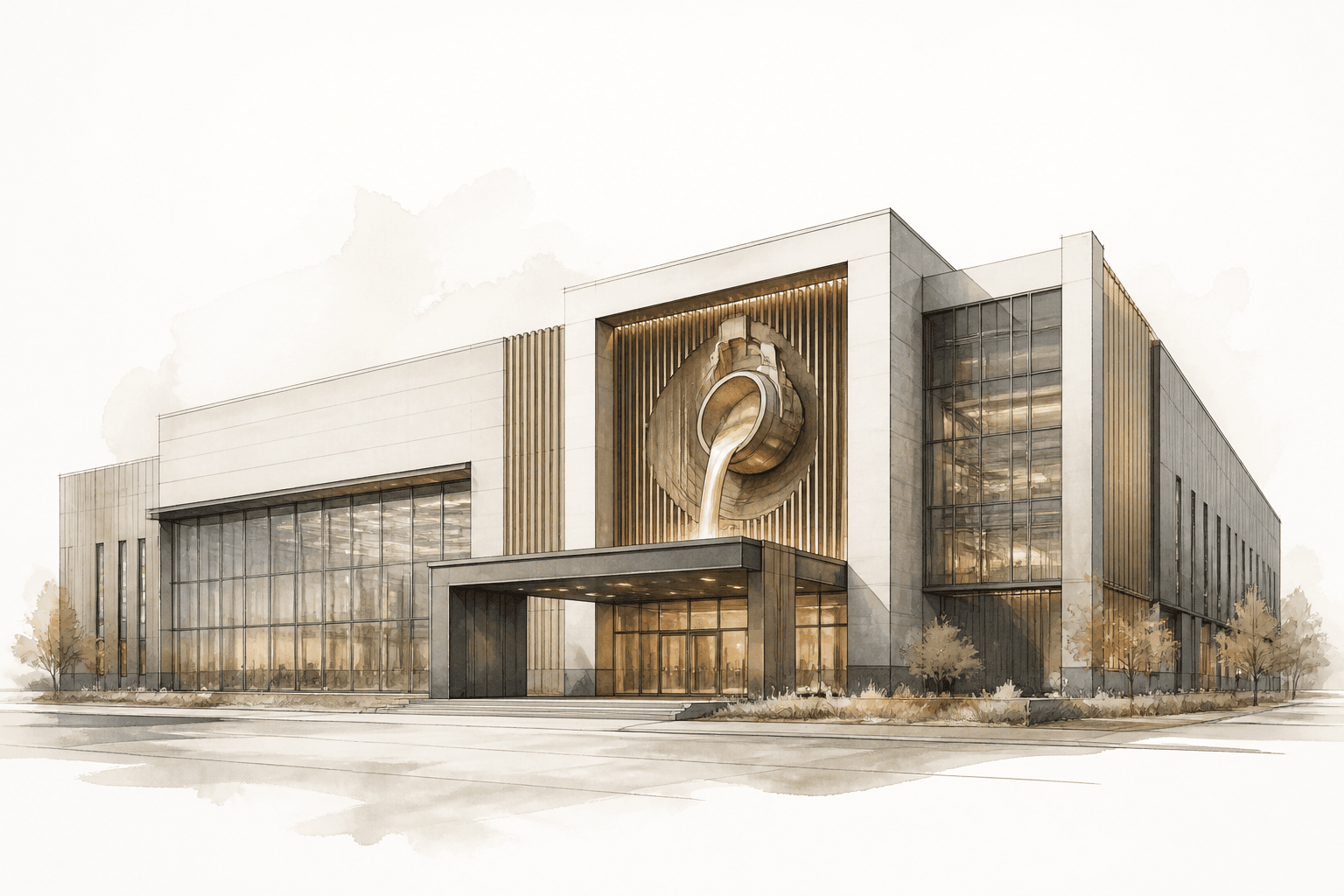
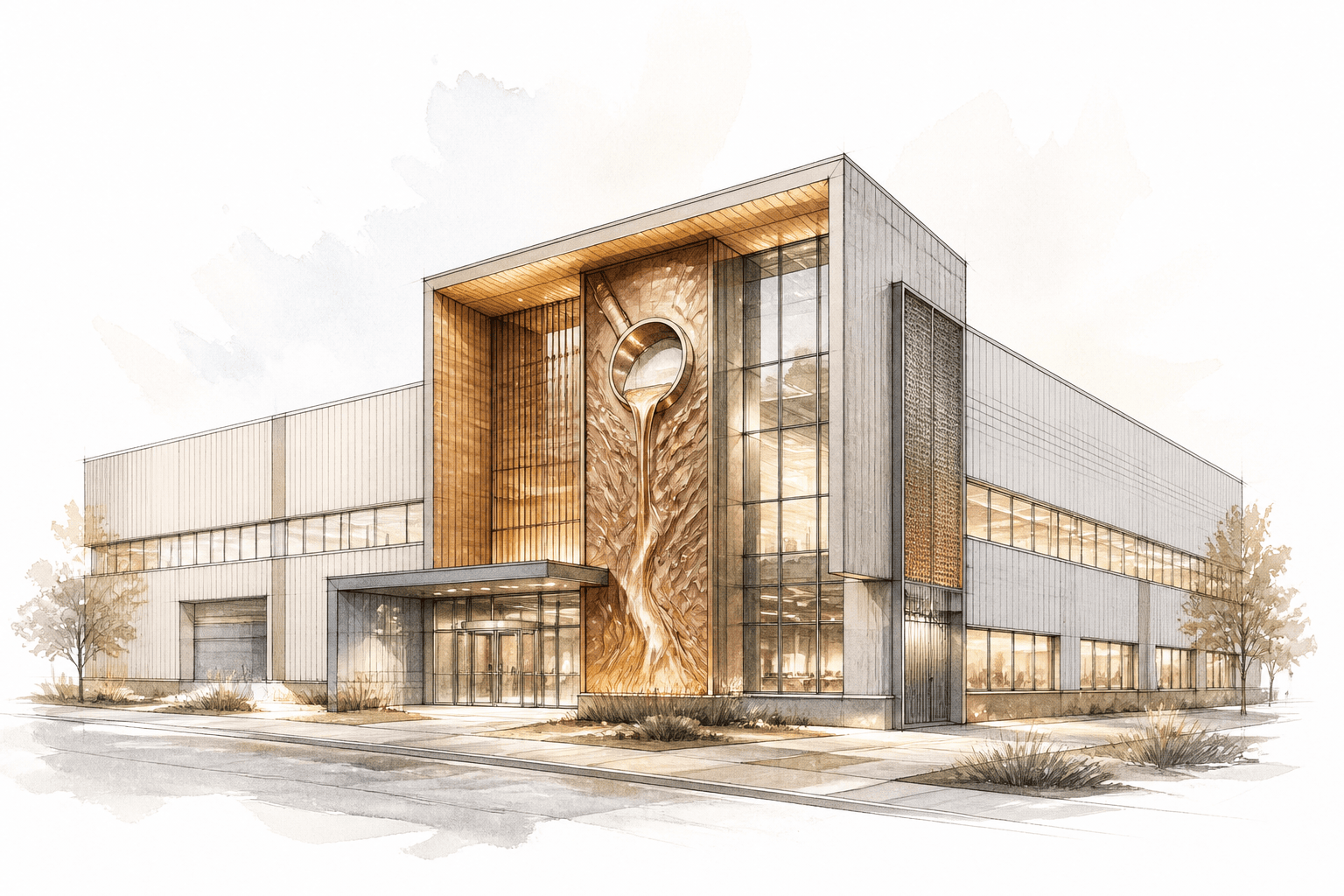
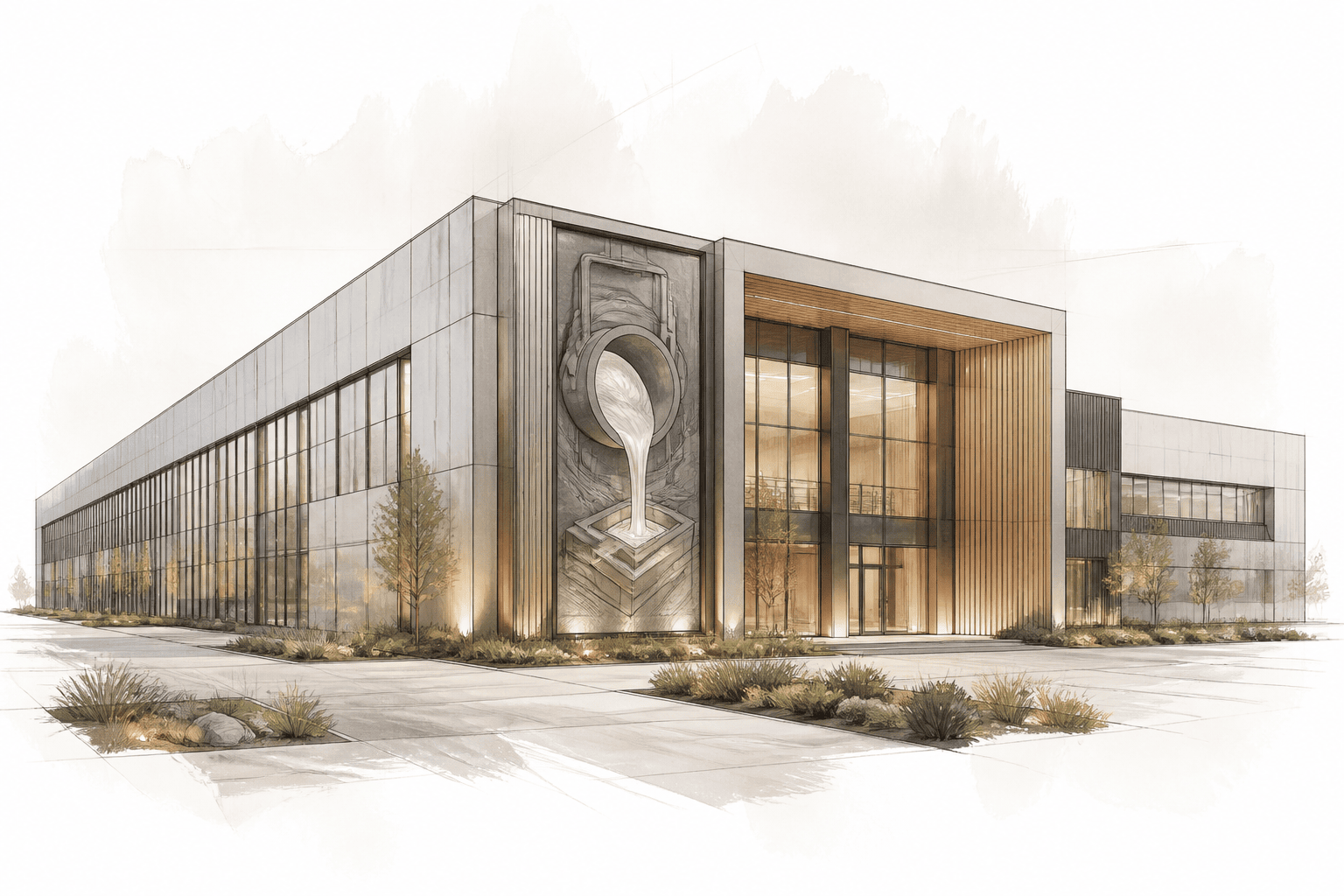
The model captures the economics of a structural steel tube production facility, from coil feeding to finished tube packaging. It spans multiple production lines—slitting, ERW welding, sizing, straightening, galvanizing, and coating—each with its own throughput rates, changeover times, and utility consumption. The investment estimate shown reflects the order of magnitude for acquiring and installing such lines, without claiming precise capex figures.
Raw material—hot-rolled coil—is the dominant cost driver. The model incorporates a price hedge logic where forward contracts and spot purchases can be blended per planning period, and scrap recovery rates feed back into material yield. This allows the user to model margin sensitivity under volatile steel markets.
Production planning is built around batch sequencing by diameter and wall thickness to minimize changeover downtime and coating bath transitions. Inventory tracking of work-in-progress and finished tubes is cascaded across multiple storage buffers, including quarantine for quality hold. The model also handles downstream by-products like slitting scrap and zinc dross, with associated revenue or disposal costs.
The plant’s revenue model can be set up by tube dimension and specification, with take-or-pay and contract/spot mix, while operational expenses such as roll tooling, zinc ingots, energy, and maintenance are linked to production volumes and run hours, providing a realistic opex profile.
Modeling specifics
- Dual raw material sourcing with contract/spot blending and automatic price hedge logic, including base price, premiums, and lead times per coil order.
- Multi-line capacity modelling with product-dependent changeover matrices (diameter, thickness, coating) that dynamically calculate effective utilization instead of a flat OEE.
- Closed-loop scrap recovery cascades: slitting scrap, crop ends, and offcuts are either returned to upstream processes or sold, with yield feedback to material cost per ton of finished tube.
- Coating and galvanizing bath chemistry depletion modelled by throughput and surface area, with zinc ingot replenishment and periodic bath maintenance costs.
- Batch tracking and quarantine logic for quality hold periods, including rework probability, inventory carrying cost, and delay impact on delivery schedules.
- Utility consumption (electricity, gas, water) per process step rather than a plant-wide average, with part-load and idle consumption curves.
- Tooling and roll wear as a variable cost item per ton, with replacement frequency derived from run hours and accumulated production between grindings.
- Revenue contracts supporting take-or-pay, minimum volume commitments, and penalty/liquidated damages for under-lifting, with separate pricing for contract and spot market.
- Phased investment with multiple capex draws, progressive commissioning ramp-up that incorporates learning-curve effects on material yield, throughput, and energy efficiency.
What's included in the base version
- Revenue model by tube dimension, coating, and customer type (contract/spot)
- Raw material procurement with basic contract/spot blending and price escalation
- Multi-line production schedule with capacity, changeover times, and utilization
- Direct cost build-up: coil consumption, zinc, energy, direct labor, and tooling
- Fixed operating expenses with step-up logic based on capacity tiers
- Capital expenditure schedule with depreciation by asset class (buildings, machinery, coating line)
- Working capital: accounts receivable, inventory (raw material, WIP, finished goods), accounts payable
- Debt and equity financing with simple senior debt and shareholder loans
- Integrated financial statements: P&L, cash flow, balance sheet
- Key financial indicators: NPV, IRR, payback, DSCR, and breakeven analysis
Common modeling mistakes
- Ignoring changeover times between tube dimensions and coating specifications — effective line utilization is overstated by 15–25%.
- Pricing raw material as a flat annual average without capturing monthly spot/contract mix — cash flow volatility and working capital requirements are understated by 15–25%.
- Applying a single aggregate yield loss instead of step-wise scrap cascades — material cost allocation is skewed, potentially inflating EBITDA margin by 1–3 percentage points.
- Overlooking quality holds and rework loops in finished inventory — inventory days and carrying costs are understated, leading to an overstatement of ROIC payback by 1–2 years.
- Treating galvanizing line costs as a fixed cost per ton without modelling zinc consumption and bath chemistry — coating cost per ton is underestimated by 5–10%.