Alzheimer's and Dementia Center Financial Model
Description
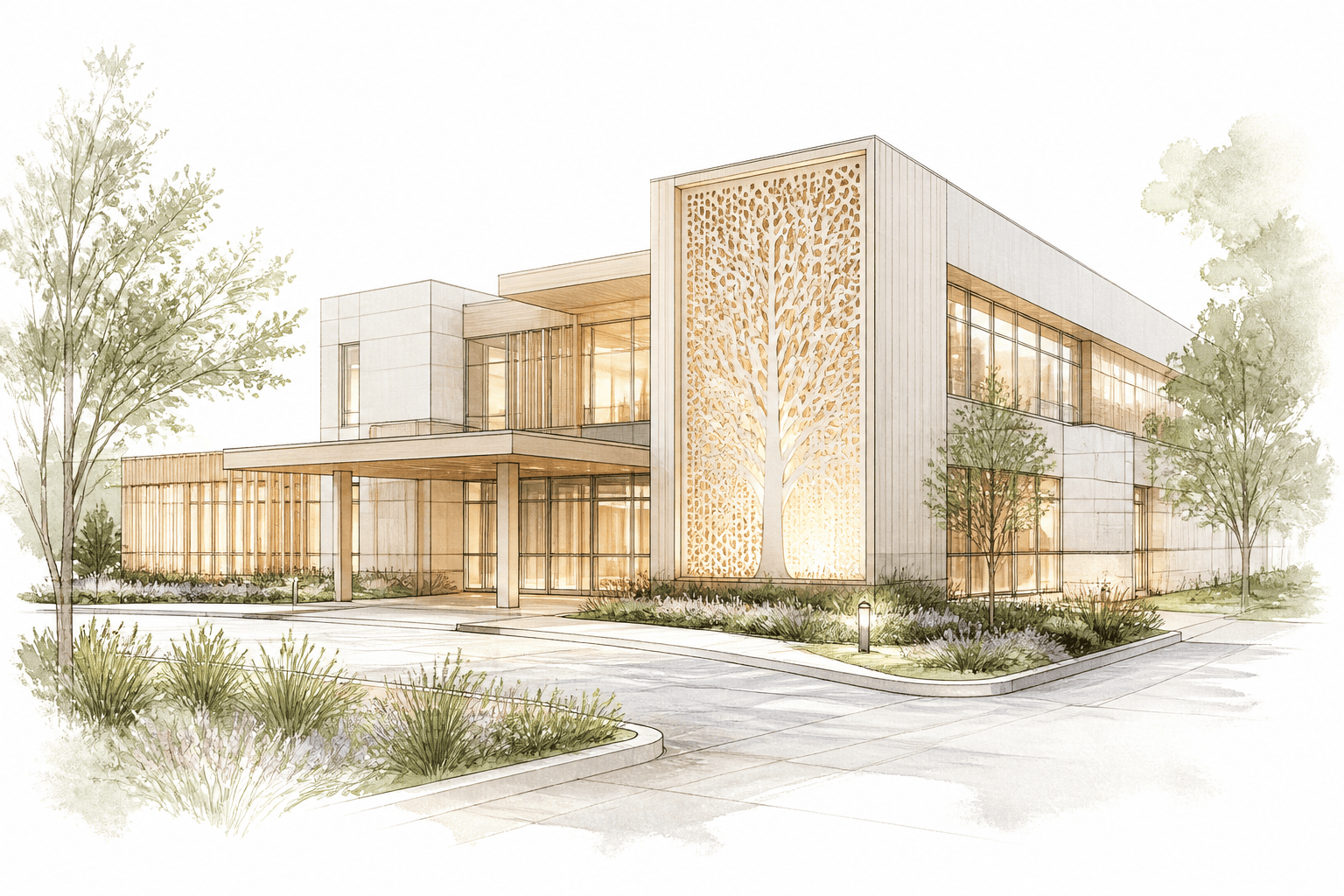
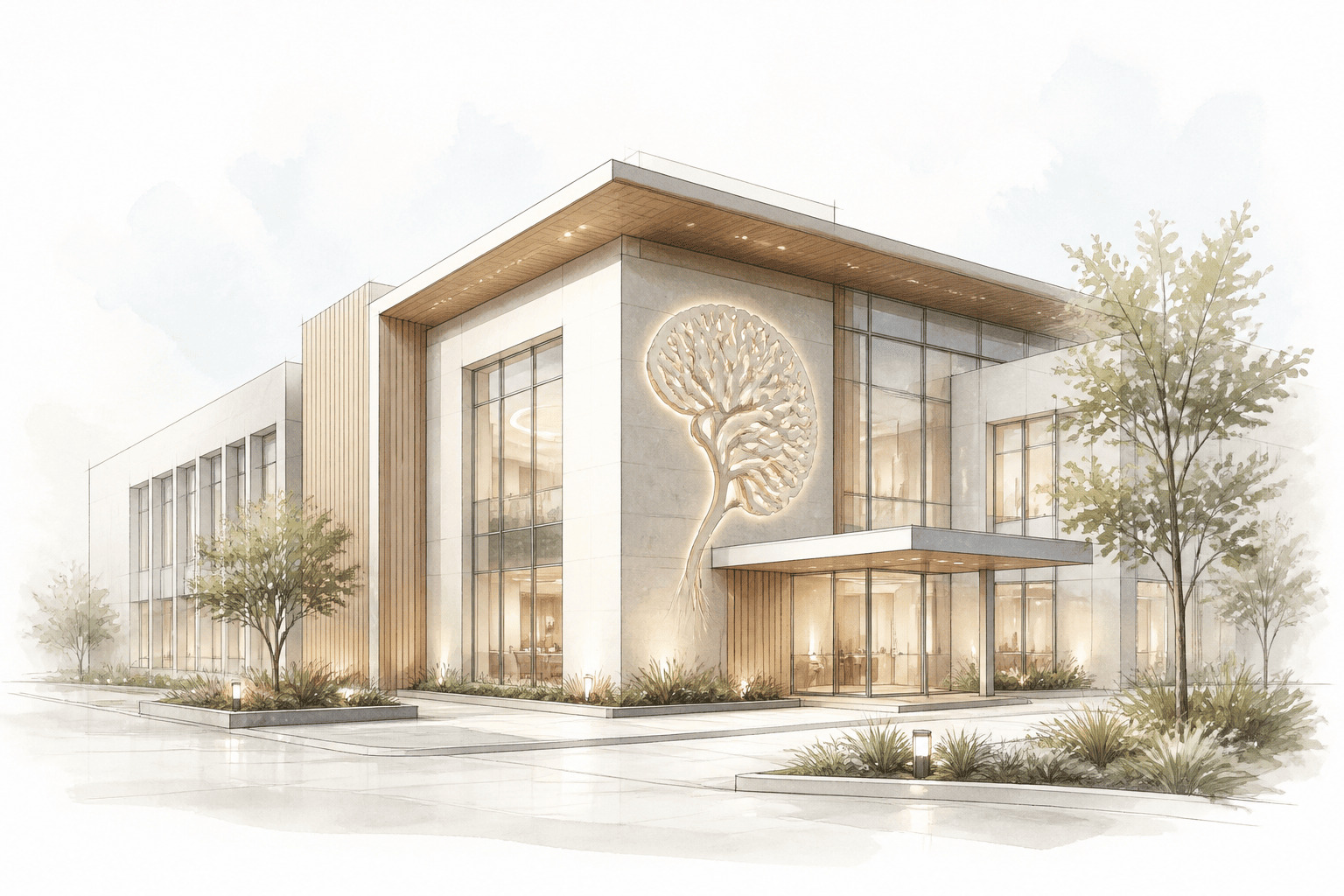
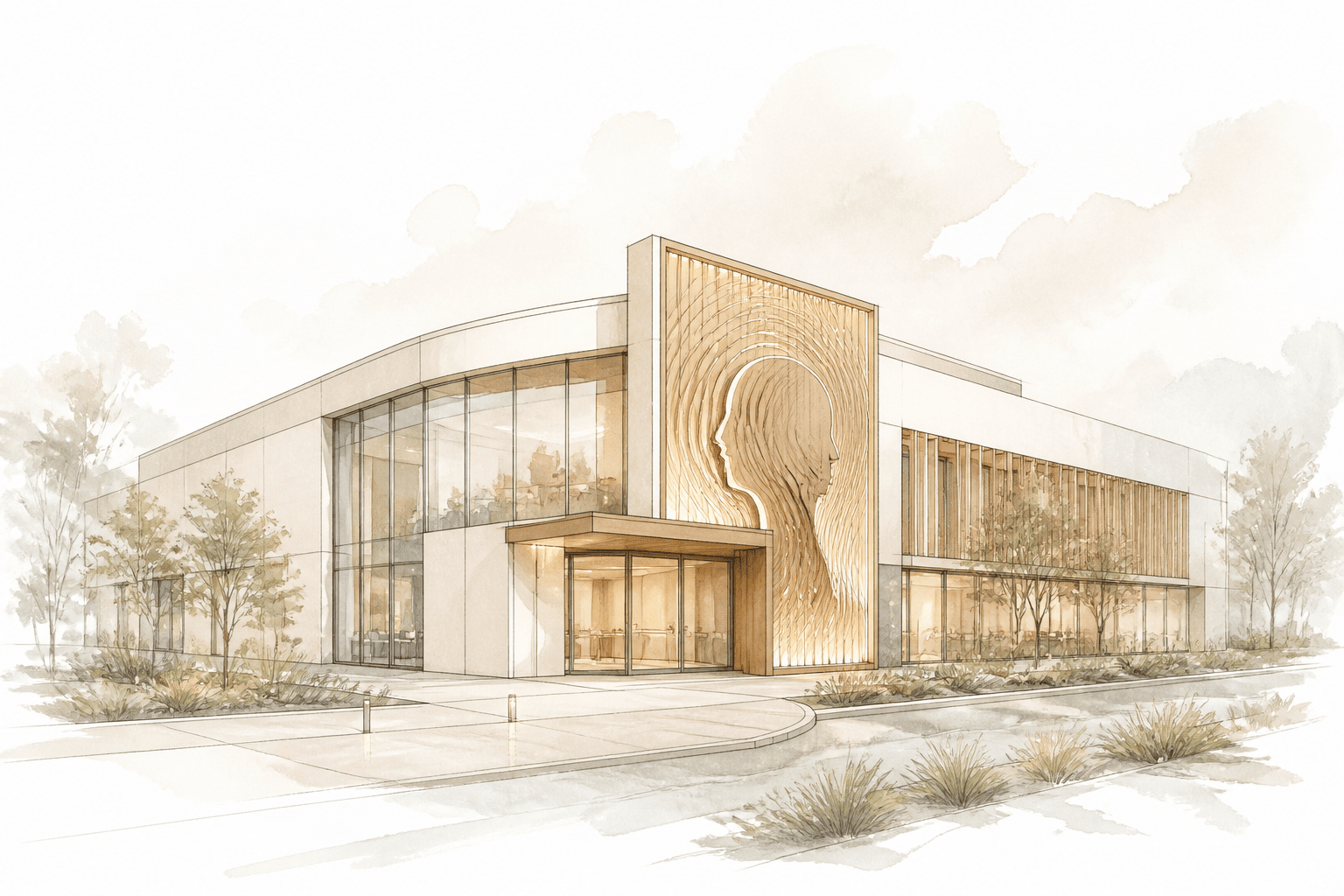
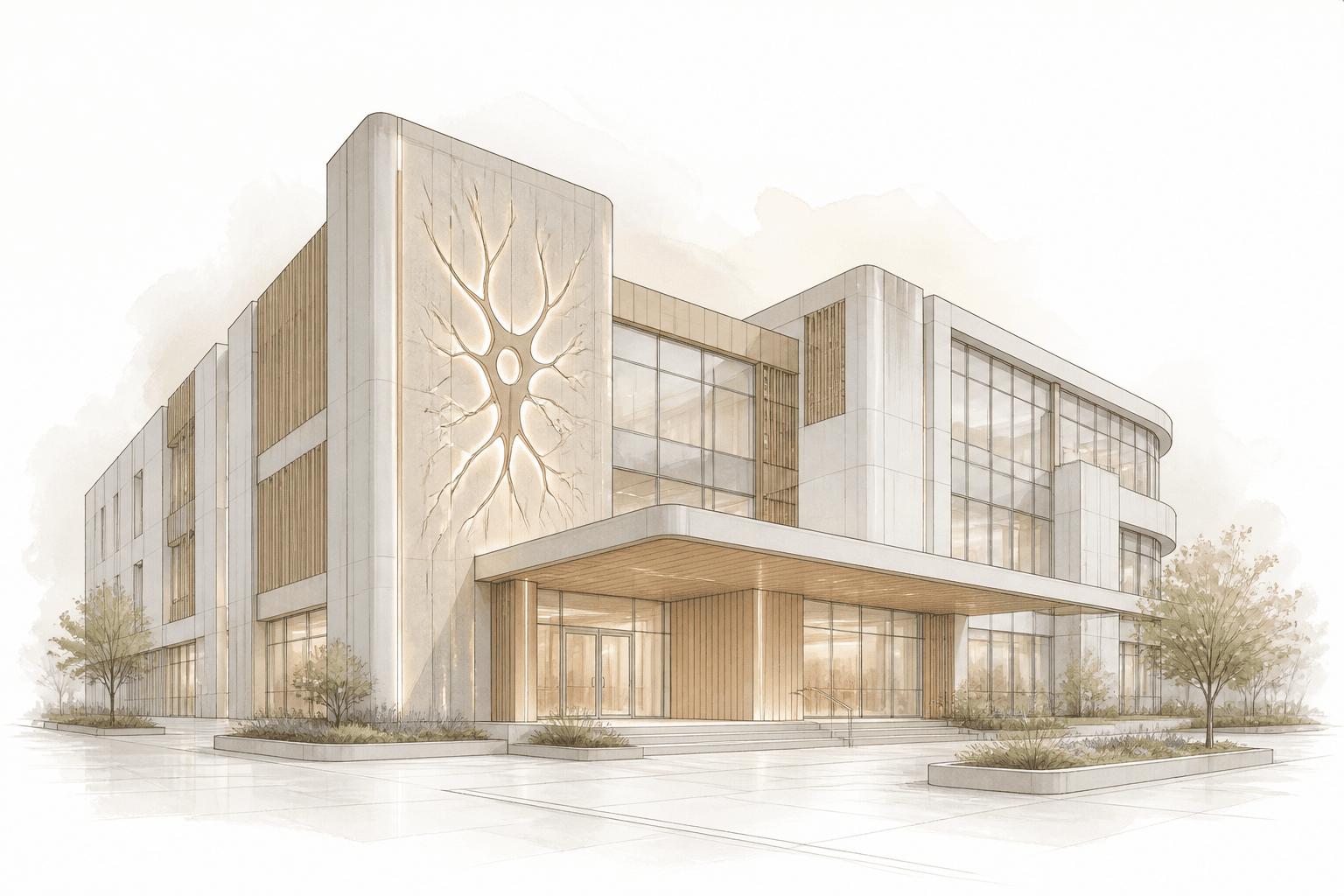
The model simulates a dedicated Alzheimer's and dementia care facility that combines residential memory care, adult day programs, and ancillary cognitive health services. Users configure the number of licensed beds, day-care places, and outpatient assessment slots, and the model automatically scales space, staffing, and operating costs.
Staffing is driven by a cognitive-stage census (mild, moderate, severe) with disease progression dynamics. Direct-care ratios, shift differentials, supervisory layers, and activities/music-therapy staff are built in, reflecting real-world regulatory and quality-of-care requirements.
Revenue is split by payer — private pay, long-term care insurance, and public programs — with adjustable rate structures and semi-annual escalations. The model includes an occupancy ramp-up with waitlist mechanics, seasonal patterns, and move-in/move-out churn. Capital expenditure covers specialized safety systems, secured wandering paths, and sensory gardens; the pro forma presents the order of capital figures to illustrate the investment logic, not final values.
Modeling specifics
- Stage-specific staffing algorithm links caregiver hours to the distribution of residents across mild, moderate, and severe dementia, with shift-by-shift and day-of-week calibration.
- Multi-service-line P&L with shared-cost allocation: residential, day care, and outpatient cognitive assessments share facility overhead using dynamic keys based on square footage and direct labor hours.
- Occupancy build-up with a waitlist module: new admissions follow a configurable lag, and turnover from health decline or death is modeled via time-varying attrition, eliminating double-counting.
- Payer-mix and rate architecture: private-pay room rates by room type, daily day-care fees, long-term care insurance per-diem caps and coinsurance, and public payers with case-mix adjusted rates.
- Real estate options: lease vs. own analysis with construction/renovation CapEx, leasehold improvements, and property management costs; automatically calculates break-even occupancy under each scenario.
- Specialized operational expenses: wander-prevention systems, secured outdoor areas, sensory rooms, enhanced liability insurance, and ongoing staff dementia training — all with proper maintenance and replacement cycles.
What's included in the base version
- Multi-service revenue model: residential memory care, adult day care, outpatient assessments — with payer-level rate cards and escalation.
- Stage-based staffing plan: caregiver ratios by dementia stage, shift differentials, supervisory layers, and activities staff.
- Detailed operating expenditure: property costs, F&B, medical supplies, wander-prevention maintenance, insurance, and marketing.
- Census dynamics: admissions, discharges, and transitions between care levels across the forecast period.
- CapEx schedule: construction/renovation, FF&E, safety and security systems, sensory garden.
- Financing module: senior debt, mezzanine, equity with target capital structure and flexible drawdowns.
- Integrated financial statements: monthly P&L, cash flow, and balance sheet.
- Standard investment metrics: unlevered/levered IRR, equity multiple, payback, DSCR, LLCR.
- One-variable sensitivity analysis on occupancy, daily rate, and staffing cost.
Common modeling mistakes
- Using a uniform caregiver-to-resident ratio regardless of dementia stage — misestimates labor cost by 15–25%, overstating expenses for mild-stage residents and understating for severe-stage.
- Ignoring move-in/move-out churn (residents exiting due to hospitalization or mortality) — inflates occupancy by 8–12% and overstates revenue projections.
- Treating all revenue as private-pay without accounting for long-term care insurance per-diem caps and coinsurance — overstates effective revenue per patient-day by 10–20%.
- Neglecting semi-annual rate resets in favor of a single annual uplift — understates cumulative revenue by 3–5% over a five-year forecast.
- Excluding the capital and operating costs of specialized dementia-safety features (alarmed doors, wander-guard, secure outdoor areas) — understates total initial investment by 15–30% and recurring maintenance.