Diving Center with Own Pool Financial Model
Description
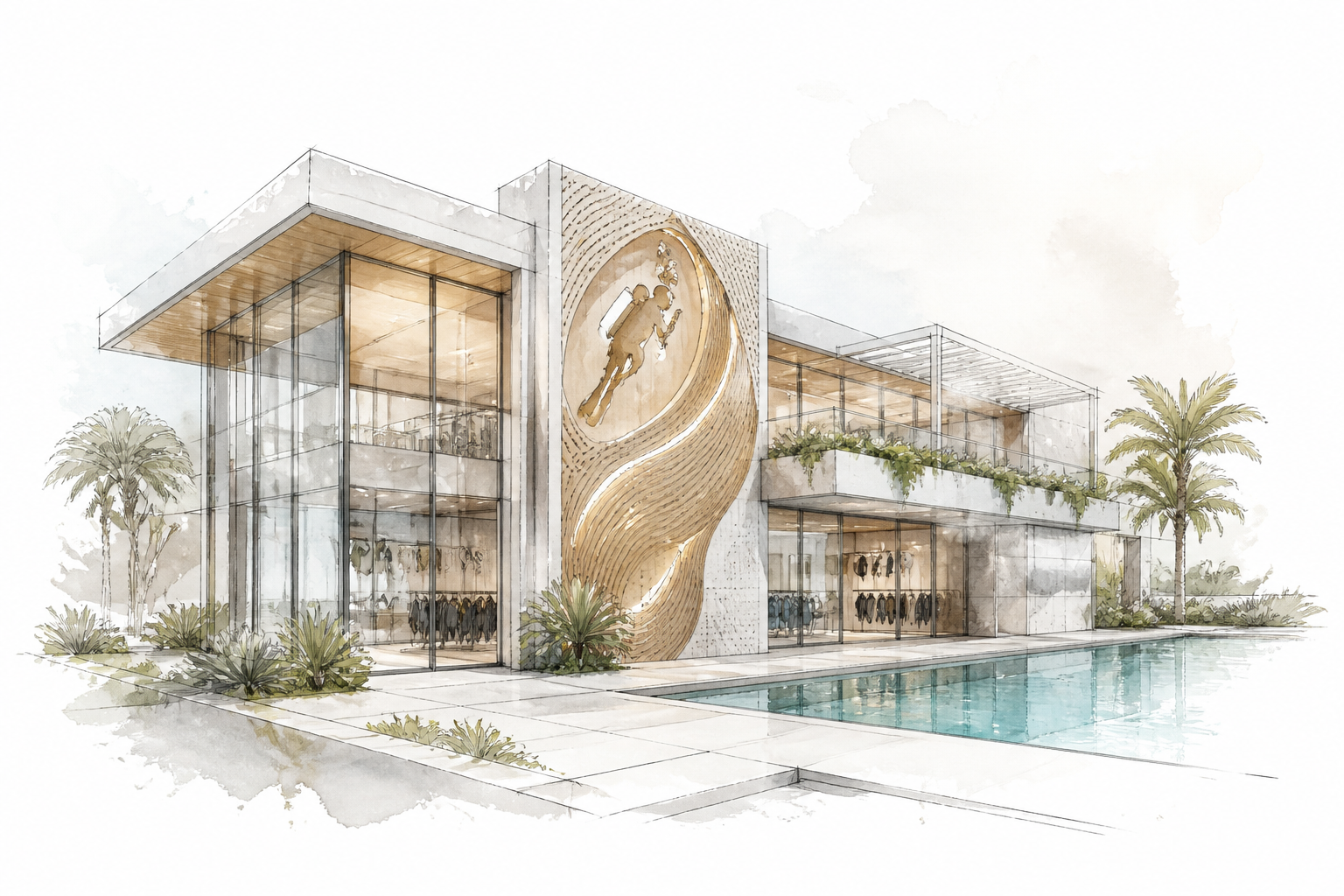
Financial model for a standalone diving center with its own indoor training pool. The facility offers PADI/SSI courses from introductory programs to dive master, along with fun dives, equipment rental, and pool practice sessions. The model assumes a built or renovated pool, reception, classrooms, gear storage, and a compressor room, reflecting a full-service dive operation.
Revenue drivers include course enrollments structured with confined water pool sessions and open water checkouts, drop-in pool dives, gear rental, and retail sales. The model captures student progression through certifications, prerequisite logic, minimum instructor-to-student ratios, and seasonal fluctuations in demand, avoiding flat-volume assumptions.
Operating costs cover instructor payroll tied to certification levels, pool heating and chemical treatment, regular gear servicing (regulators, BCDs, cylinders, compressor), agency fees, and marketing. Capital expenditures cover pool construction or leasehold improvements, initial dive gear packages, compressor bank, and shop fit-out, with a detailed phasing schedule.
Modeling specifics
- Gear depreciation and maintenance scheduling by category – service costs are linked to dive usage hours and replacement cycles, preventing understated OPEX.
- Student progression engine – follows individuals from discover scuba to advanced/specialty courses, applying course durations, prerequisites, and class size limits.
- Dynamic pool operating costs – water heating, filtration, and chemical dosing modeled on water volume, ambient temperature, and pool utilization days.
- Compressor and cylinder-fill economics – fill cycles, electricity, and maintenance intervals that affect per-fill margins and hidden cash outflows.
- Instructor payroll built per course – rates set by required certification level (divemaster, open water instructor, etc.) and mandatory student-to-instructor ratios.
- Seasonal demand curves – monthly adjustment factors applied separately to courses, fun dives, and retail, preventing annual revenue overestimation.
What's included in the base version
- Revenue model: course enrollments, fun dives, gear rental, pool sessions, and retail
- Course schedule builder with progression prerequisites and instructor allocation
- Staffing plan: instructors, divemasters, and admin with certification-based salaries
- Operating expenses: pool (chemicals, heating, maintenance), gear servicing, agency fees, marketing
- CAPEX schedule: pool construction/refit, dive equipment, compressor, furniture
- Depreciation and repair reserve schedule by asset type
- Financial statements: P&L, Cash Flow, Balance Sheet – 5 years monthly
- Investment analysis: NPV, IRR, payback period, and break-even
- Sensitivity analysis on key drivers (utilization, pricing, staffing costs)
Common modeling mistakes
- Assuming uniform monthly occupancy without seasonal dips – overestimates annual revenue by 15–25%.
- Ignoring mandatory gear servicing intervals (regulators every 100 dives) – understates OPEX by 20–30%, shortening payback by 1–1.5 years.
- Treating instructor labor as a pure variable cost without certification minimums – understates per‑student cost by 10–15%.
- Neglecting pool water heating sensitivity to ambient temperature – inflates margin by 10–20% in unheated climate simulations.