Frozen Bakery Products Plant Financial Model
Description
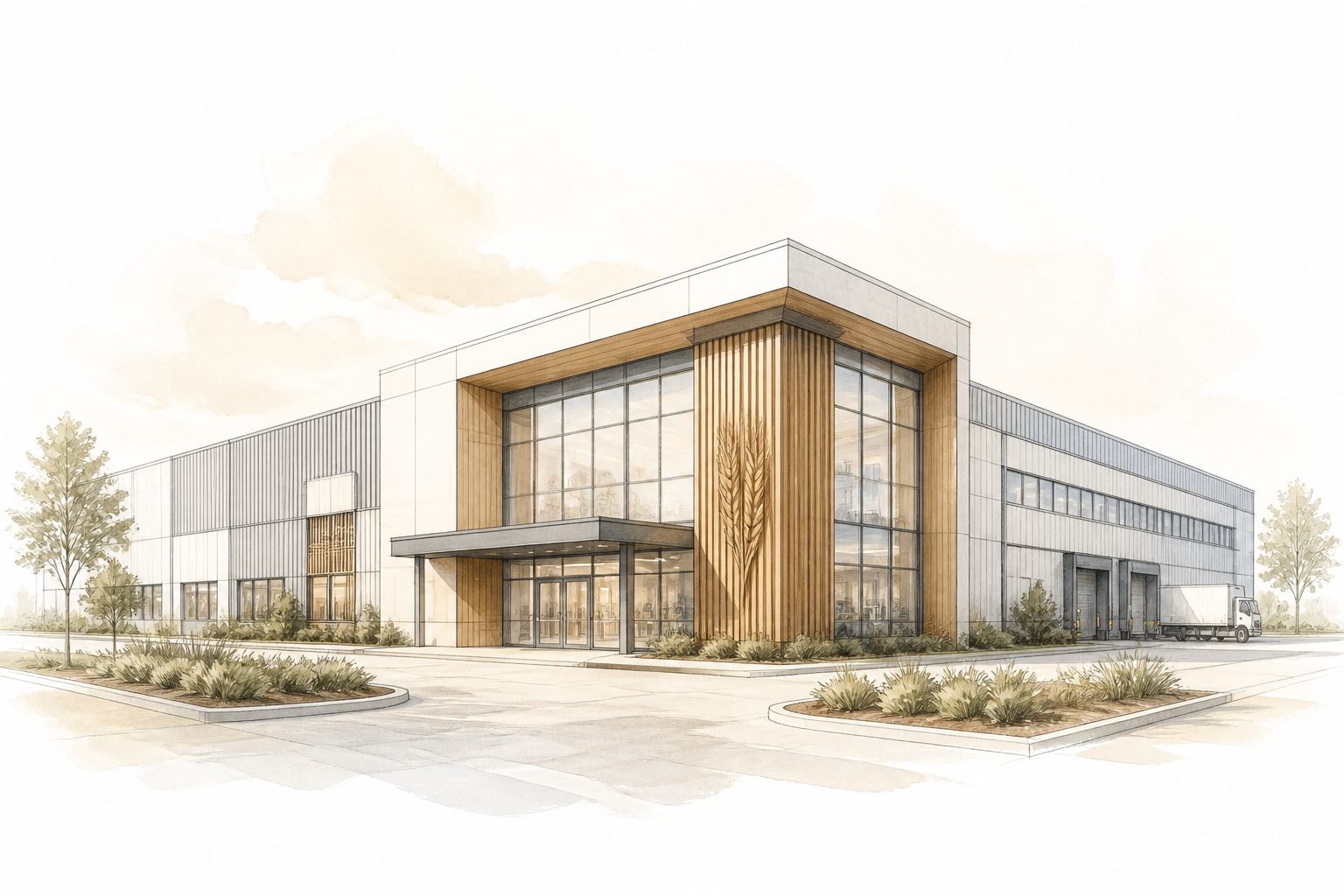
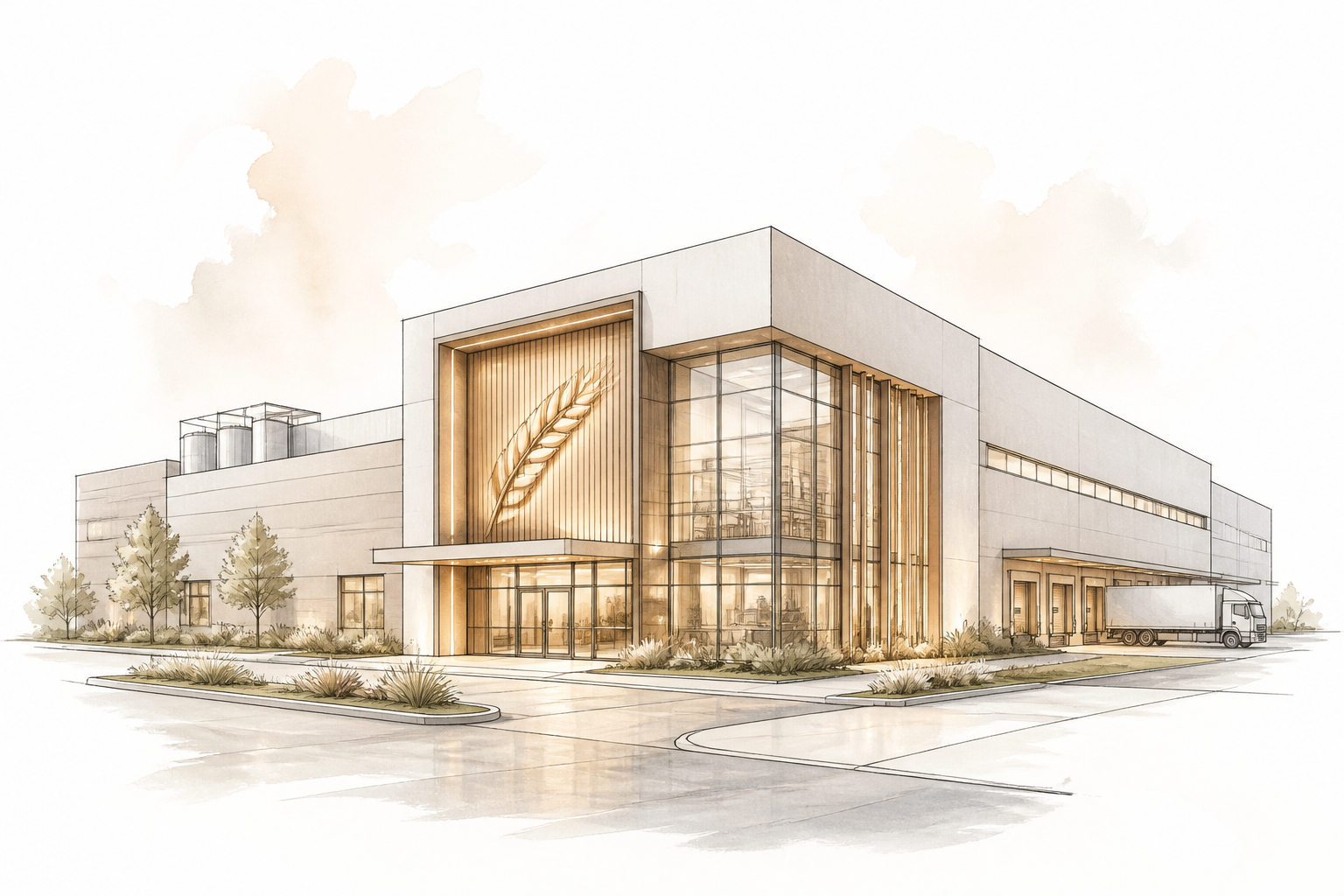
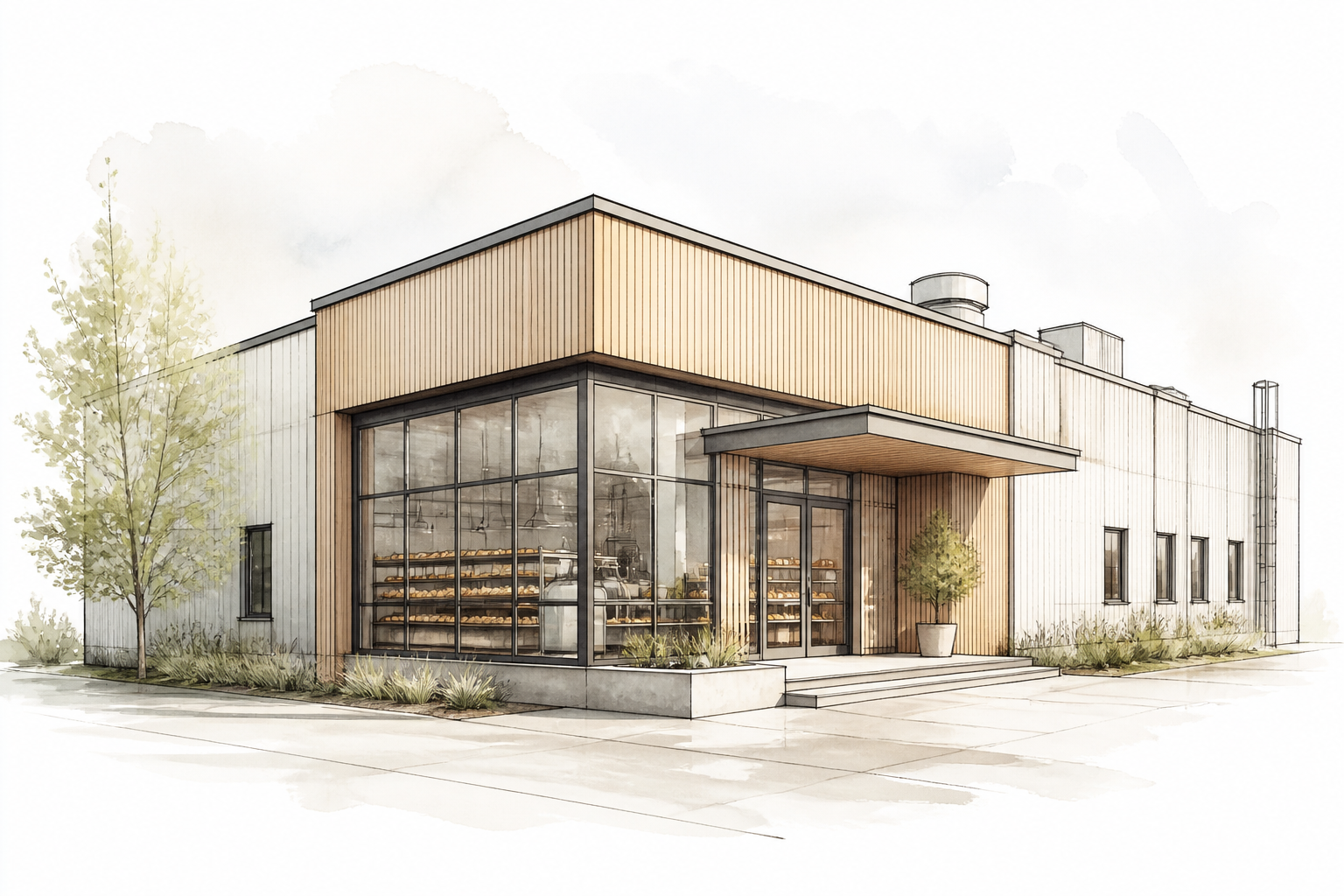
This Excel model is built for an industrial frozen bakery operation producing doughs, par-baked breads, and fully finished pastries for retail, foodservice, and export. It captures the real production flow: multiple lines dedicated to product families, each with its own throughput, recipe, and changeover constraints. The model estimates the total project investment in a range typical for a mid-cap frozen bakery plant—the output shows the order of magnitude rather than a benchmark, allowing the user to scale the facility appropriately.
Operational modeling goes beyond standard templates. Production is driven by SKU-level demand and batch scheduling; the tool accounts for dough preparation, proofing, baking (where applicable), blast freezing, and packaging. Energy consumption is split into process heat, refrigeration with COP curves tied to ambient temperatures, and utilities. Frozen inventory is managed with FIFO and a strict shelf-life policy; the model automatically writes off expired goods, directly hitting COGS and working capital—a critical layer often missing from generic models.
The financial architecture includes a detailed CAPEX schedule (production halls, freezers, cold storage, site development), startup expenses, and the working capital injection needed as frozen stock gradually ramps up. Financing can be structured with senior debt, equity, and potential freezer leases. The model produces integrated statements, standard investment metrics, and a dashboard that highlights cost drivers tied to freezing, yield loss, and inventory ageing. All assumptions are transparent, enabling scenario testing on product mix shifts, energy price spikes, or yield deterioration.
Modeling specifics
- Product-family-specific production lines with separate OEE parameters, changeover times, and cleaning cycles—no single blended capacity number.
- Blast-freezing energy consumption modeled from heat load equations (product mass, inlet/outlet temperature) and COP curves that degrade with ambient conditions.
- Shelf-life engine that tracks age of each frozen batch (FIFO) and automatically scraps expired stock, impacting cost of goods sold and inventory value.
- Multi-level BOM with recipe-level ingredient quantities, primary/secondary/transport packaging, and stage-specific yield losses (mixing, freezing, packing).
- Seasonal demand profiles with inventory build-ahead logic that ties production to forward sales, revealing pre-season working capital peaks.
- Freezer capacity utilization that accounts for batch freezing time and product-specific dwell, so production can be constrained by freezing bottlenecks.
- Working capital schedule that explicitly builds raw material and finished-frozen-inventory based on production lead times and ramp-up curves, not as a flat percentage of revenue.
What's included in the base version
- Assumptions & scenario control panel
- SKU library with recipes, BOMs, and multi-channel pricing
- Monthly demand forecast by SKU, channel, and seasonality
- Production plan with line assignment, batch scheduling, and output
- Direct costs: raw materials (recipe-driven), packaging, direct labor, blast-freezing energy, utilities
- Blast freezing & plant utility energy block (COP curves, heat load, ambient temperature profiles)
- CAPEX schedule & depreciation (production lines, cold storage, site, utilities)
- Staffing plan & indirect OpEx (QA, maintenance, logistics admin)
- Financing module: senior debt, equity, capital/operating freezer leases
- Working capital & inventory aging simulation (FIFO, shelf-life scrapping)
- Integrated financial statements (monthly & annual: P&L, cash flow, balance sheet)
- Investment metrics (NPV, IRR, payback) & sensitivity tables
- Executive dashboard with operational KPIs (OEE, yield, energy/ton) and financial summaries
Common modeling mistakes
- Ignoring blast-freezer part-load efficiency and seasonal COP variation — energy cost understated by 20–30% in months with high ambient temperatures.
- Failing to model shelf-life scrapping of frozen inventory — gross margin overstated by 5–10 percentage points and cash trapped in unsaleable stock.
- Assuming full line utilization without changeover times and cleaning cycles — effective production capacity overestimated by 15–25%, leading to unachievable revenue plans.
- Treating inventory build-up as instantaneous and not injecting explicit working capital — peak cash requirement understated by 30–50%, causing liquidity shortfalls in the first year.
- Not accounting for freezing yield loss (moisture evaporation, product damage) — raw material consumption understated by 3–7%, eroding margins.