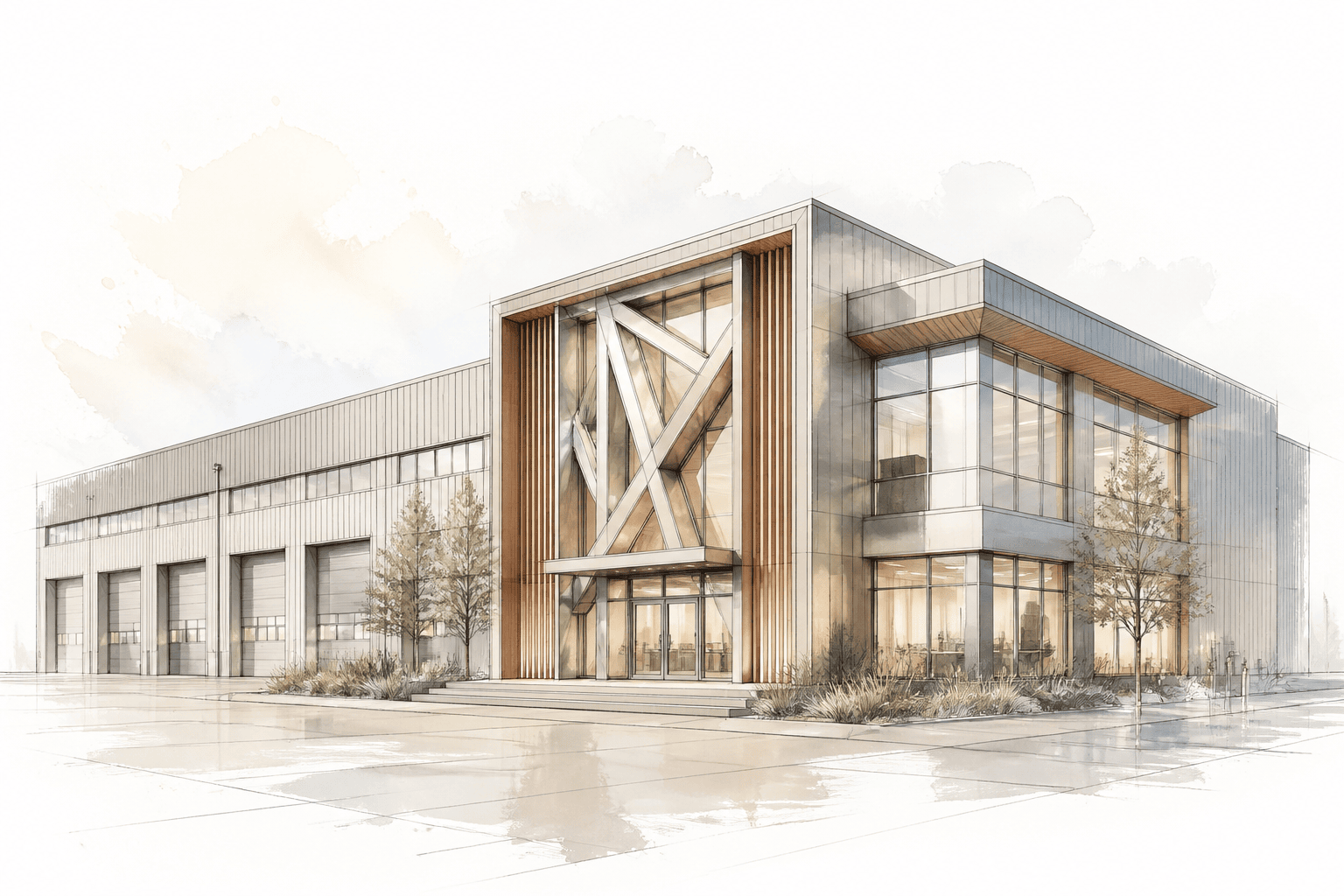
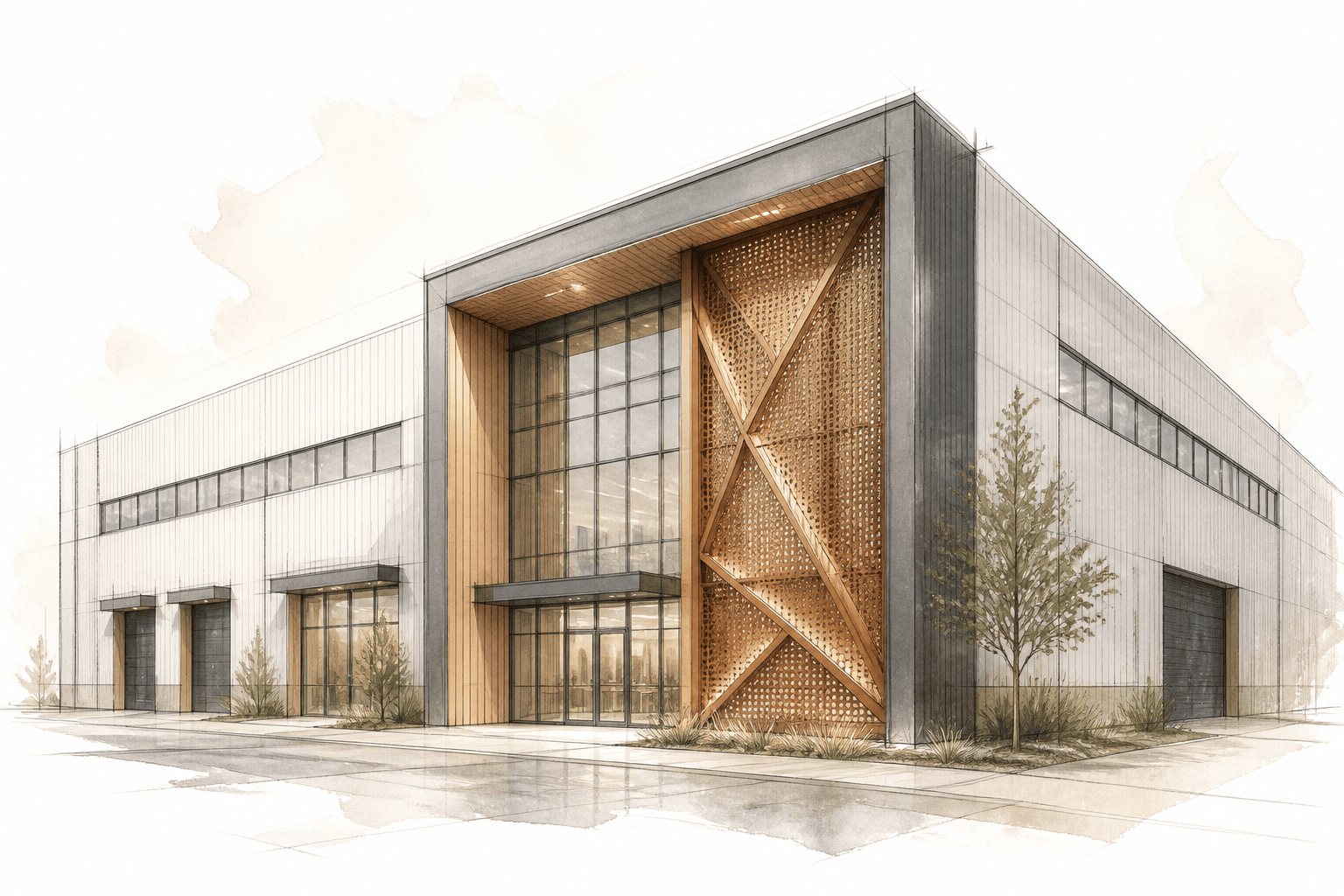
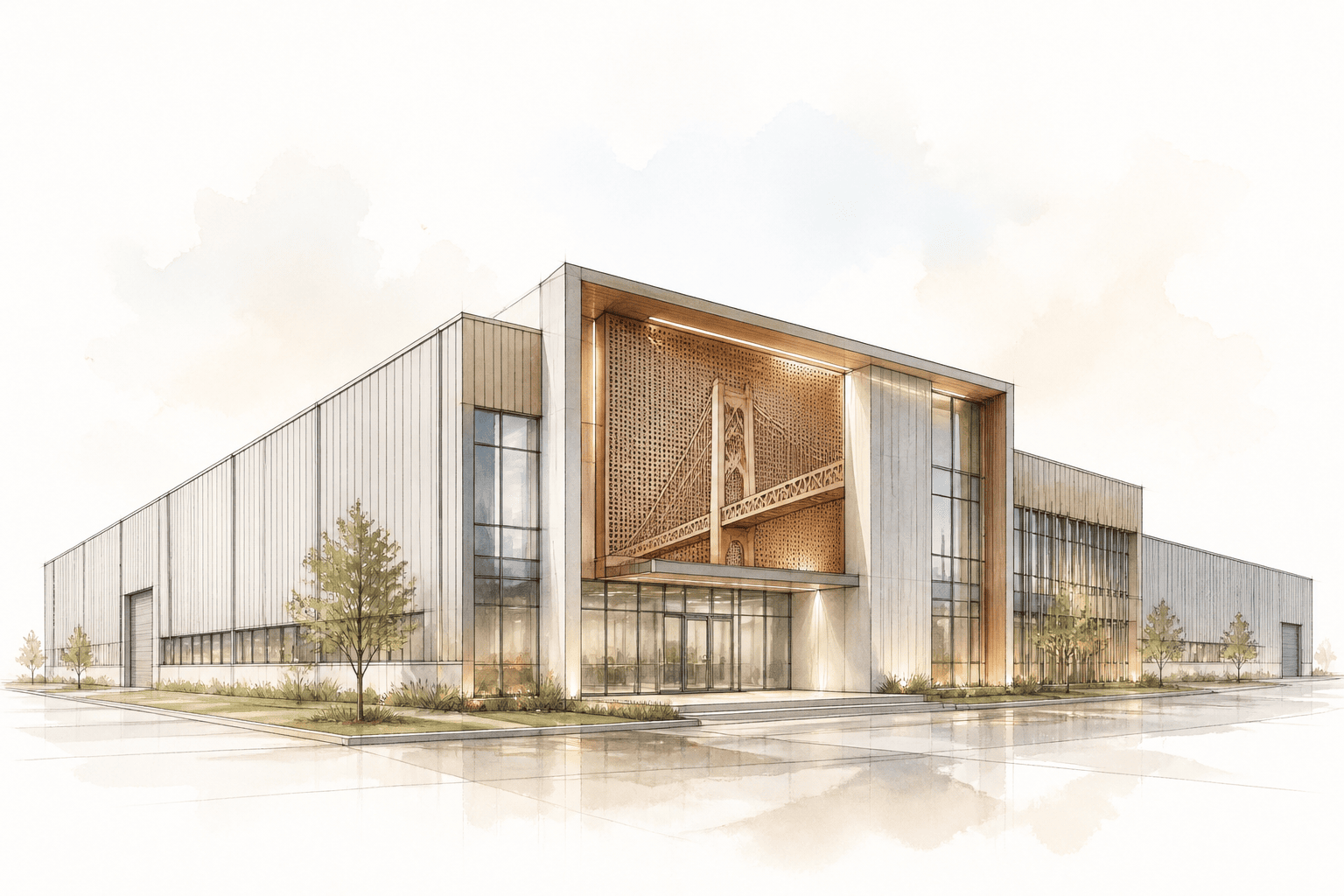
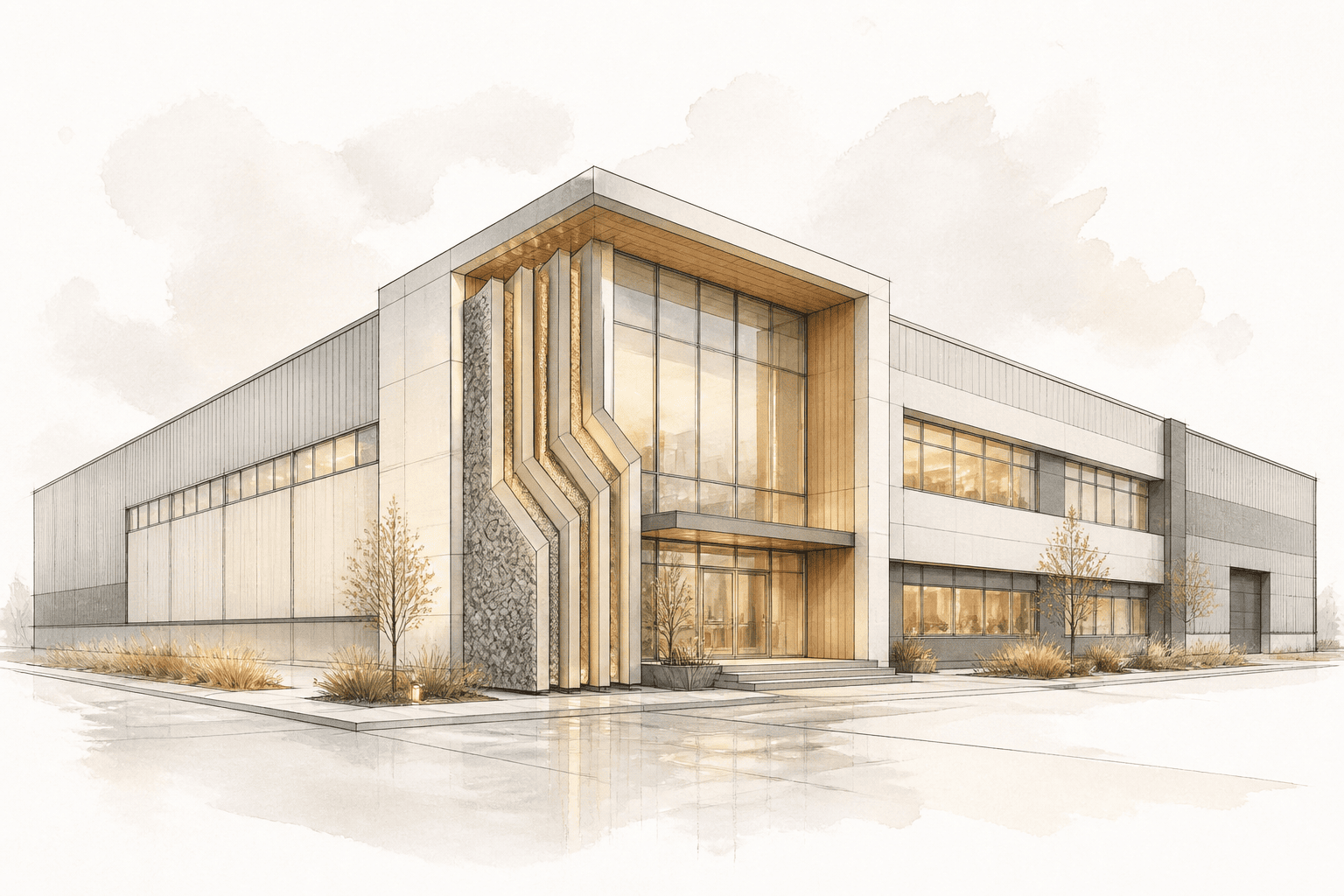
Light Steel Structure Plant Financial Model
Description
A complete financial model for a light steel structure manufacturing facility — from coiled galvanized steel intake to shipment of load-bearing wall panels, floor cassettes, and trusses. The plant serves residential, commercial, and industrial construction markets, combining a design office, cold roll-forming lines, automated assembly stations, and protective coating processes. The model captures the entire project lifecycle: pre-investment, equipment procurement, installation, ramp-up, and steady-state operations, making the interplay between technical configuration and financial outcome transparent.
The project-driven nature of LGS is at the core of the model. Each customer order is treated as a unique job with its own mix of profiles (studs, tracks, headers, bracing), detailing complexity, and engineering man-hours. This directly drives material consumption, roll-forming speed, panel assembly labor, and changeover downtime. The model moves beyond average kg-per-square-meter logic and breaks demand into profile-level material take-offs, enabling a precise cost buildup that reflects the true volatility of a make-to-order business.
Procurement of hot-dip galvanized coil is modeled with explicit inventory policies — safety stock, reorder points, and lead-time buffers — while integrating a steel index hedging mechanism. The pricing module ties contract values to a public steel benchmark, allowing users to simulate fixed-price, cost-plus, or hybrid agreements with floors and caps. This protects margin visibility and helps stress-test the order backlog against commodity cycles, a structural risk in long-term LGS supply agreements.
The investment phase is structured around the number and type of roll-forming lines (single, tandem, or universal cassette), overhead crane capacity, paint drying systems, and building dimensions. The model connects these choices to throughput, changeover frequency, and maintenance intervals, automatically shaping the cost structure. Scale and shift patterns can be adjusted, and the output clearly distinguishes between equipment-driven capacity limits and engineering office constraints, preventing an overestimation of effective output that plagues traditional templates.
Operational details often overlooked — forming roll wear, punch-tool replacement, scrap recovery from punching and cut-offs, and inter-stage buffers — are all embedded. These aren't cosmetic additions; they determine real production rhythm and rework costs. The result is a model that feels authentic to an experienced plant manager, where bottlenecks shift depending on the order book complexity and the operational calendar.
Modeling specifics
- Project-based order book with unique profile bills of materials: rejects flat kg-per-sqm and generates material demand at profile level, directly affecting take-off accuracy, scrap, and purchasing.
- Design-to-fabric interface with engineering man-hours: treats the design office as a constrained resource that gates production start; models queuing delays when complex projects consume disproportionate engineering hours.
- Steel-index linked contract pricing with floors/caps: prices per sqm of panel track a public steel benchmark with configurable lags and correlation thresholds, showing the true gross margin under different commodity scenarios.
- Multi-line production with profile-dependent cycle times and changeovers: each line’s output velocity varies by profile shape and thickness; changeover matrixes account for cassette swaps and thickness transitions, preventing over-reliance on max technical speed.
- Non-linear scrap generation: scrap percentage is a function of part complexity and punching/slitting schemes, not a fixed blanket rate, and the model includes a scrap recovery revenue stream.
- Capex granularity by production island: equipment is split into forming, cut-off, punching, assembly, and coating segments, each with its own indexation, maintenance reserve, and ramp-up curve, enabling partial line investments.
- Tooling and maintenance schedule with unplanned downtime risk: forming roll life and punch-tool wear are linked to production volume and profile complexity, feeding into a realistic OPEX and OEE forecast over time.
What's included in the base version
- Project intake funnel and backlog schedule (by project type and complexity rating).
- Design office staffing and workload model linked to project start dates.
- Profile-level bill of materials and dynamic coil consumption by production order.
- Multi-line roll-forming capacity planner with changeover logic and shift-based calendar.
- Raw material inventory model with safety stock, lead-time, and order frequency rules.
- Contract pricing module with steel-index escalation/de-escalation mechanisms.
- Capex schedule (equipment, overhead cranes, building, auxiliary systems) with ramp-up curve.
- Integrated 10-year monthly financial statements (P&L, Cash Flow, Balance Sheet) and key metrics (NPV, IRR, DSCR, liquidity ratios).
Common modeling mistakes
- Using a fixed steel consumption rate (kg/sqm) for the entire portfolio — underestimates material cost by 8–15% for heavy-duty or profilation-dense projects.
- Ignoring the design office as a bottleneck — overstates effective line throughput by 10–20%, while shortening the payback period unrealistically.
- Locking sales prices without a pass-through index for steel — inflates gross margin by 5–12 percentage points during sustained raw material upcycles.
- Calculating annual capacity solely by maximum roll-forming line speed without changeovers — overestimates output by 15–25% and creates an unachievable sales plan.
- Applying a uniform scrap percentage regardless of part complexity — underestimates material losses by 3–7%, overstating yield and cash conversion.
- Treating all profile types as equally fast to produce — mixes gross margin by 10–18% between simple and complex panels, leading to poor product mix decisions.