Long-shelf-life Toast and Molded Bread Plant Financial Model
Description
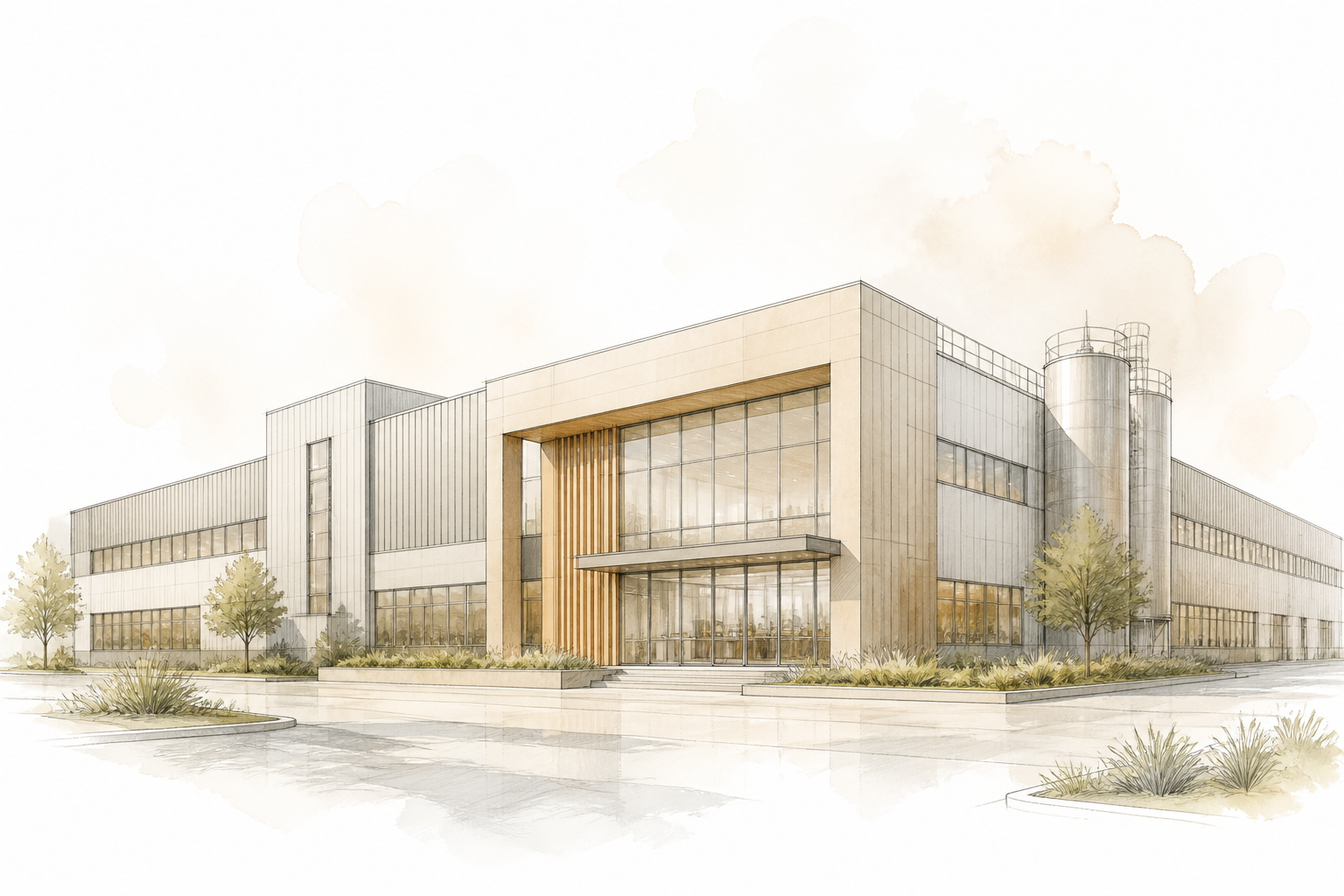
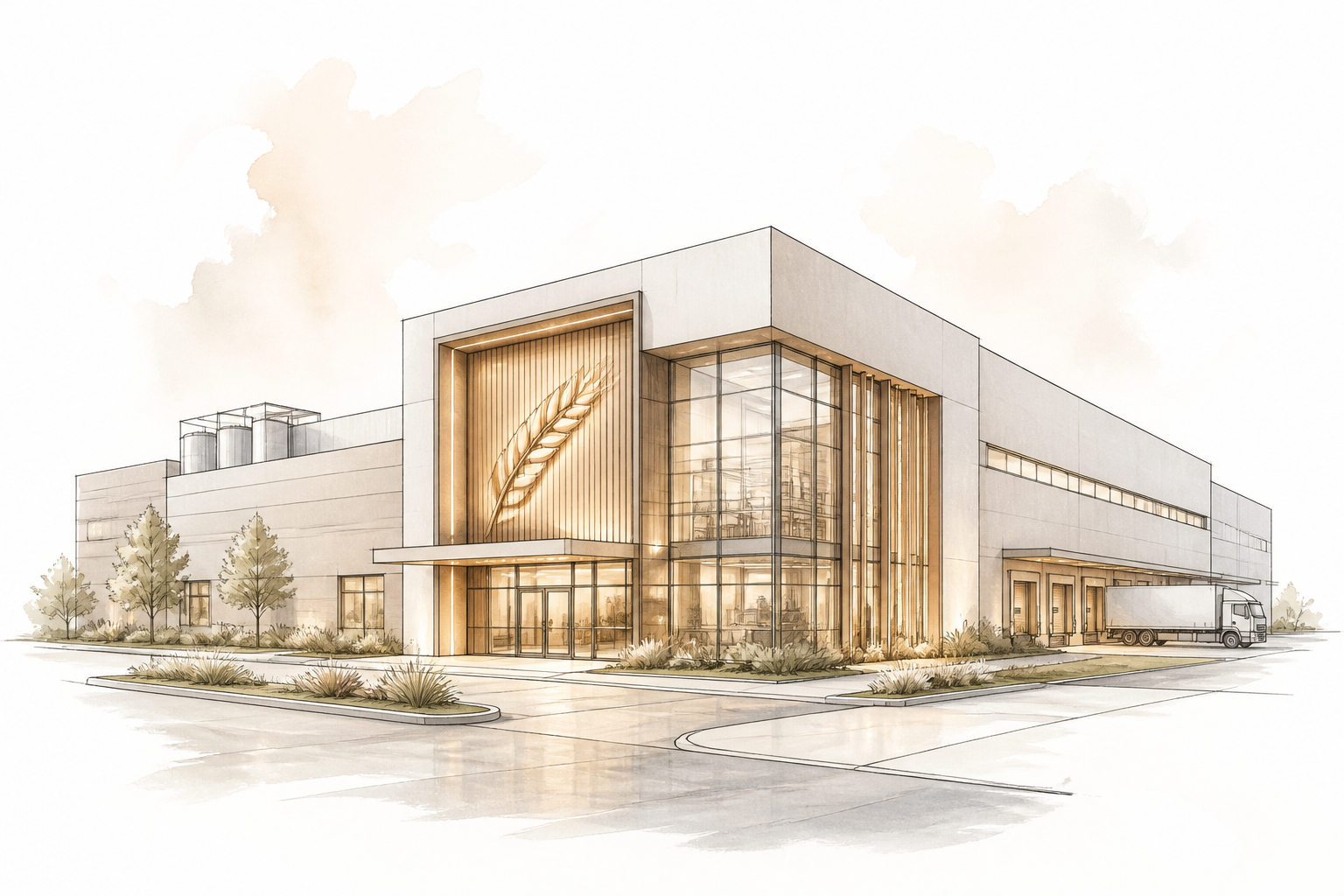
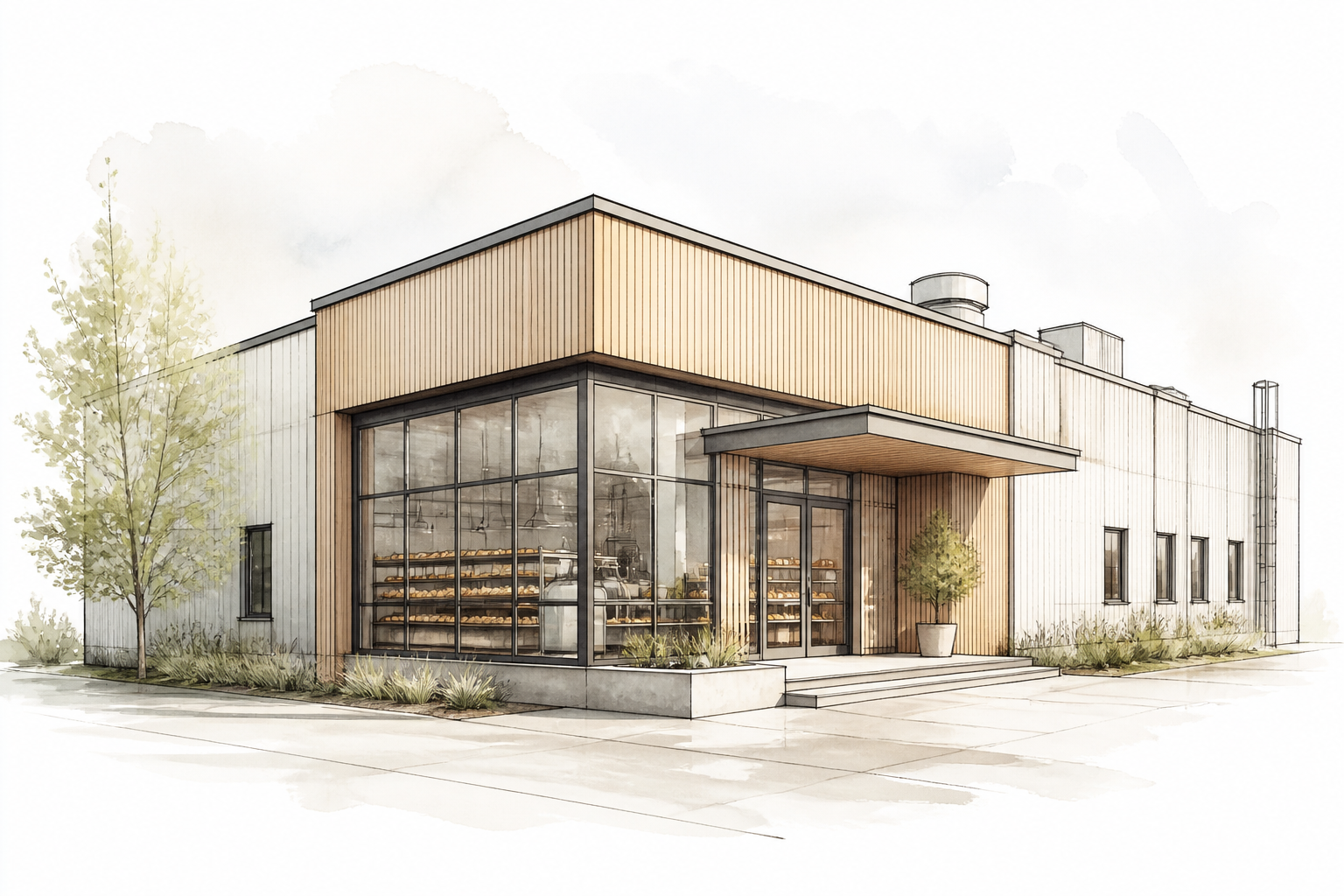
This model is built for a greenfield plant producing long-shelf-life sliced bread (toast and molded pan bread) with 30–90 day ambient stability using modified atmosphere packaging and preservative systems. It captures the full manufacturing flow — from flour silos to palletizing — including sponge-and-dough and straight-dough methods, automated proofing, tunnel/convection baking, high-speed slicing, and multi-format packaging.
Unlike standard bakery templates, the model inherently accounts for the economics of extended shelf life: MAP gas costs (N₂/CO₂ blends), high-barrier film consumption, ethyl alcohol or calcium propionate dosing, and microbiological stability testing. It segments revenue by fresh delivery and ambient storage, dynamically models shelf-life aging, and shows how inventory duration and credit terms influence working capital.
Capital expenditure is phased by production line, utilities (steam, compressed air, nitrogen generation), cold storage, and quality lab, with a compliance cost waterfall for FSMA/BRC certification. Distribution is modeled at SKU level with regional depots and third-party logistics options, capturing freight cost per pallet and delivery frequency — critical when a single rotation error can spoil a batch.
Modeling specifics
- Product-level bill of materials with recipe optimization for shelf-life extenders and functional ingredients
- MAP packaging line dynamics: gas blend consumption modeled per package format, including purge efficiency and leakage assumptions
- Multi-temperature warehousing and inventory aging engine that tracks production date to expiration and triggers markdowns or waste write-offs
- Production scheduling with SKU-specific changeover matrices (toast vs. molded, white vs. whole wheat), clean-in-place downtime, and lot size constraints
- Ramp-up curve with learning curve effect on line yield, throughput, and scrap rates during commissioning and early months
- Capex phasing with equipment installation, commissioning, and validation lead times per line, plus capitalised interest on construction loans
- Regulatory certification cost waterfall: pre-operational audits, annual renewal, swab/lab testing, and documentation compliance
- Working capital module capturing extended payment terms for modern retail, consignment stock at distribution centers, and raw material hedging deposits
What's included in the base version
- Fully integrated three-statement financial model (P&L, balance sheet, cash flow) on a monthly basis
- Capex schedule with detailed equipment list, installation costs, and depreciation by asset class
- Revenue model with SKU-level pricing, volume drivers, and seasonality curves
- Production cost card: recipe costing, direct labor, variable overhead, and packaging materials
- Variable and fixed staffing plan with shift patterns and productivity ratios
- Working capital assumptions: receivables, payables, raw material and finished goods inventory days
- Debt financing module: senior term loan, revolving credit facility, and interest calculation with grace periods
- Tax model covering VAT/sales tax (input/output), corporate income tax, and tax loss carryforwards
- Scenario manager for price, volume, raw material, and operating cost sensitivities with output summary
Common modeling mistakes
- Forecasting plant utilization at 100 % from month one without a ramp-up curve — overstates Year‑1 EBITDA by 20–30 % and hides startup working-capital strain
- Ignoring MAP gas flush costs and high-barrier film premium — understates packaging cost per loaf by 25–40 %, eroding gross margin on ambient-stable SKUs
- Treating all bread as fresh with zero returns or unsaleable waste — overstates net revenue by 5–15 % and masks true cost of shelf-life write-offs
- Assuming identical throughput and yield for toast and molded lines — leads to overstatement of capacity by 10–20 % and under-budgets specialized moulded-bread equipment
- Locking in flour prices for the full projection without basis risk or hedging lags — profit elasticity to wheat prices is completely unrepresented, making the model fragile to input volatility
- Bundling distribution costs as a single % of revenue — misses pallet-level freight economics, drop-size variability, and cold-chain surcharges, distorting trade-off between direct-store delivery and central warehousing