Metal Power Line Tower Plant Financial Model
Description
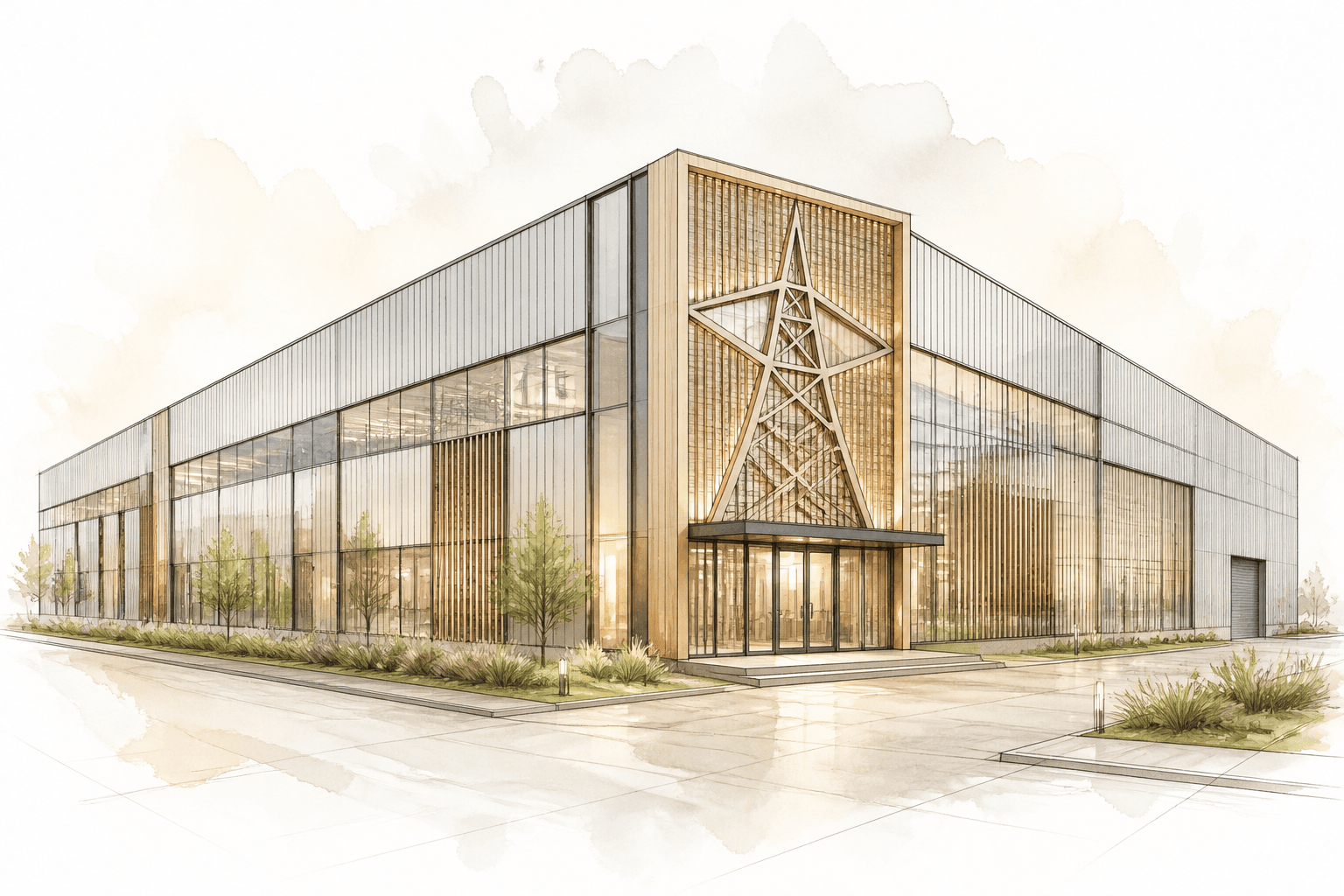
This model is built for an industrial facility specializing in the fabrication and coating of steel lattice towers for high-voltage overhead power lines. It captures the full production cycle — from raw material procurement (angle steel, plates, bolts) through cutting, drilling, bending, welding, and hot-dip galvanizing, to final testing and logistics. The structure reflects a project-driven order book, where each contract specifies tower types (suspension, tension, dead-end), quantities, technical requirements, and delivery schedules. Unlike a generic manufacturing template, it models the physical consumption of steel grades and zinc based on design parameters, allowing precise material cost forecasting as the product mix shifts.
The investment phase covers land, civil works, heavy equipment (CNC punching and drilling lines, welding stations, galvanizing kettle with pre-treatment lines), overhead cranes, and quality control labs. The phasing of CAPEX is tied to construction milestones, equipment installation, and the start of production. Operational ramp-up is modeled realistically, with learning curves affecting yield, scrap rates, and manpower efficiency during the first months. The model distinguishes between in-house galvanizing capacity and outsourced alternatives, capturing the capital-intensive nature and economies of scale of an own galvanizing line.
Revenue is driven by contracts with utilities and EPC companies, each with milestone-based payment terms (advance, upon shipment, upon erection). The financial model supports a multi-product bill of materials per contract, linking tower design specifications directly to material takeoffs and processing time. Variable costs are built bottom-up: steel and zinc at forecasted prices, consumables (welding wire, gases, chemicals), energy (electricity, natural gas for the kettle), and direct labor per ton. Fixed costs include preventive maintenance for furnaces and cranes, periodic kettle rebuilds, quality audits, and logistics for oversized loads. Working capital is detailed with separate inventories for raw steel, work-in-progress, and finished towers awaiting dispatch.
The model is designed to test scenarios around plant scale (tons per annum), product mix complexity (lighter vs. heavier towers), degree of automation, and make-or-buy decisions for galvanizing. It generates full financial statements (monthly P&L, cash flow, balance sheet) over a 10–15-year horizon, along with lender-ready outputs like DSCR and LLCR under different debt structures. Sensitivity analysis covers steel price volatility, zinc premium fluctuations, capacity utilization, and payment delays, giving a clear picture of risk buffers.
With this tool, an investor or plant manager can assess the viability of a greenfield facility or the expansion of an existing workshop. It translates engineering parameters into financial outcomes, making it straightforward to answer questions like: What is the minimum order backlog needed to break even? How does adding a second welding shift affect marginal cost? What happens if galvanizing is kept in-house versus outsourced at different throughputs? The model’s architecture separates assumptions, calculations, and outputs, so users can adapt it to their own country, tariff codes, and tax regime without rebuilding the logic.
Modeling specifics
- Bill of materials engine that converts tower type and height into exact consumption of angle steel, plates, bolts, and zinc, rather than using a flat "ton of steel per ton of tower" ratio.
- Separate modeling of the galvanizing line with its own capacity constraints, kettle zinc bath maintenance cycles, and energy profile — because the coating stage often becomes the throughput bottleneck.
- Production scheduling logic that allocates shop floor hours per tower family, accounting for different fabrication times and set-up changes between batches, preventing overbooking of capacity.
- Contract-based revenue recognition with multiple payment milestones (advance, FOT, installation) and retention money, giving a real cash flow profile typical for the transmission tower industry.
- Scrap and excess material recovery loop — offcuts from angle steel and plates are sold as scrap or re-melt feedstock, reducing net material cost and requiring a separate calculation of yield.
- Detailed modeling of oversized/overweight logistics: transport costs are calculated per tower piece considering route restrictions, escort vehicles, and destination, as logistics often exceeds 10% of product cost.
- Multi-currency capability for projects where steel is purchased in USD, labor paid in local currency, and contracts priced in a third currency, with built-in FX pass-through and hedge accounting.
- Environmental and compliance cost module that tracks waste acid regeneration, filter cake disposal, and emission limits tied to galvanizing operations, preventing understatement of long-term fixed costs.
What's included in the base version
- Full financial statements (monthly P&L, cash flow, balance sheet) for 10 years
- CAPEX schedule with civil works, equipment, and installation phasing
- Production plan by tonnage and product type with capacity calculations
- Revenue model based on contract backlog and average pricing per ton
- Variable cost blocks: raw materials, labor, energy, consumables
- Fixed cost blocks: salaries, maintenance, quality control, SG&A
- Working capital simulation with inventory, receivables, and payables
- Debt financing structure with sculpted repayments and covenant tracking
- Sensitivity tables for steel price, zinc cost, utilization, and payment terms
- Dashboard with key KPIs: EBITDA margin, DSCR, IRR, payback period
Common modeling mistakes
- Ignoring scrap generation and relying on a flat material yield — underestimates steel cost by 8–12% and misses scrap revenue which can offset 3–5% of raw material expense.
- Modeling all tower types with the same fabrication hours per ton — overstates plant capacity by 15–25% because heavier, complex towers consume disproportionately more shop time.
- Assuming the galvanizing line always keeps pace with fabrication output — creates a hidden bottleneck that delays shipments and requires costly outsourcing, reducing project IRR by 2–4 percentage points.
- Using a constant zinc price without a premium/discount mechanism — galvanizing cost misprediction cumulates to 10–18% error over five years as zinc prices are highly volatile.
- Omitting oversized transport surcharges and escort requirements — delivery cost can be underestimated by 20–30%, especially for taller towers with wide bases.
- Recognizing revenue fully at factory shipment rather than following contract milestones — inflates early cash inflow and masks working capital stress from retention money, overstating liquidity by 25–35% in the first two years.