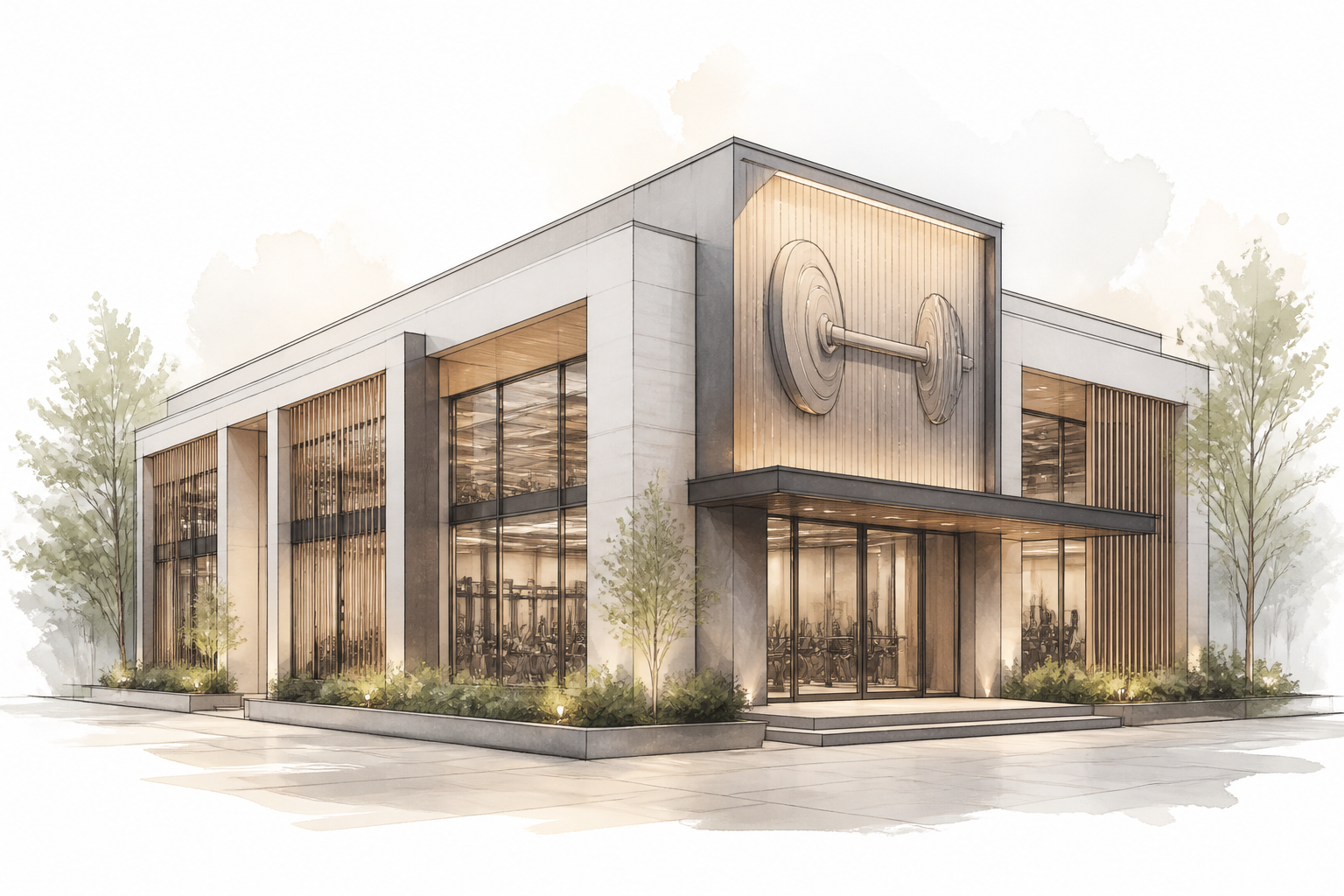
Powerlifting / Weightlifting / Bodybuilding Gym Financial Model
Description
The model captures the unique operational and revenue dynamics of a dedicated powerlifting, weightlifting, and bodybuilding gym, where membership is structured around training zones – open gym, platform/rack allocation, and coaching-led sessions. It models capacity management based on the physical number of lifting stations, peak-hour utilization limits, and waitlist conversion, preventing the common oversimplification that assumes all members train uniformly.
A dedicated competition event module models the economics of hosting powerlifting meets, weightlifting competitions, and strongman events. Revenue streams include lifter entry fees, spectator tickets, concessions, and sponsorship tiers, while costs cover judge/volunteer staffing, equipment setup, and venue preparation. The model allows varying event frequency and scales attendance realistically from inaugural to established events.
Equipment procurement is a substantial capital and operational item – the model compares leasing vs. outright purchase for specialized barbells, calibrated plates, power racks, and platforms, with a direct link to depreciation or lease expense. It also incorporates periodic replacement cycles based on usage intensity, rather than simplistic straight-line schedules. Retail sales of supplements, apparel, and accessories are included, with inventory turn drivers that reflect the gym's footfall and member demographics. Total initial investment usually sits in the $200k–$600k range for a well-equipped mid-sized facility; the model provides a framework to stress-test your specific build-out and soft-cost assumptions, not a one-size-fits-all number.
Modeling specifics
- Hourly occupancy-driven capacity management: maximum trainees allowed at any one time is limited by the number of racks, platforms, and dedicated deadlift areas; the model automatically cuts off membership sales when peak-hour capacity is reached, avoiding inflated revenue forecasts.
- Multi-tier membership architecture with contract length, freeze/hold rules, and commitment discounts, plus distinct churn rates per tier – essential because a bodybuilding competitor on a 12-month contract behaves very differently from a month-to-month powerlifting drop-in.
- Competition event P&L with separate blocks for lifter registration fees, spectator tickets, on-site concession revenue, and tiered sponsorship; models the ramp-up in participation and attendance over successive events.
- Specialized equipment lifecycle and replacement scheduling: barbells, competition plates, and platform surfaces have finite useful lives under heavy use (typically 12–24 months for high-end bars) and are replaced on a usage-cycle basis, not just accounting depreciation.
- Coaching payroll dynamically linked to personal training sessions, small-group classes, and seminar hours – both utilization rates and trainer commission/rate tiers drive labor cost, preventing flat headcount assumptions.
- Seasonal and peak/off-peak modifiers for membership sign-ups, cancellations, utility consumption, and coaching demand, so cash flow reflects the January surge and summer lull without requiring constant manual override.
- Lease-vs-buy toggle for major equipment categories, with separate financing lines for equipment loans, enabling a like-for-like comparison of cash flow impact and return on capital.
What's included in the base version
- Executive Dashboard with key KPIs and break-even visualization
- Fully integrated 3-statement model (monthly P&L, Cash Flow, Balance Sheet)
- Membership module by tier with churn, freeze, and pricing assumptions
- Personal training, group class, and seminar revenue with linked coaching payroll
- Competition event P&L (entry fees, tickets, concessions, sponsorship)
- Retail/supplement sales and inventory management
- CAPEX schedule for gym fit-out, equipment, and IT, with lease-vs-purchase toggle
- Staffing plan (front desk, management, cleaning, salaried coaches)
- Operating expenses (rent, utilities, marketing, maintenance, insurance)
- Financing structure (equity injections, bank loan, equipment lease)
- Scenario manager with 3 base cases and sensitivity tables for membership, pricing, and occupancy
Common modeling mistakes
- Assuming unlimited member capacity during peak hours – actual limits imposed by platform/rack count can reduce effective maximum membership by 25–40%, leading to significantly overstated revenue.
- Depreciating specialized bars and platforms on a 5–10 year straight-line basis – under heavy daily use they require replacement every 1–2 years, so neglecting this understates maintenance CAPEX and can inflate EBITDA by 10–15%.
- Treating competition events as fully established from day one – early events often have 30–50% lower participation and spectator turnout, so applying mature attendance figures to the first year overstates event-related revenue.
- Pegging coaching payroll to a fixed monthly salary rather than per-session compensation – if trainers are paid by the hour or session, overhead can spike with demand, making flat headcount models understate labor cost by 20–30%.
- Ignoring seasonal membership dynamics – assuming constant monthly joiners and no summer drop can disguise cash flow troughs and lead to underestimation of working capital needs by up to 1–2 months of operating expenses.