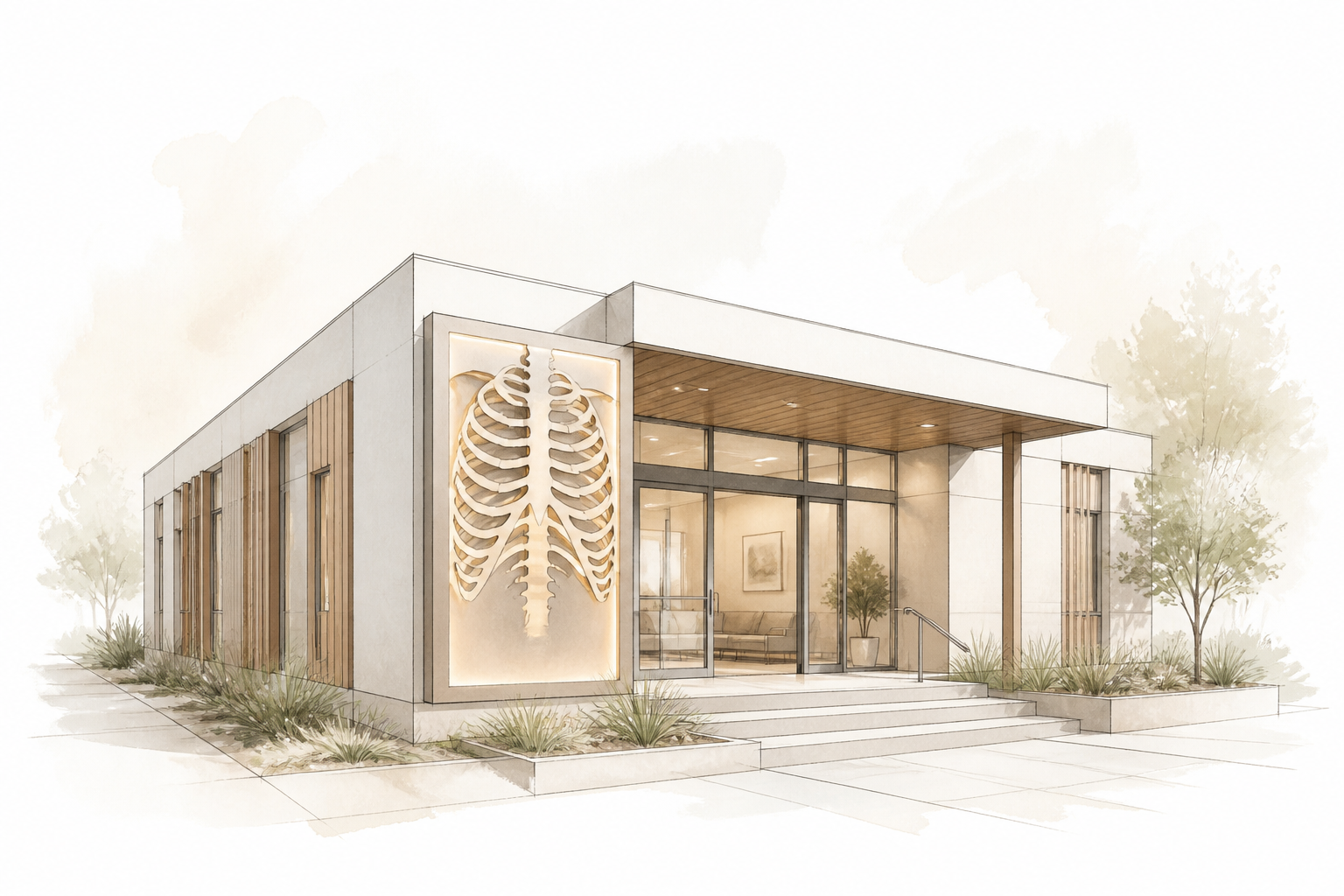
Stationary Mammography Suite Financial Model
Description
This financial model is built specifically for a stationary mammography suite—a dedicated breast imaging center offering screening and diagnostic mammography, often complemented by breast ultrasound and stereotactic biopsy. The template captures the real-world complexity of transitioning from 2D to 3D tomosynthesis, the distinct scheduling and reimbursement profiles of screening versus diagnostic exams, and the operational cadence of a facility that must balance high patient throughput with strict image quality and compliance standards.
On the revenue side, the model unpacks the often-misunderstood payer mix and coding logic. Instead of a single average reimbursement rate, it distinguishes between global billing, split technical/professional components, and the contractual adjustments that private payers apply. It models the gradual shift from 2D to 3D exams year by year, reflecting how a suite’s average reimbursement per exam evolves as the 3D screening share grows—a dynamic that flat-rate templates completely miss.
The cost structure goes far beyond a simple percentage of revenue. It accounts for the capital replacement cycle of x-ray tubes, service contract tiers tied to equipment age, technologist productivity limits that create step-costs in staffing, and the ongoing demands of MQSA/ACR accreditation. Total investment requirements, while shown through illustrative numbers to convey the order of magnitude, can be aligned to any real project’s equipment list and construction budget.
Modeling specifics
- Differentiates between screening and diagnostic mammography exams with distinct duration, scheduling logic, and reimbursement codes—preventing the common conflation that distorts both capacity and revenue.
- Models the 2D-to-3D tomosynthesis adoption ramp, allowing users to set year-over-year growth of 3D screening share and automatically updating procedure-mix revenue and associated technical costs.
- Tracks the technologist bottleneck explicitly: calculates maximum daily throughput per technologist and triggers incremental hires when volume passes thresholds, avoiding unrealistic linear staffing assumptions.
- Splits technical and professional components of reimbursement per code, with separate fee schedules by payer—essential when the suite owns the equipment but radiologists bill independently or via a per-study contract.
- Incorporates recall and additional-view logic: a fraction of screening patients generate additional imaging on the same day, consuming unscheduled machine time and adding complexity to daily slot planning.
- Builds equipment lifecycle costs year by year, including scheduled x-ray tube replacement cycles and variable service contract rates that step up post-warranty, preventing understatement of maintenance by applying a constant percentage.
What's included in the base version
- Assumptions Dashboard (exam volume, payer mix, hours of operation, modality split, staffing ratios)
- Exam Volume & Mix Module (screening vs diagnostic, 2D vs 3D tomo, additional views, biopsy, ultrasound)
- Payer Mix & Reimbursement Schedules (global and split technical/professional billing by CPT code)
- Staffing Plan (technologists, front desk, administrators, with productivity caps and overtime logic)
- Operating Expense Builder (service contracts, tube replacement, rent, supplies, marketing, compliance, insurance)
- Capital Expenditure Schedule (equipment, build-out, initial working capital, pre-opening ramp)
- Integrated Financial Statements (P&L, Cash Flow, Balance Sheet, with monthly granularity)
- Investment Analysis Summary (IRR, NPV, payback period, DSCR for financed scenarios)
- Top-Down Sensitivity Tables (exam volume, 3D adoption speed, payer contract rate changes)
Common modeling mistakes
- Not distinguishing screening from diagnostic exam durations and slot allocations—overestimates daily patient throughput by 15–25%, making the suite appear significantly more productive than physically possible.
- Applying a single blended reimbursement rate per mammogram—ignores that screening 3D tomo reimbursements can be 20–30% higher than 2D, leading to undervaluation of revenue from a 3D transition.
- Ignoring the recall rate and same-day additional imaging—unplanned add-on exams occupy 10–15% of machine time that the base schedule does not account for, creating a hidden capacity erosion.
- Treating technologist headcount as a linear function of annual exams—fails to recognize daily throughput limits, which can overstate achievable volume by two to three patients per day per technologist, compounding into a 5–10% revenue overstatement.
- Assuming all payers allow global billing and the suite keeps the full amount—when radiologists are independent, the professional component (often 35–40% of the global fee) must be excluded from suite revenue, a mistake that can inflate top-line by double-digit percentages.