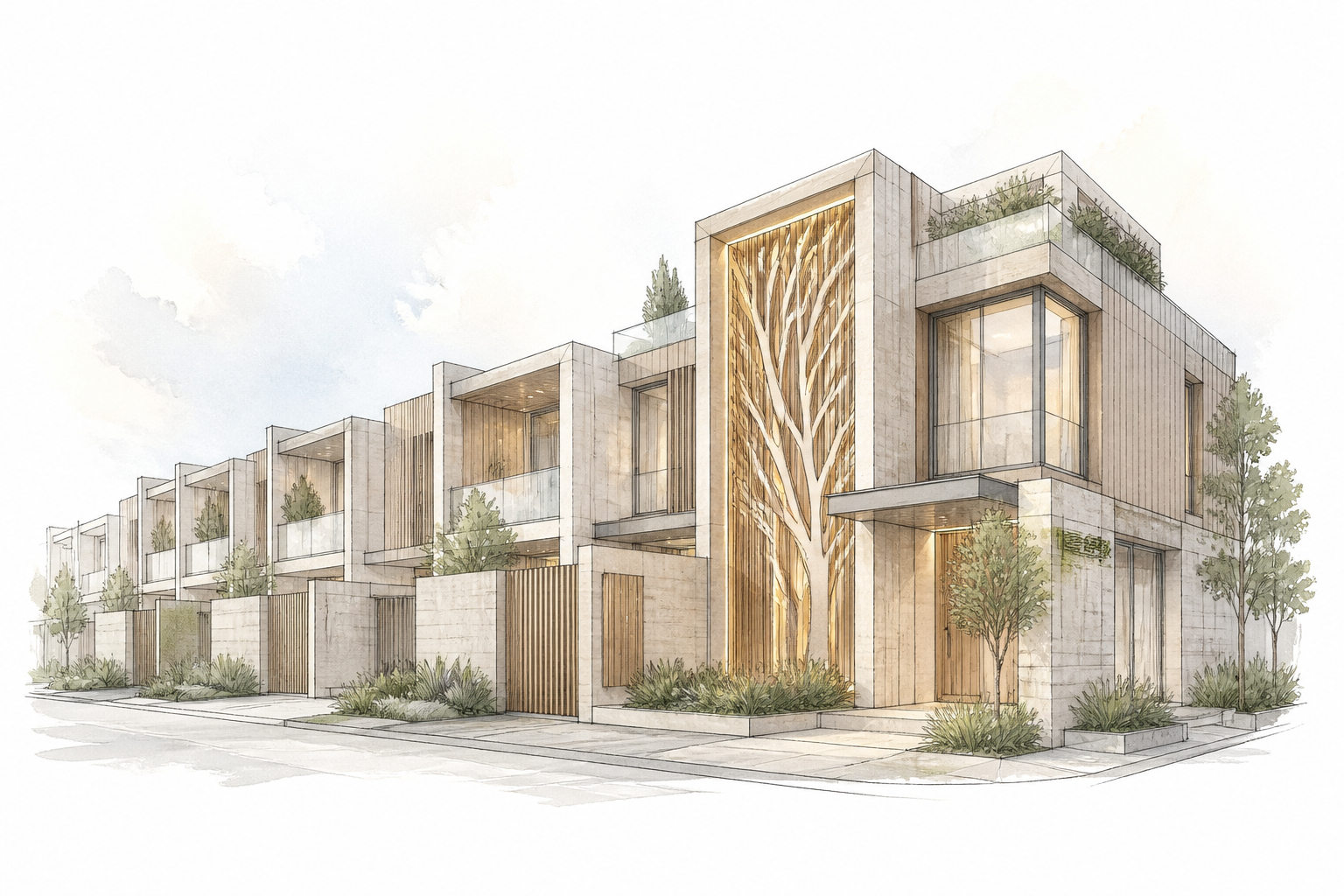
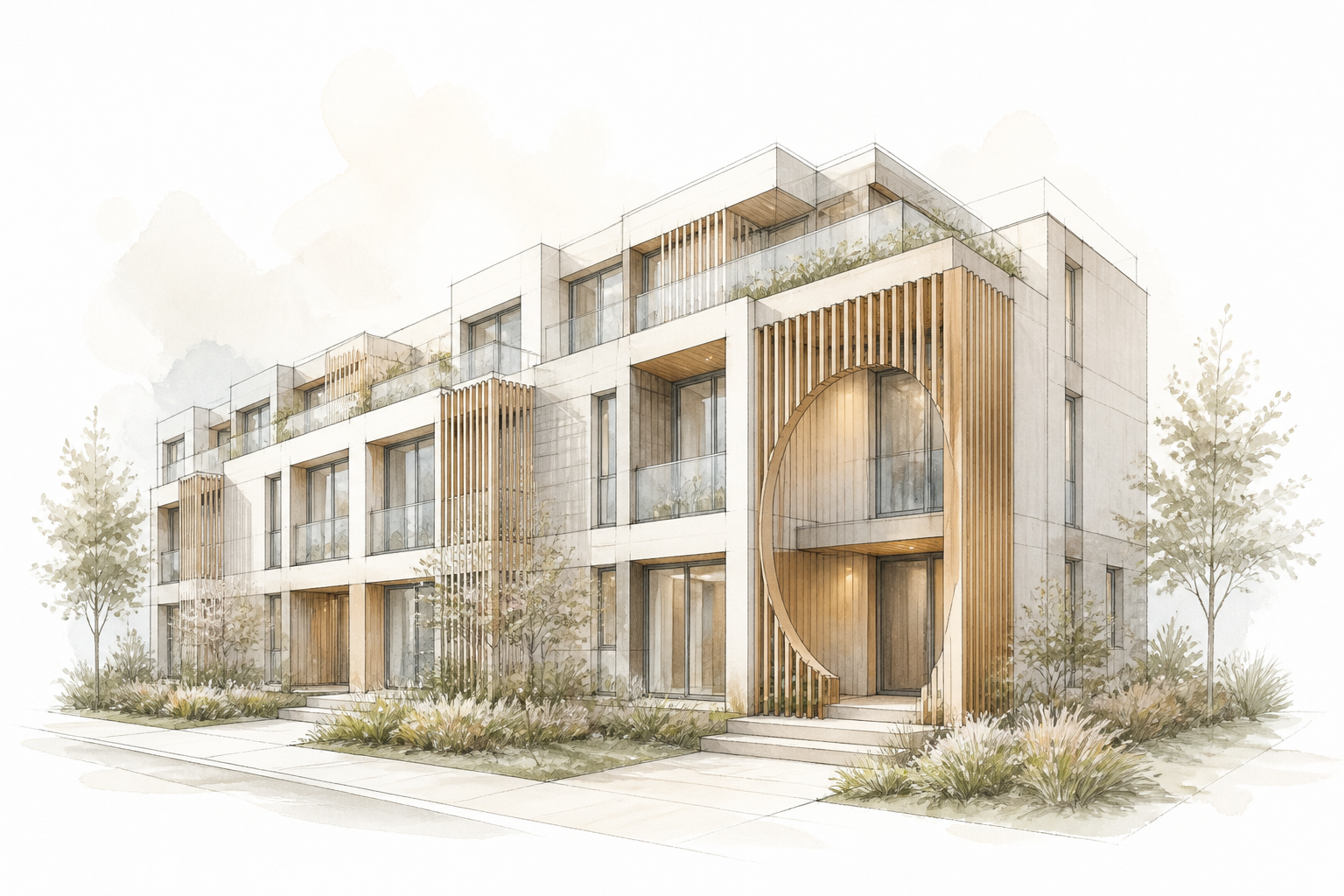
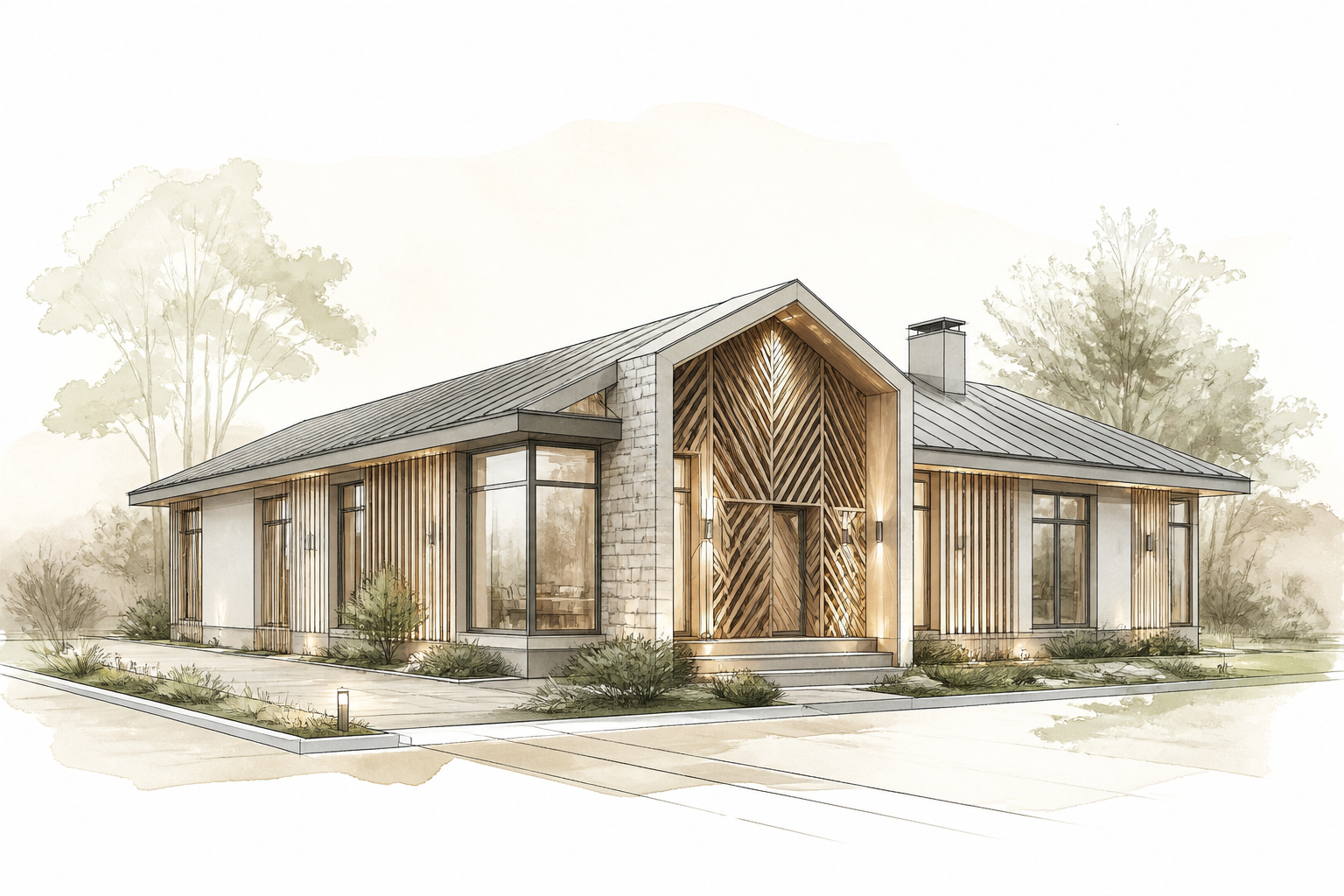
Vacation / Second-home Resort Development Financial Model
Description
This model is built for developers planning a mixed-use vacation or second-home resort community, where units are sold as whole ownership, fractional interests, or placed into a professionally managed rental pool. It captures the entire lifecycle from land acquisition and phased construction through sell-out and stabilized operations.
The structure simultaneously tracks multiple product types across several construction phases, each with distinct pricing, absorption rates, payment schedules, and buyer profiles. It accounts for pre-sales milestones that unlock construction financing, as well as the complexities of fractional deeding, usage calendars, and owner revenue-sharing rules.
A dedicated rental operations module simulates seasonal demand, occupancy by unit type, nightly rates, management fees, and housekeeping costs. It correctly allocates rental income between the developer (unsold units or developer-retained participation) and individual owners, and reflects the interplay between sales absorption and available rental inventory.
The model also handles shared infrastructure costs, HOA formation and fee structures, property tax phasing, and multi-tier return waterfalls for joint ventures or equity partners. All of this is presented in a logic that lets the user adjust key drivers and instantly see impacts on project-level IRR, equity returns, and sell-out timeline.
Modeling specifics
- Multi-phase construction schedule with flexible sequencing of villa/condo types, infrastructure, and amenities — each phase can have its own start, duration, and cost allocation.
- Fractional ownership modeling: tracks fractional shares per unit, usage rotation, reservation priorities, and revenue distribution after management costs, capturing the true economic benefit to developer and owners.
- Integrated whole-unit sales and rental pool dynamics: units can transition from developer inventory to sold or into the rental pool, automatically adjusting rental availability, owner payouts, and developer cash flows.
- Pre-sales and deposit waterfall: models buyer payment milestones (reservation, contract, construction draws, delivery) with probabilities of default, impacting cash inflows and financing needs.
- Seasonality engine: applies monthly seasonality curves to rental demand, average daily rates, and sales velocity, preventing oversimplified annual averages.
- HOA and common area cost module: phases in operating expenses as common amenities open and ownership transfer occurs, allocating costs per unit, per square foot, or per share.
- Multi-tiered capital stack with flexible equity, mezzanine, and senior debt, including construction-to-permanent loan conversions, interest-only periods, and cash sweeps.
- Sensitivity tables for key risk factors: construction cost overruns, sales pace delays, rental rate declines, and exit cap rate variation.
What's included in the base version
- Assumptions dashboard with all key inputs categorized by construction, sales, rental, and financing.
- Unit mix and product matrix defining types, areas, fractional splits, and initial pricing.
- Phased construction cost sheet (hard costs, soft costs, FF&E, contingency) linked to schedule.
- Whole-unit and fractional sales schedule with absorption curves, price escalation, and payment plan.
- Rental operations model with monthly occupancy, ADR, management fees, and housekeeping.
- Annual operating expense build-up, including HOA subsidy pre-sellout.
- Financing module: senior and mezzanine debt, refinancing, interest and principal repayment.
- Monthly cash flow waterfall for project and equity (post-debt service, distributions).
- Project and equity IRR, NPV, return multiples, and traditional real estate metrics (yield on cost, development spread).
- Dynamic summary dashboard with key charts and sell-out timeline tracker.
Common modeling mistakes
- Applying a single annual sales pace without seasonal adjustment — can overstate early-period cash flow by 25–35%, as resort markets exhibit strong seasonal buying patterns.
- Treating all fractional shares as equivalent to whole-unit sales on a price-per-square-foot basis — overvalues fractional revenue by 10–20% due to admin, marketing, and legal costs per interest.
- Neglecting the interaction between rental inventory and unsold units: assuming all units generate full rental income while still actively marketed for sale — overstates first-year rental revenue by 15–25%.
- Delaying HOA and common area expense recognition until full sell-out — understates early operating deficits by 20–40%, materially inflating pre-sellout cash position.
- Using a flat exit cap rate without stress-testing for rising interest rates or market softening — can overstate terminal value and equity IRR by several percentage points.