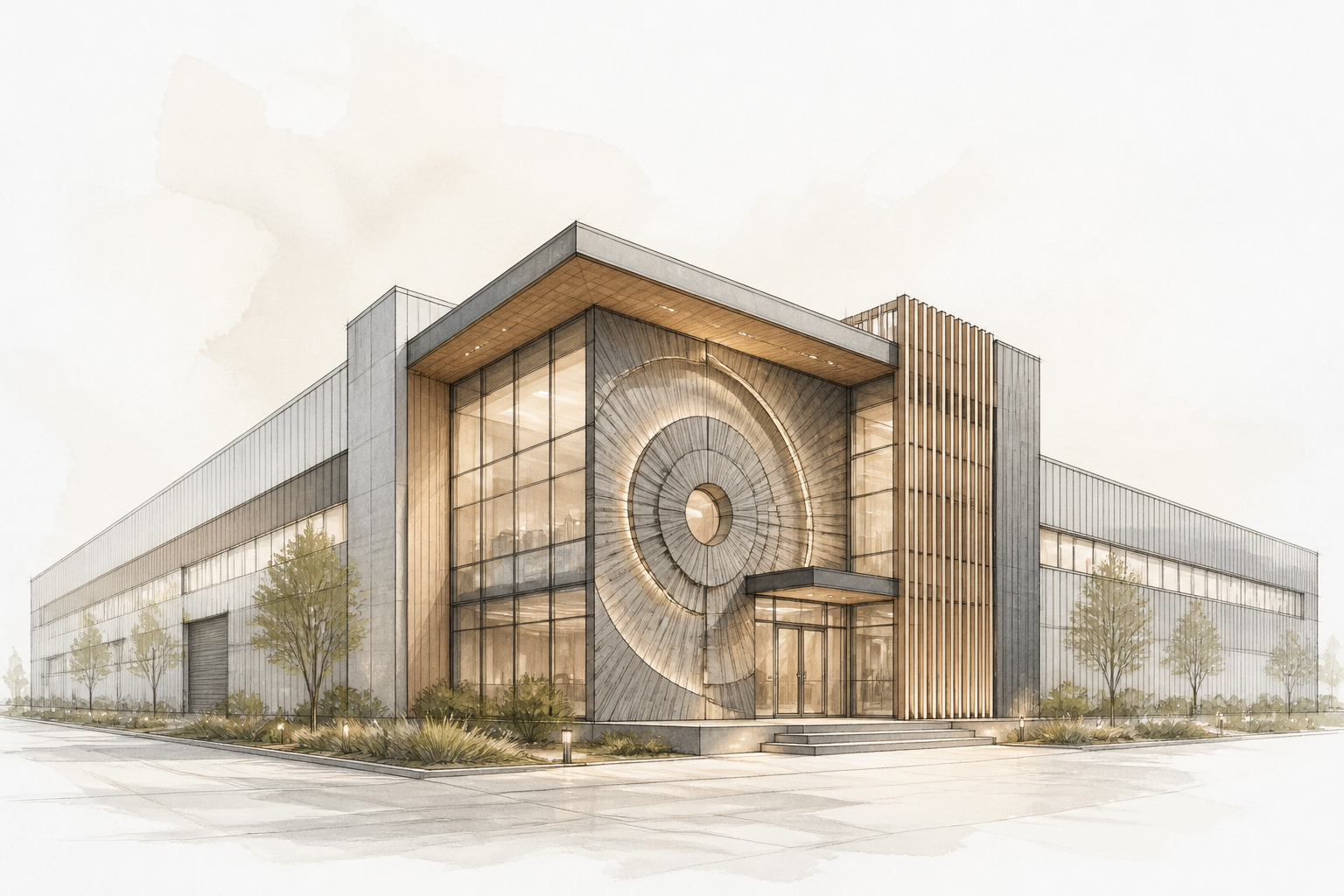
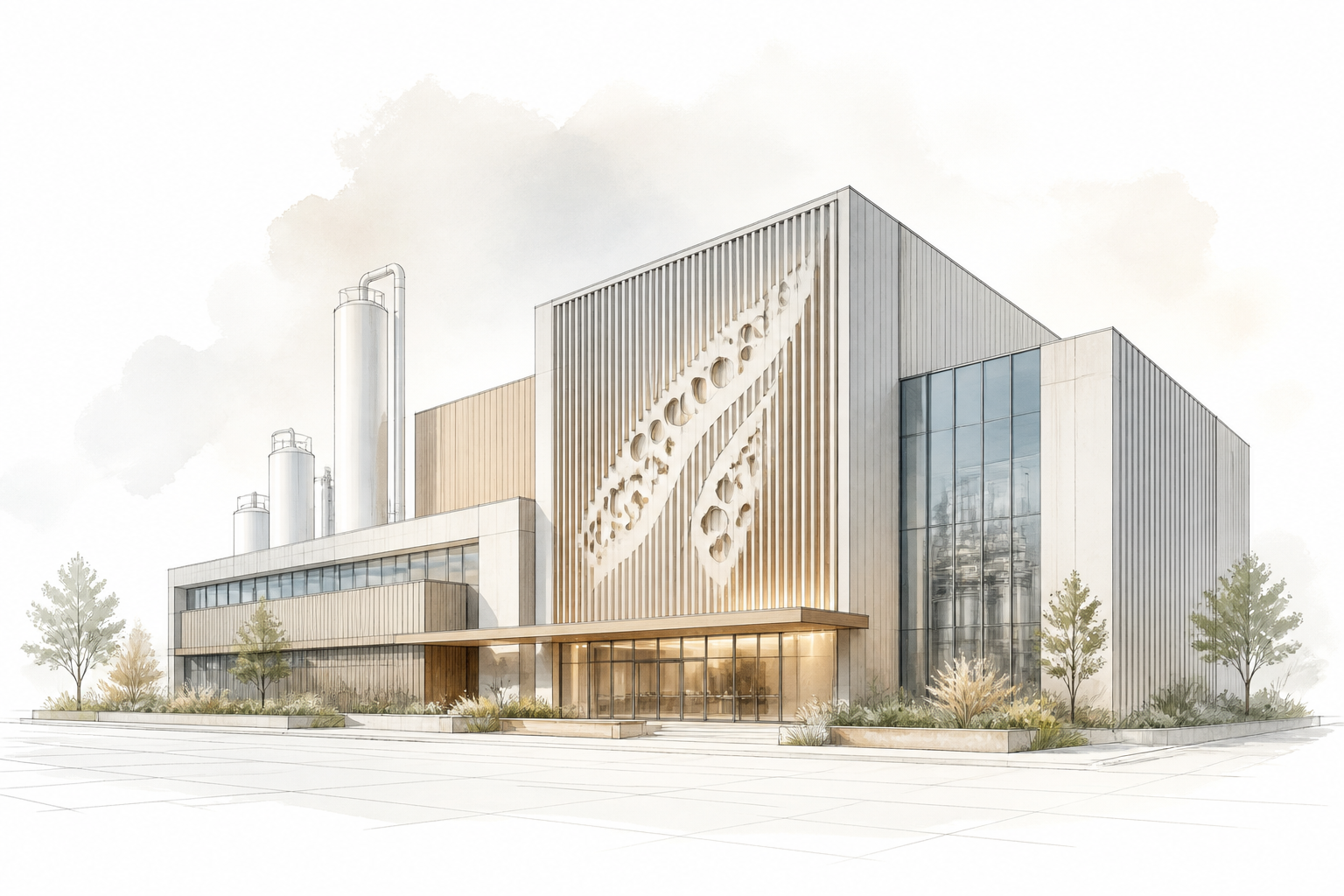
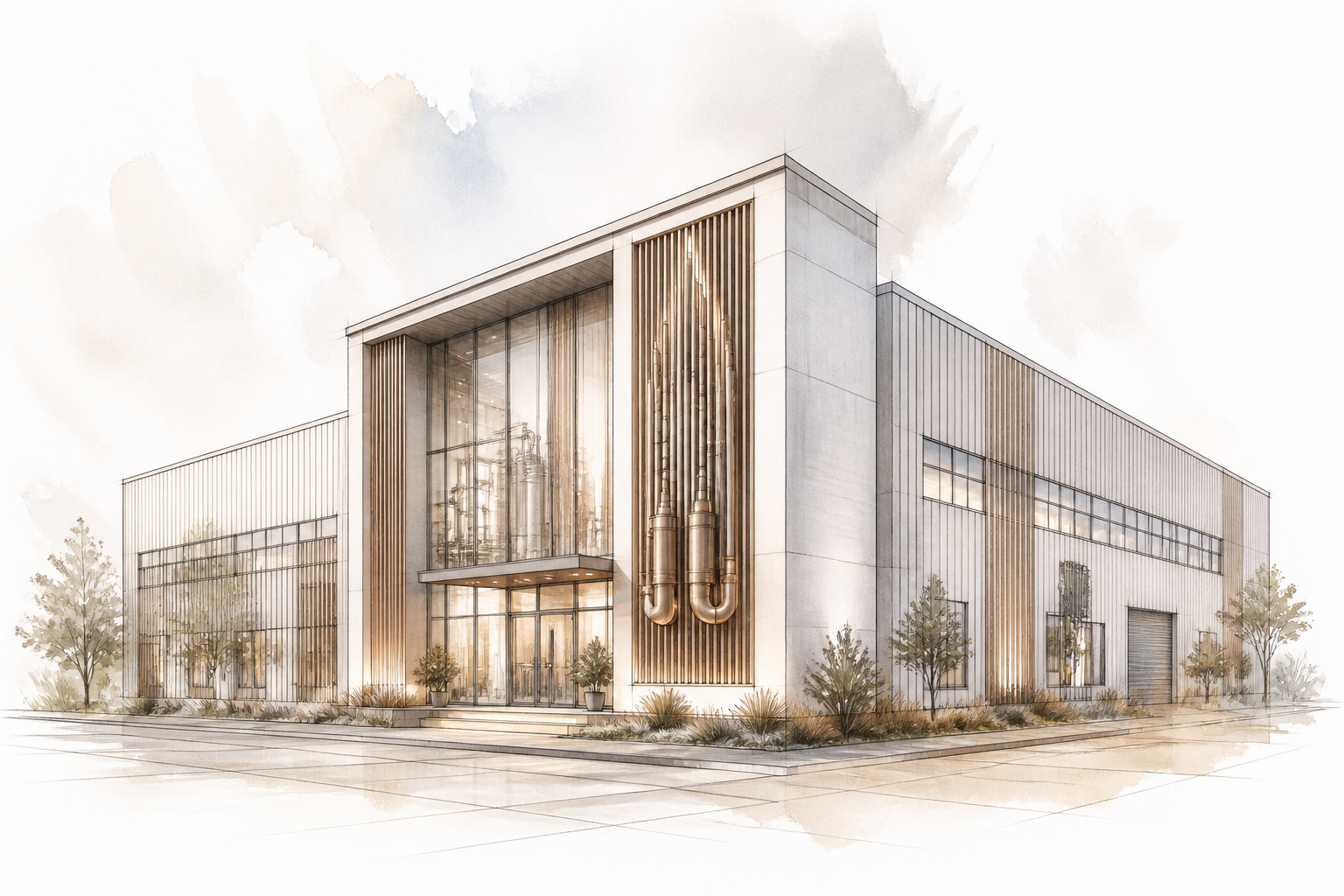
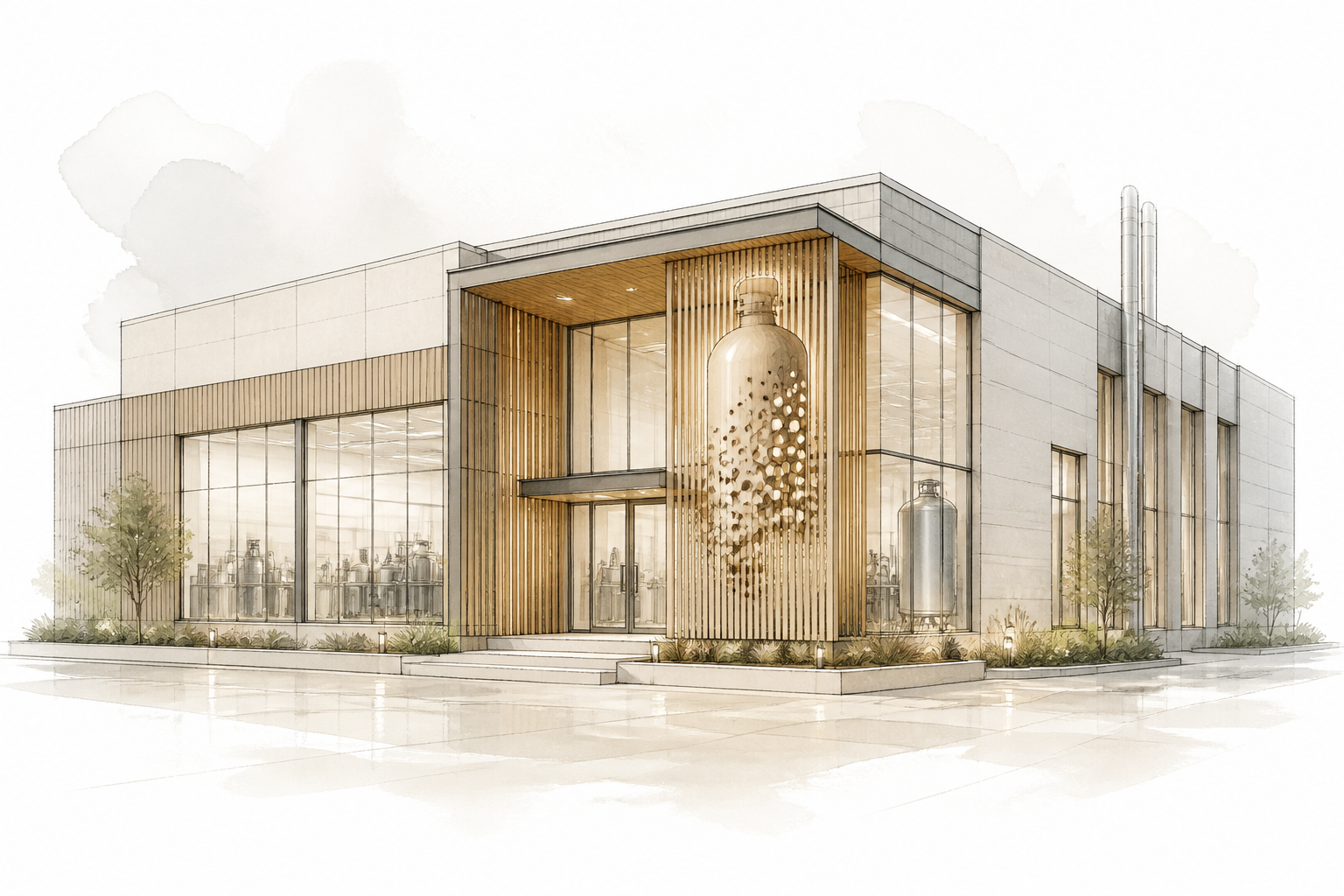
Abrasive and Grinding Wheel Plant Financial Model
Description
The model covers a full-cycle production facility for abrasive and grinding wheels (vitrified, resin, and rubber bonds). It is built for medium-scale operations but can be scaled for smaller or larger plants. The capital expenditure framework includes detailed equipment lists (hydraulic presses, curing ovens, kilns, mixers, balancing machines) and infrastructure, reflecting typical order-of-magnitude costs for such assets.
Production planning is core: the model simulates multi-bond, multi-size batch production with curing cycle time constraints, kiln loading patterns, and work-in-progress queues. It accounts for material yield loss by wheel type and bond, scrap rates dependent on curing parameters, and quality inspection stages (visual, dynamic balancing, speed testing). This ensures capacity is not overstated by ignoring physical bottlenecks.
Revenue logic segments sales by bond technology, wheel dimensions, grit grade, and reinforcement type, with contract-based vs spot pricing. Direct costs are driven by detailed material recipes (abrasive grains, bonding agents, fillers, reinforcement rings) and energy consumption (kiln firing profiles, curing cycles). Indirect costs include maintenance contracts, tooling wear, and laboratory quality control.
Operating expenses are modeled with production shift configurations, direct and indirect staffing, and waste disposal costs. The model also captures working capital dynamics: raw material lead times, safety stock levels, finished goods turnover, and customer payment terms. A discount factor sensitivity and scenario manager allow stress-testing against raw material price spikes and demand fluctuations.
Modeling specifics
- Production capacity calculated per bond type based on curing/kiln cycle times and batch sizes, rather than simple throughput numbers.
- Material recipe-driven cost modeling, with blending logic for abrasive grain, bonding agent, and filler proportions per product SKU.
- Variable scrap rates and yield loss curves tied to wheel diameter, bond type, and curing parameters, reflecting real-world process variability.
- Energy consumption modeling linked to kiln firing schedules, including peak/off-peak load profiles and demand charges.
- Tooling and mold replacement schedules integrated into maintenance CapEx, preventing understatement of sustaining capital.
- Scheduling of production batches with changeover times between different wheel specifications, avoiding unrealistic continuous runs.
- Inventory management with raw material reorder points, safety stock, and shelf-life constraints for certain bonding agents.
- Multi-tier sales pricing logic with volume discounts, export price markups, and customer-specific contract terms.
What's included in the base version
- Assumptions dashboard and scenario selector
- Equipment and infrastructure CapEx with depreciation schedule
- Production capacity model with multi-bond, multi-size batch scheduling and WIP constraints
- Bill of materials and recipe-based raw material consumption
- Direct and indirect personnel plan with shift allocation
- Manufacturing overhead (maintenance, tooling, quality lab, waste disposal)
- Revenue forecast with product mix, price lists, and contract percentages
- Income statement, cash flow statement, and balance sheet
- Financial ratios and investment metrics (NPV, IRR, payback)
- Sensitivity analysis (tornado and spider) on key drivers: raw material cost, energy, selling price
Common modeling mistakes
- Ignoring curing cycle time constraints and batch size limitations → production volume overestimated by 20–30%, leading to inflated revenue and understated unit cost.
- Using a single average scrap rate instead of bond- and diameter-specific yield loss → overestimation of finished goods output by 10–15%, particularly for vitrified large wheels.
- Modeling energy costs as a flat percentage of revenue rather than linking to kiln firing profiles → energy expense underestimated by 15–25% in high-volume scenarios.
- Omitting tooling and mold replacement costs as part of sustaining capex → underestimates total investment by 5–10%, making IRR look more attractive.
- Booking raw material cost at spot prices without safety stock and supplier lead-time premiums → raw material expense understated by 5–8%, especially for imported grains.
- Assuming straight-line depreciation for kilns and ovens without accounting for refractory relining capex → distorts profitability in later periods and free cash flow.