Thermal SPA and Aqua Center Financial Model
Description
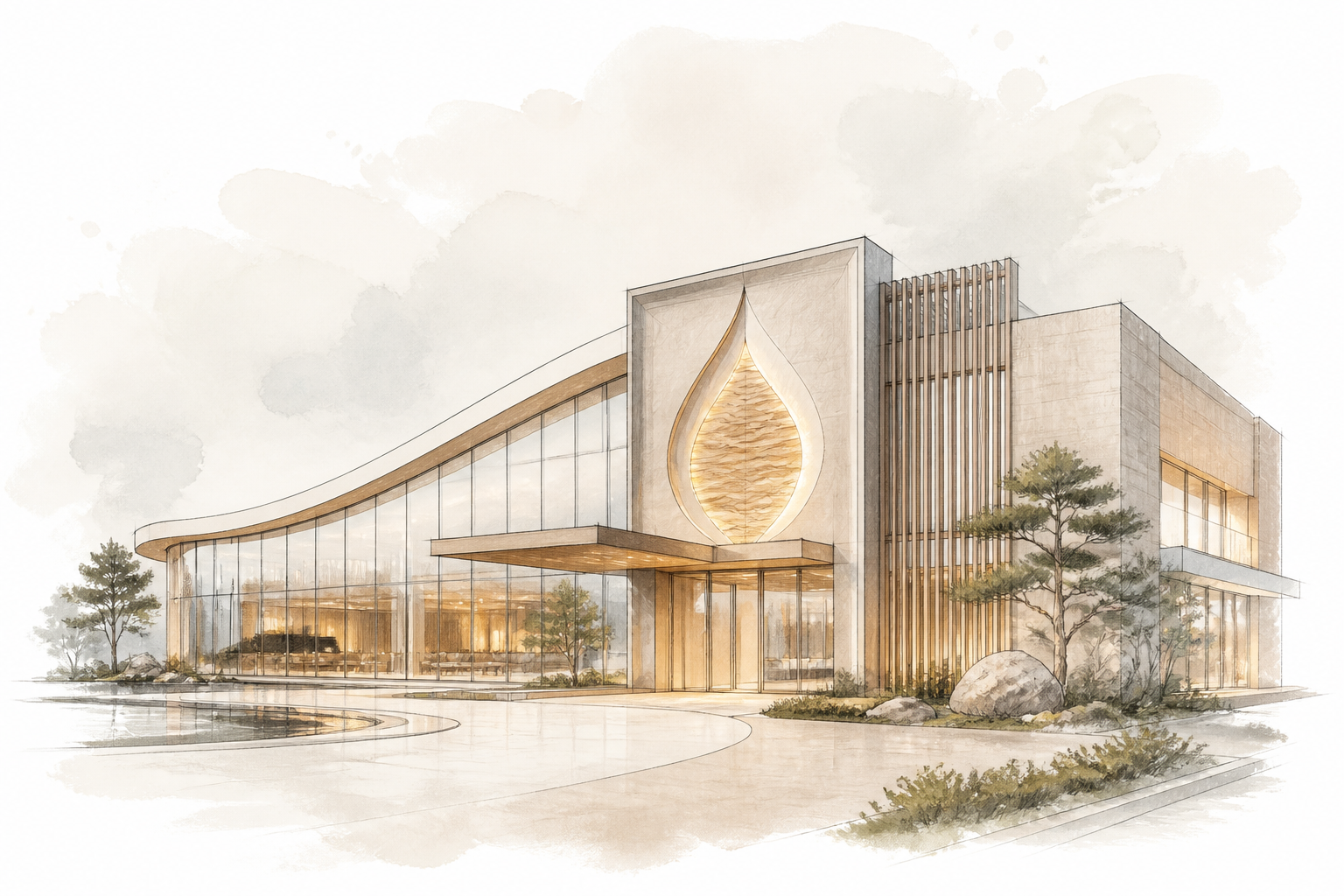
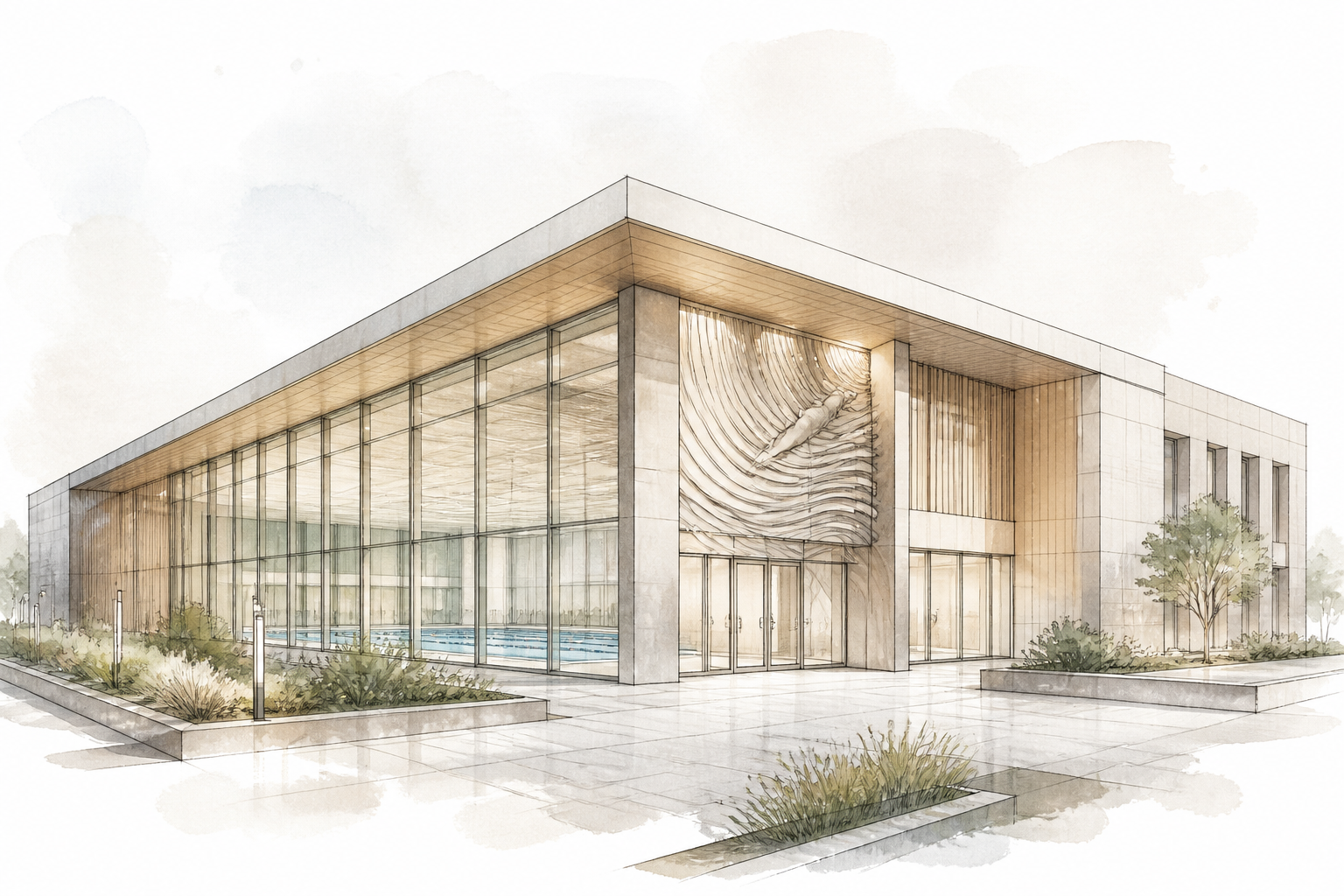
The financial model covers a full-scale thermal SPA and aqua center — a leisure and wellness complex built around a natural thermal water source. It integrates the entire infrastructure chain: from well extraction and water treatment to distribution across multiple thermal zones (indoor and outdoor pools, hydrotherapy circuits, sauna landscape, and spa treatment cabins) and subsequent disposal or reinjection. The model is designed for greenfield projects as well as expansion of existing resorts.
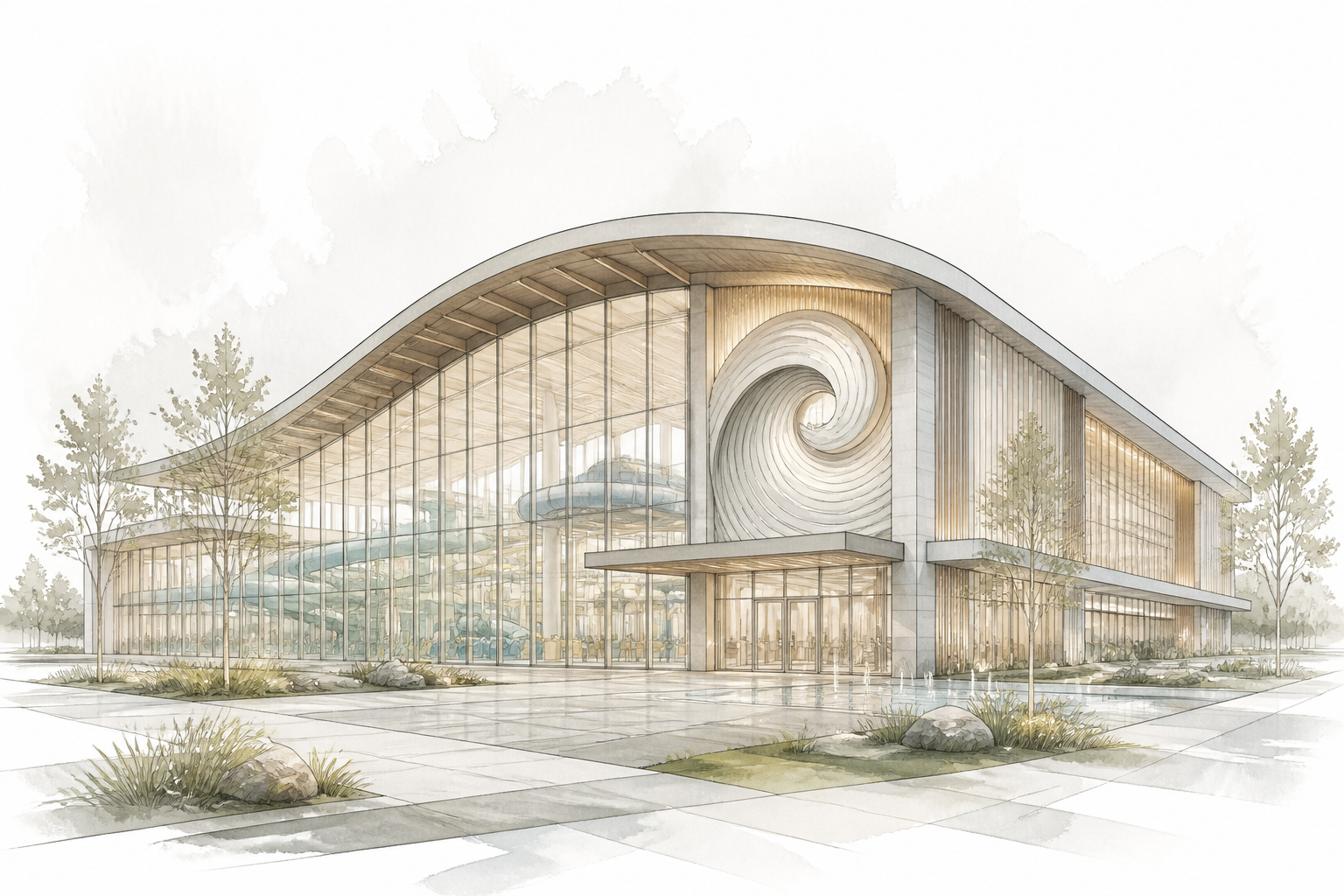
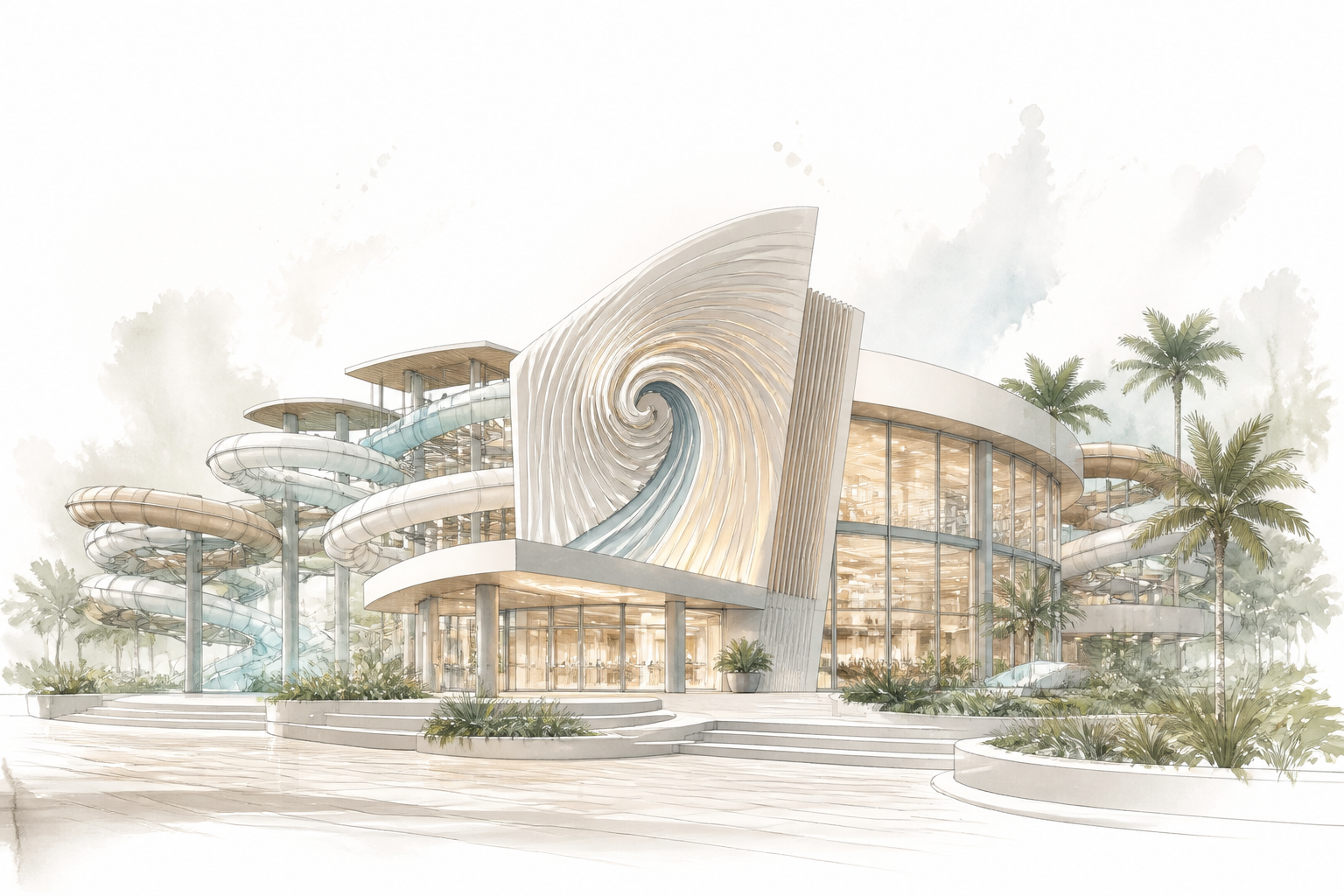
Visitors flow through a multi-zone facility, each zone with distinct throughput capacity, operating hours, and seasonal demand patterns. The model distinguishes between recreational aqua park elements (slides, wave pools, lazy rivers) and wellness-oriented thermal areas (mineral pools, steam baths, tepidariums). Separate F&B outlets, retail, and paid wellness services create an ecosystem of ancillaries that drive secondary spend per guest.
Thermal water is modeled as a key production resource with its own balance: extraction limits, mineral composition requirements, heating/cooling needs, circulation and refreshment rates. The model simulates the cost of water treatment chemicals, energy for maintaining target pool temperatures by season, and compliance with sanitary norms for public bathing. It also accounts for the fixed capacity of the well or source and the implications for peak-hour visitor caps.
Revenue is constructed from a detailed guest funnel: market reach → website visits → ticket sales by type (day pass, half-day, season pass, family, group) with dynamic seasonal pricing and midweek/weekend differentials. The model also captures B2B streams — corporate events, school groups, tourist agency commissions — and the yield from spa treatments, private thermal suites, and special rituals, all with individual utilization parameters.
Operational modeling reflects the industry reality: heavy energy consumption for water heating and indoor climate control, high water and chemical consumption, substantial labor for lifeguards, spa therapists, and maintenance, and intensive wear-and-tear on water attraction equipment. The model incorporates these with cost drivers linked to visitor volume and pool surface area, allowing the user to stress-test profitability under different attendance scenarios and energy price assumptions.
Modeling specifics
- Thermal water mass balance and well capacity constraint — ensures peak visitor flow does not exceed the sustainable extraction rate or water treatment plant throughput.
- Dynamic pool temperature modeling — links ambient air temperature, water inflow temperature, and heating energy demand by month, reflecting different setpoints for thermal pools vs. recreational pools.
- Multi-zone throughput and queueing — capacity of each pool, sauna, slide is defined with maximum occupancy limits and turnover times, preventing overstatement of daily attendance.
- Seasonal demand curves with day-of-week and holiday multipliers — built-in profiles for thermal spas (high winter demand for thermal, summer for aqua) with separate coefficients for B2C and B2B channels.
- Energy and utility cost allocation — separately models electricity for pumps, lights, HVAC, and gas/biomass for water heating, with tariffs that can vary by season and time-of-day.
- Staggered investment phasing with soft opening — construction period divided into civil works, technical equipment, and launch; partial opening during ramp-up modeled with gradually increasing load.
- Water chemistry and filtration OPEX — reagent consumption calculated based on pool volume, bather load, and recirculation cycles; filter backwash water losses modeled.
- Staff rostering tied to peak/off-peak hours — lifeguard and cleaning shifts generated by pool operating hours and expected visitor counts, with labor laws compliance for overtime.
- F&B and retail as secondary profit centers — separate sub-models with capture rates, average spend, and COGS, not just a fixed percentage of ticket revenue.
What's included in the base version
- Executive dashboard with key KPIs and project summary
- Assumption book covering all operational and financial drivers
- CAPEX breakdown by facility zone and equipment type (pools, saunas, MEP, FF&E, soft costs)
- Debt and equity financing module with flexible drawdowns and repayment schedules
- Multi-zone visitor flow model with capacity constraints and seasonal profiles
- Thermal water balance module (extraction, treatment, heating, disposal)
- Revenue forecast by revenue stream (tickets, treatments, F&B, retail, events)
- Operating cost model with direct and indirect costs linked to volume and fixed overhead
- Staff plan with departmental breakdown and automatic shift-based scheduling
- Monthly three-statement model (P&L, Cash Flow, Balance Sheet) over 15+ years
- Investment metrics: NPV, IRR, MOIC, payback period, yield on cost
- Scenario manager for base, optimistic, and stressed cases
Common modeling mistakes
- Ignoring thermal water extraction limits and assuming unlimited visitor capacity — overstates peak-day revenue by 20–30% and underinvests in water treatment.
- Using flat annual attendance without seasonality and day-of-week patterns — overstates annual occupancy by 15–25% and masks cash flow troughs.
- Underestimating pool heating energy costs by applying residential heat loss coefficients — can understate operating expenses by 30–50% for outdoor pools in cold climates.
- Modeling secondary spend (spa, F&B) as a fixed percentage of ticket revenue without capture-rate dynamics — inflates ancillary revenue by a factor of 1.5×–2×.
- Omitting filter backwash and water renewal requirements — water consumption underestimated by 20–35% and chemical cost by 15–25%.